Water Damage Restoration Arlington, WA
Emergency water damage restoration in Arlington, WA, day and night. The restoration team extracts standing water, dries floors, walls and crawl spaces to the IICRC S500 standard and documents each step for your insurance claim.
(888) 509-1696Water spreading? Call for extractionZIP 98223, from Old Town and Smokey Point to Gleneagle and Island Crossing, plus Marysville, Lake Stevens and Stanwood.
 Arlington, WA
What to do while the water is still moving
- 1
Close the main shutoff
In most homes here it sits in the garage, in the crawl space where the pipe enters, or in the meter box by the street.
- 2
Cut power to wet rooms
Switch off breakers for wet rooms only if you can reach the panel while standing on a dry floor.
- 3
Lift what can still be saved
Move rugs, electronics, photos and papers off wet floors and up to a dry room.
- 4
Photograph before cleanup
Shoot the source, the high-water mark on the walls and every wet room before anything is moved.
- 5
Stay out of floodwater
River water and sewage are Category 3. Keep children and pets away and call 24/7 dispatch.
Water Damage Restoration Services in Arlington, WA
Fourteen kinds of water loss, each handled the way its source demands. Pick the one that matches what is happening in your house, crawl space or business.

Water Extraction and Removal
Standing water pulled from carpet, pad and subfloor with truck-mounted and portable extraction.
Water Extraction and Removal details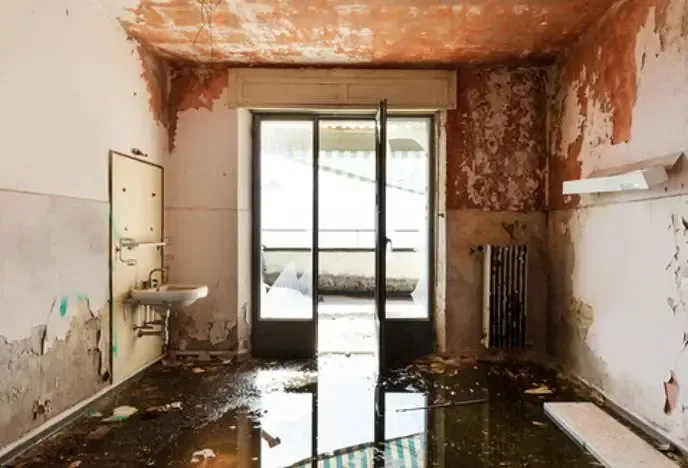
River and Flood Water Cleanup
Stillaguamish and surface floodwater treated as Category 3, with soaked materials removed.
River and Flood Water Cleanup details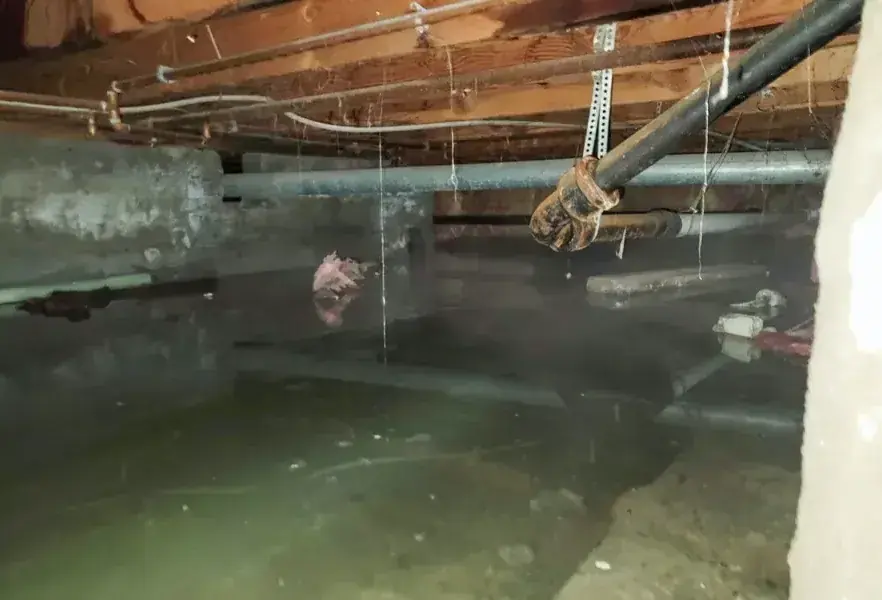
Crawl Space Water Cleanup
Water under the floor pumped out, wet insulation and vapor barrier pulled, joists dried.
Crawl Space Water Cleanup details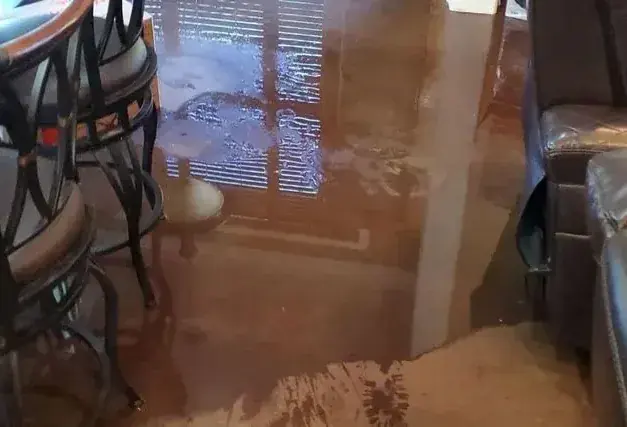
Sump Pump Failure Cleanup
Pits that overflow when a windstorm cuts power or a float sticks, pumped out and dried.
Sump Pump Failure Cleanup details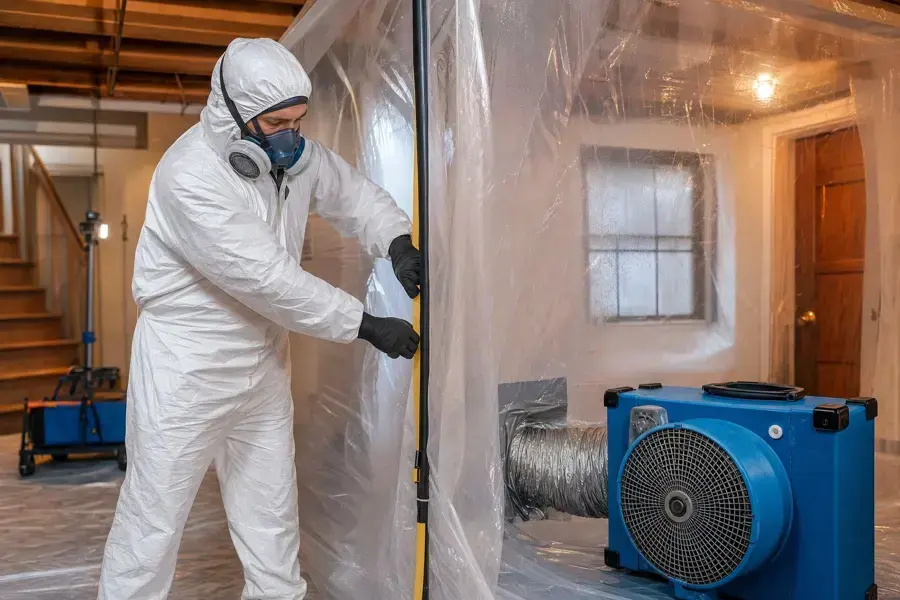
Sewage Backup Cleanup
Sewer and septic backups contained, cleared and disinfected under Category 3 rules.
Sewage Backup Cleanup details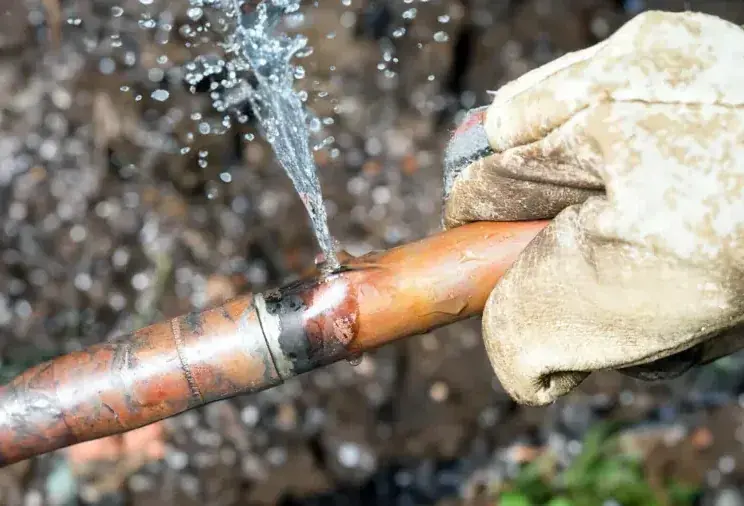
Burst Pipe Water Damage
Split supply pipes found, wet walls mapped and dried before the water spreads further.
Burst Pipe Water Damage details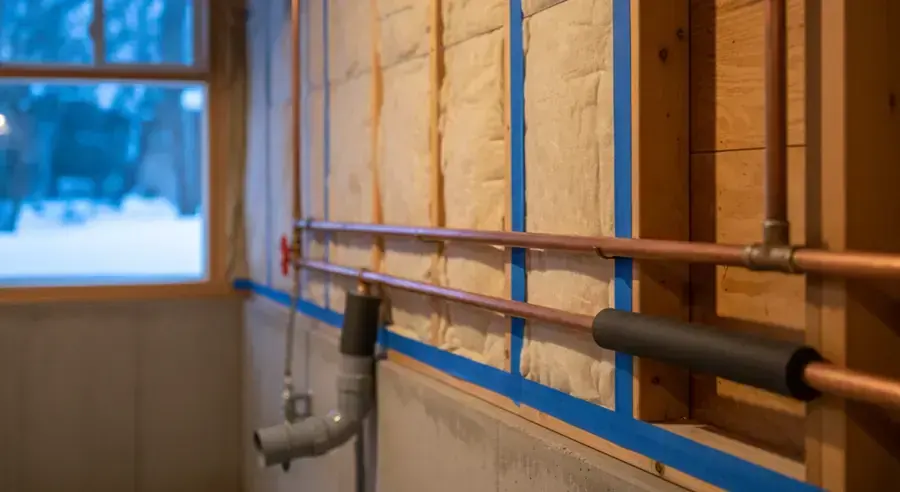
Frozen Pipe Cleanup
Arctic cold snap breaks in crawl spaces and outside walls traced and dried as they thaw.
Frozen Pipe Cleanup details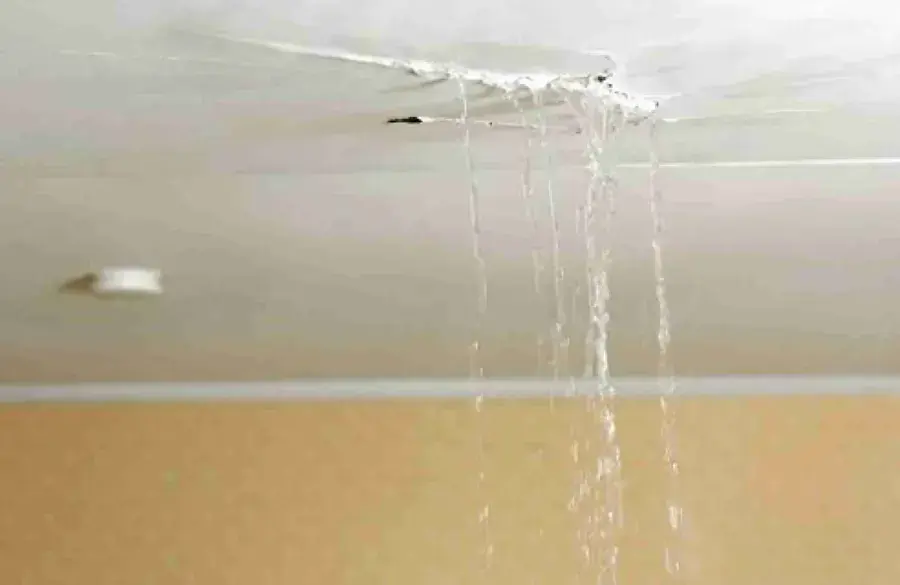
Ceiling Leak Water Damage
Leaks from upstairs baths and hoses traced, sagging drywall opened safely, joist bays dried.
Ceiling Leak Water Damage details
Roof Leak Water Damage
Wet attic insulation and roof decking handled, ceilings and walls dried after a long rain.
Roof Leak Water Damage details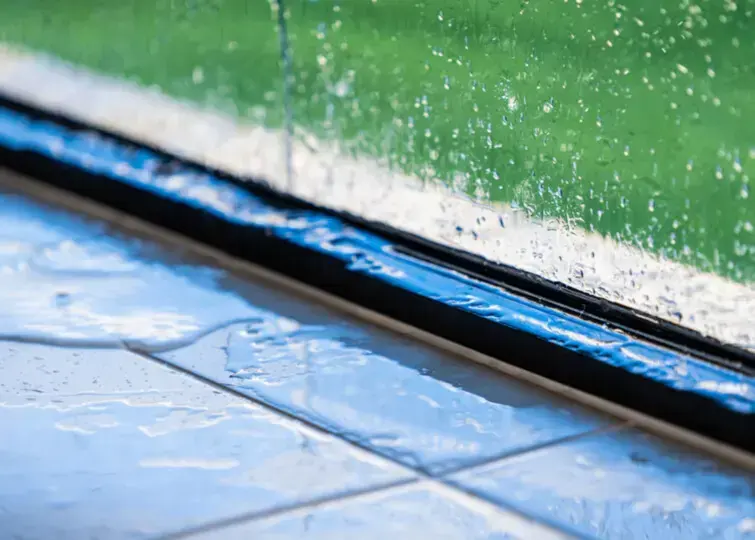
Storm and Wind-Driven Rain Damage
Rain pushed through windows, siding and vents in a windstorm, dried out wall by wall.
Storm and Wind-Driven Rain Damage details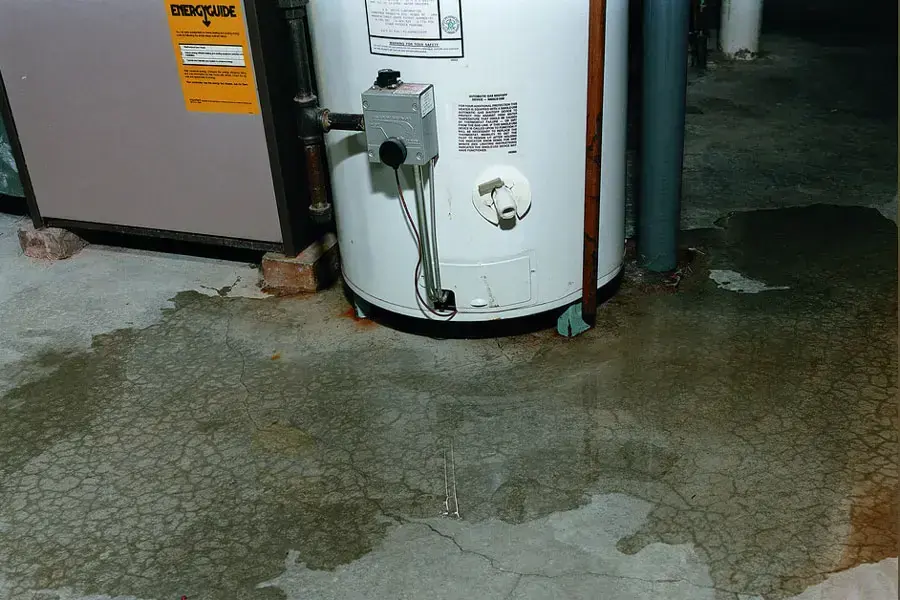
Water Heater Leak Cleanup
Garage and closet tank failures extracted, with the drywall and framing around them dried.
Water Heater Leak Cleanup details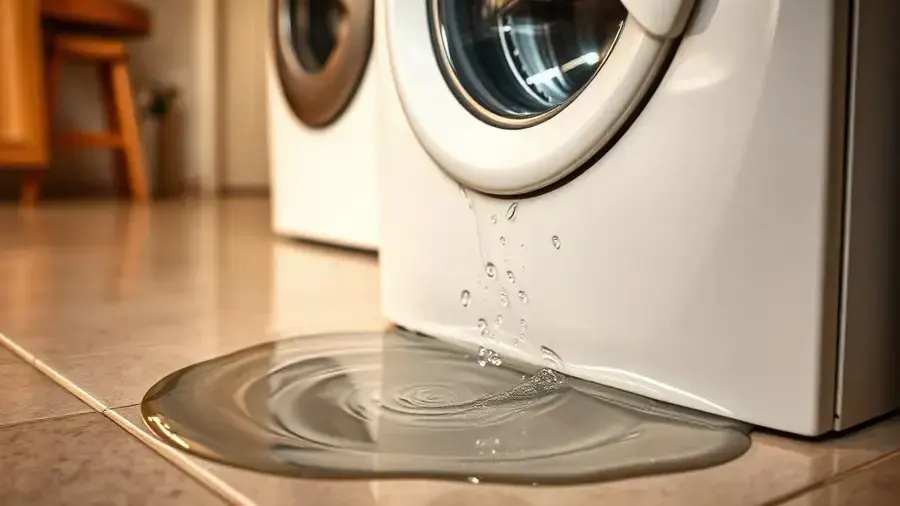
Appliance Leak Water Damage
Washer, dishwasher and ice maker leaks dried under cabinets, flooring and the room below.
Appliance Leak Water Damage details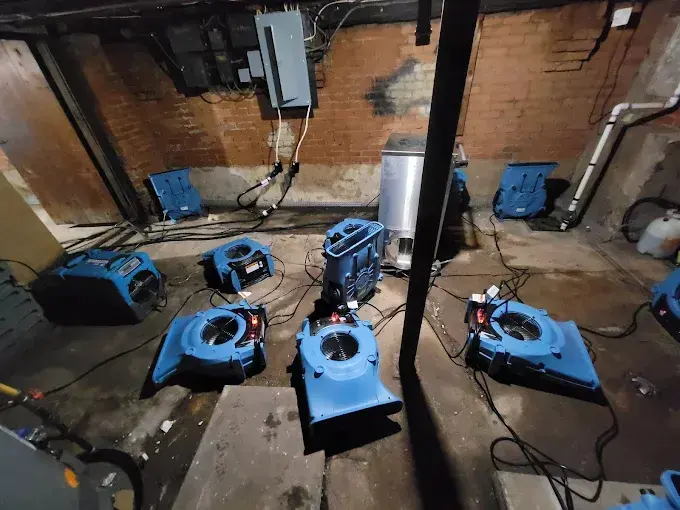
Structural Drying and Dehumidification
Framing, subfloor and sheathing dried until readings match a dry reference material.
Structural Drying and Dehumidification details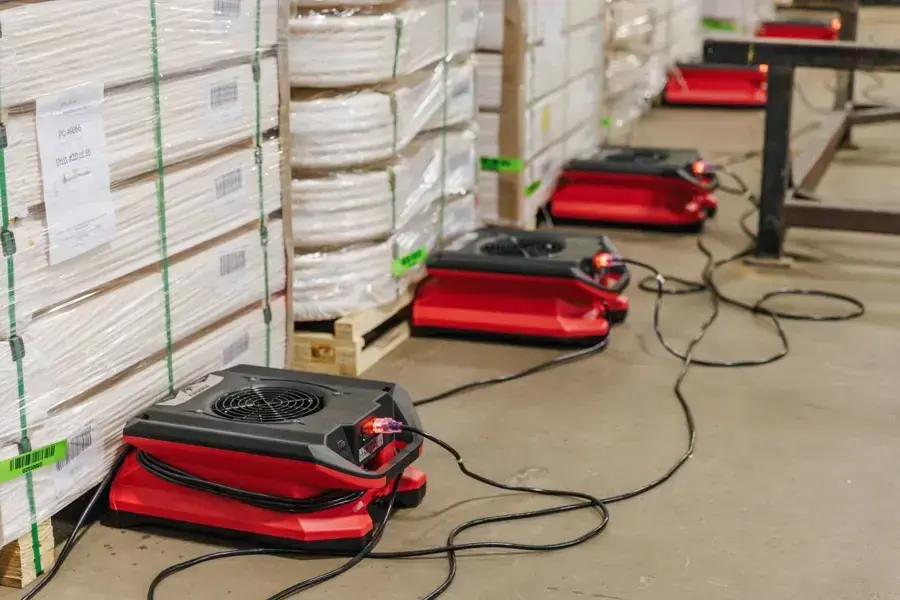
Commercial Water Damage
Shops, offices and industrial space in Smokey Point and Old Town dried in planned phases.
Commercial Water Damage details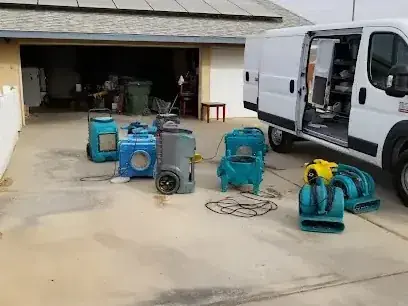
How a water loss is handled from the first call
Water inside a home here usually takes one of three paths: down through the subfloor into the crawl space, out across a slab garage, or in from outside when the river or a storm pushes it through. The restoration team follows the water to where it stopped before planning the dry-out.
Rapid local response
Dispatch runs 24/7, and the response team treats active water as urgent whether it starts at noon or after midnight.
IICRC S500 drying standard
Structural drying, not surface drying, with air movers and LGR dehumidifiers matched to each room's class of loss.
Claim-ready documentation
The drying team keeps moisture maps, daily psychrometric logs and timestamped photos taken before anything is cut out.
Local water know-how
River floods, wet crawl spaces, cold-snap pipe breaks and wind-driven rain are the losses crews see most here.
Water damage dried to the IICRC S500 standard
A real dry-out and a cosmetic one look alike on day two. Moisture readings tell them apart, so the drying team leaves equipment running until the numbers say dry.
- 1
Moisture mapping first
The tech who does the walkthrough maps wet drywall, framing, subfloor and crawl space with pinless meters and thermal imaging before anything moves.
- 2
Extraction
The extraction crew pulls standing water with truck-mounted or portable units, including water pooled under the house.
- 3
Drying set to the class of loss
The drying team places air movers and LGR dehumidifiers by each room's evaporation load, with desiccants for hardwood and soaked joists.
- 4
Readings until dry
The team logs readings daily until every material sits within 2 to 4 points of a dry reference.
What does water damage restoration cost in Arlington, WA?
Most water damage restoration jobs here run $1,200 to $30,000: a contained clean-water leak sits at the low end, and river floodwater through a whole floor and crawl space sits at the high end.
Small clean-water leak
- One or two rooms
- Extraction and drying in place
- Daily moisture readings
Crawl space or several rooms
- Water through the subfloor
- Wet insulation and vapor barrier out
- Joists and subfloor dried
River flood or sewage
- Category 3 water
- Porous materials removed
- Containment and antimicrobial
These are typical ranges, not quotes. Try the water damage cost calculator or the drying time estimator for a closer look at your own loss.
All water damage categories covered in Arlington, WA
Category 1: clean water
Supply pipes, water heaters and faucets. Caught early, most materials dry in place.
Burst pipe water damageCategory 2: gray water
Washer and dishwasher discharge and toilet overflow without waste. Pad comes out and surfaces get an antimicrobial.
Appliance leak water damageCategory 3: black water
Sewage, septic backups and river floodwater. Porous materials it touched are removed, not dried.
Sewage backup cleanupDocumentation for your insurance claim
A water claim is decided on the file, not on the first phone call. This is what a complete claim file carries.
- The moisture map from the first visit, showing every wet material
- Daily psychrometric logs and moisture readings until the drying goal is met
- Timestamped photos taken before any drywall, flooring or insulation comes out
- The water category and class of loss for every affected room
- An itemized Xactimate-style scope of the mitigation work
Check your own policy
Sudden and accidental discharge, such as a split supply pipe, is handled differently from river flooding, surface water and sewer backup. Standard homeowners policies usually exclude flood, which needs a separate policy through the National Flood Insurance Program or a private carrier.
Coverage depends on your policy, so check with your own insurer. The restoration team documents the loss either way, so the file is ready whatever the policy says.
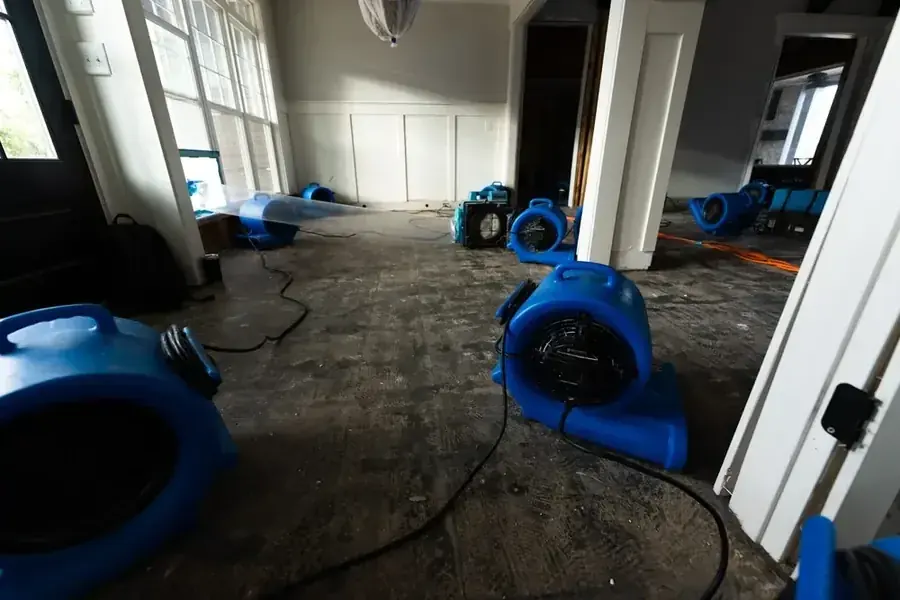
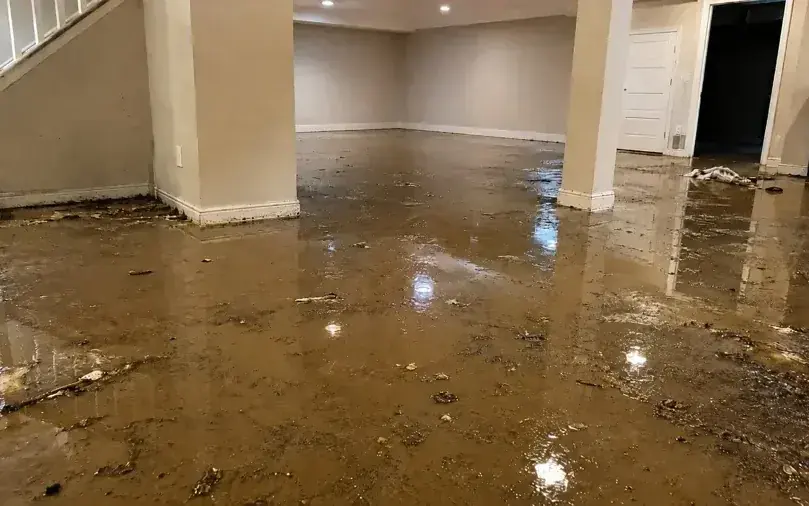
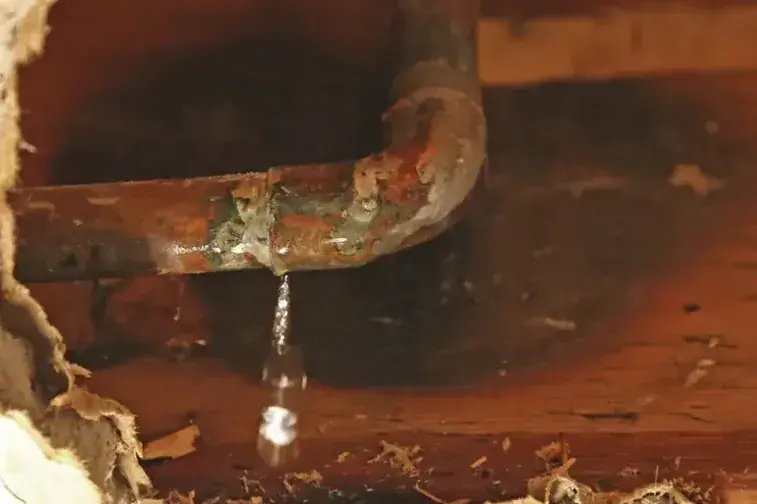
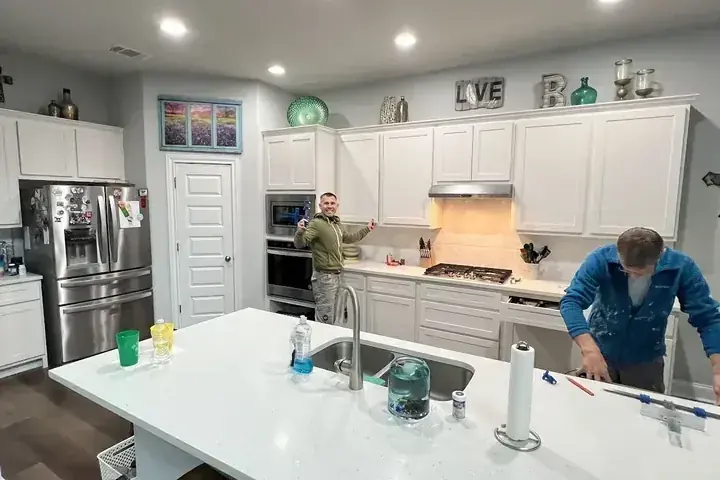
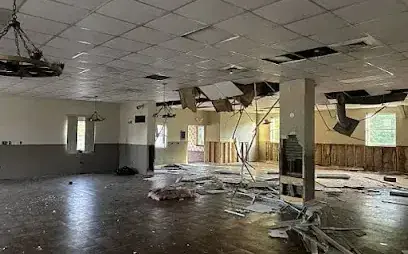
What a water damage dry-out looks like in Arlington

Neighborhoods and nearby towns covered
Neighborhoods
ZIP code
Nearby towns
Water damage in Arlington, WA: what drives it
Two forks of the Stillaguamish River meet at the edge of town, and most homes on the plateau above went up after 1990 over vented crawl spaces. River flooding on the valley floor and slow water under the floor on the plateau shape most losses here.

Flood record. On December 5, 2023, the Stillaguamish crested at 21.34 feet at the gauge near town, an all-time high that flooded Twin Rivers Park and closed SR 530 for hours. The atmospheric-river storms of December 2025 pushed the river to major flood stage again.
- River flooding. Snohomish County emergency managers say the Stillaguamish valley floods every 3 to 5 years, and floodwater is Category 3 from the start.
- Water under the floor. Vented crawl spaces collect rain from downspouts and saturated soil through the long wet season, wetting insulation and joists.
- Arctic cold snaps. Outflow winds from the north drop nights well below freezing in some winters and split bare pipes in crawl spaces and outside walls.
- Wind-driven rain. Winter windstorms push rain past window flashing, siding and roof vents, so water shows up inside walls far from any plumbing.
- Older supply pipe. Homes plumbed from the late 1980s to the mid 1990s may still carry gray polybutylene supply pipe, which tends to fail at the fittings.
- Rural septic. Homes on septic east of town toward Jim Creek can back up when a saturated drain field stops taking water.
Water damage questions in Arlington, WA
How fast can someone get to a water loss here?
The response team dispatches 24/7 and treats active water as urgent. Travel time depends on the weather and on where in the valley the home sits, so mention a flooded road or a closed SR 530 when you call.
What should I do before the crew gets here?
Close the main shutoff, switch off power to wet rooms only if the panel is dry, move valuables off wet floors and photograph everything before cleanup.
Is river floodwater treated differently from a burst pipe?
Yes. Floodwater from the Stillaguamish or a creek is Category 3 because it carries soil, sewage and chemicals. The restoration team removes porous materials it touched, while clean supply water can often be dried in place. See river and flood water cleanup.
How long does drying usually take?
A contained Class 1 loss usually dries in three to five days. Soaked joists, hardwood and concrete take longer, and the damp outdoor air from fall to spring rules out drying with open windows.
What is the IICRC S500?
The industry standard for water damage restoration. It sets how each water category and class of loss is handled and defines the drying goal: materials within 2 to 4 points of a dry reference.
Does water in the crawl space need professional drying?
Standing water under a house raises humidity in the floor system, soaks insulation and wets the joists. The extraction crew pumps it out, pulls wet insulation and dries the framing. See crawl space water cleanup.
Will homeowners insurance cover it?
Sudden and accidental water, like a split pipe, is often covered. River flooding needs a separate flood policy, and sewer backup often needs an endorsement. Coverage depends on your policy, so check with your own insurer.
When does drywall have to come out?
Drywall comes out when it soaked up Category 3 water, when it holds water inside an insulated wall that cannot dry, or when readings stay high after drying. Meters decide, not guesses.
What is the difference between mitigation and repair?
Mitigation stops the damage: extraction, drying and removal of materials that cannot be saved. Repair rebuilds what was removed. Insurers usually look at the two separately.
Why move fast if the water was clean?
Wet wood and drywall can start mold growth within 24 to 48 hours, and clean water turns dirtier as it sits. That is why extraction and drying start right away even on a clean-water loss.
Water in the house right now?
Every hour that water sits, it moves deeper into subfloor, framing and insulation. The restoration team extracts, dries to the IICRC S500 goal and documents each step, 24/7.
(888) 509-1696Get the valley extraction crew movingArlington Water Damage Restoration
Arlington, WA · Snohomish County
(888) 509-1696 · nights and weekends too