Water Damage Restoration in Lynnwood, WA
Standing water, a split pipe or a backed-up drain gets extraction first, then moisture mapping and structural drying matched to what the meters show, in Lynnwood homes, apartments and shops.
(888) 509-1696Get a Lynnwood drying planDispatch runs around the clock. First questions: where the water began, what it touched and whether power to the area is on.
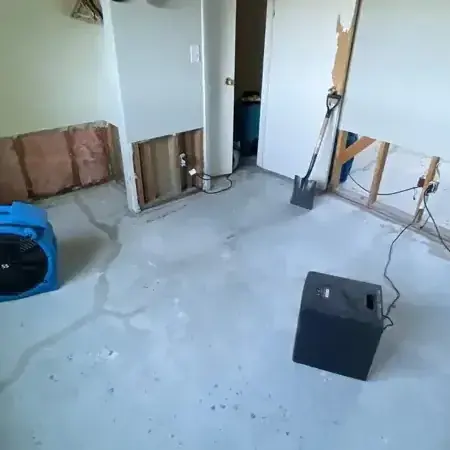 Lynnwood, WA
What to do while the water is still spreading
- 1
Stop the source
Shut the main valve if a pipe is leaking. For a sewage backup, stop running water and flushing.
- 2
Cut the power
Switch off breakers serving wet rooms and stay out of standing water near outlets, cords and appliances.
- 3
Move what is safe
Lift small furniture, rugs and electronics onto dry surfaces. Leave heavy pieces and anything touched by sewage alone.
- 4
Photograph first
Take wide and close photos of the water, the damaged materials and the belongings before anything is moved or thrown out.
- 5
Hold off on demolition
Leave wet carpet and drywall where they are until the crew has read the moisture, since early tear-out can hide the true wet area.
Services for every kind of wet loss
Each service page covers a different way water gets into a building, from a split supply pipe to a creek that spills over a road, with its own price ranges.

Water Extraction and Removal
Pumps and wands pull standing water from floors and carpet pad before it reaches the framing.
Water Extraction and Removal details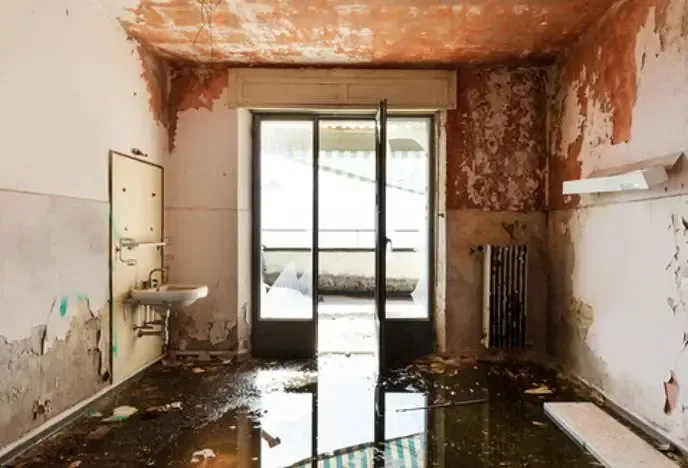
River and Flood Water Cleanup
Creek and storm flooding leaves silt and dirty water behind, so removal and containment come first.
River and Flood Water Cleanup details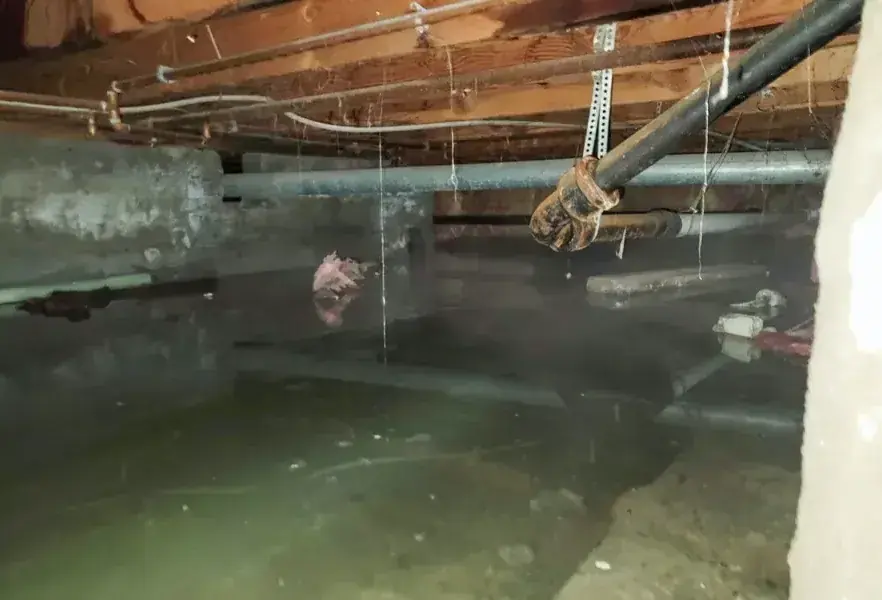
Crawl Space Water Cleanup
Water under the floor is pumped out, wet insulation comes down and the joists are dried.
Crawl Space Water Cleanup details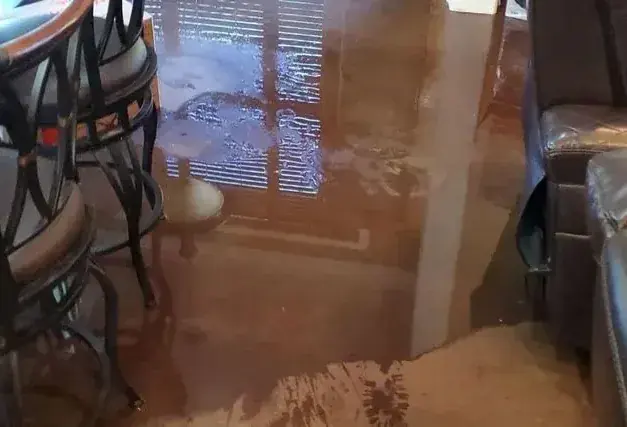
Sump Pump Failure Cleanup
A failed pump leaves a lower level or crawl space underwater, and pump-out comes first.
Sump Pump Failure Cleanup details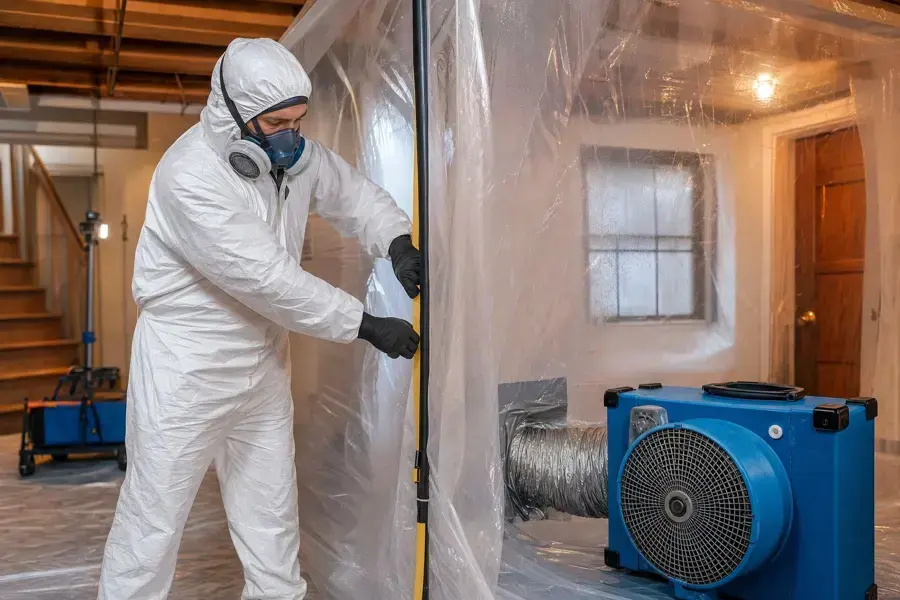
Sewage Backup Cleanup
Backed-up drains need containment, protective gear and disinfection, never a mop and a bucket.
Sewage Backup Cleanup details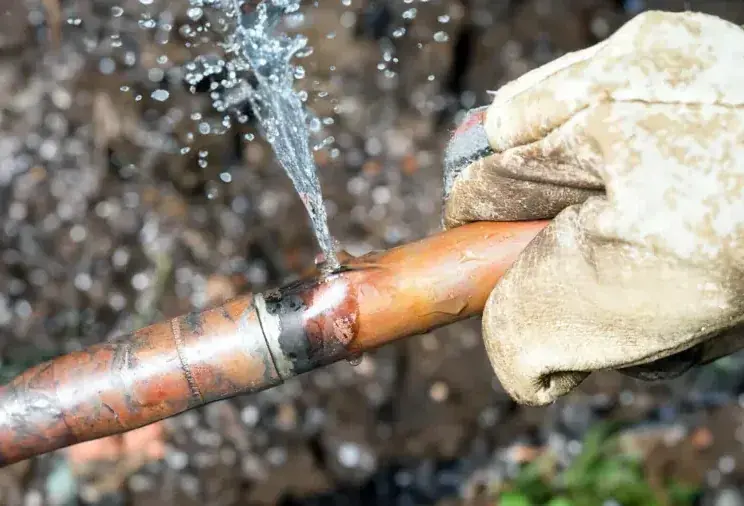
Burst Pipe Water Damage
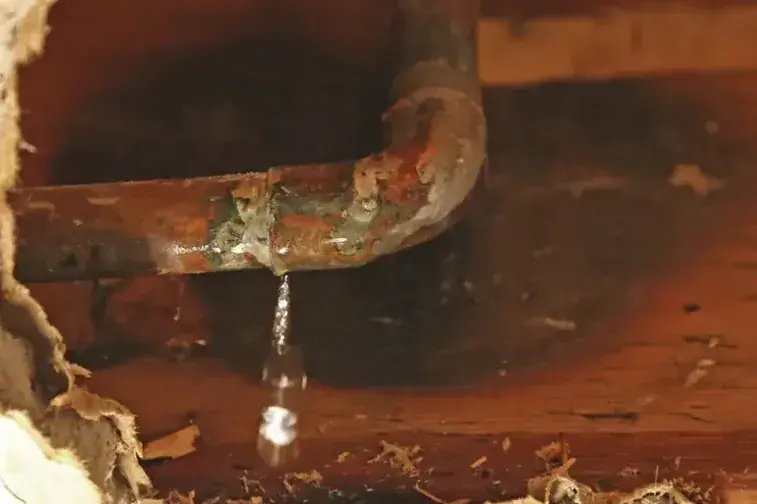
A split supply pipe can soak several rooms, so crews trace the water and open wet walls.
Burst Pipe Water Damage details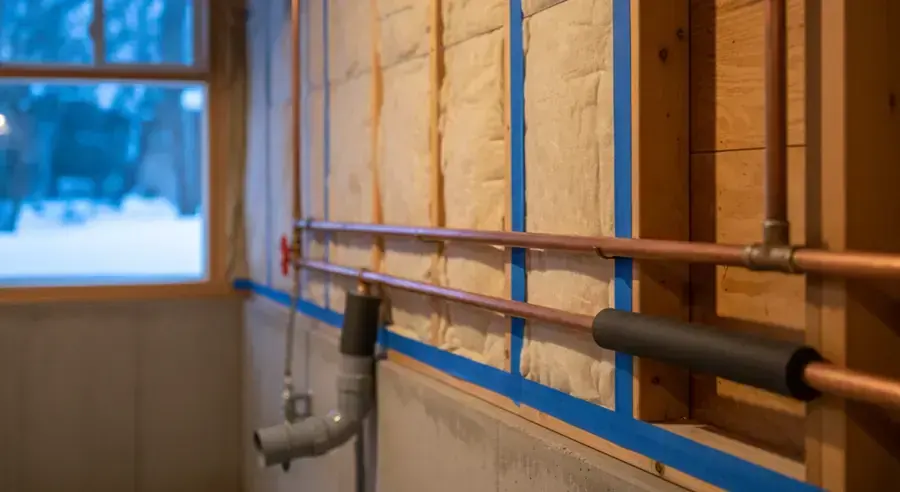
Frozen Pipe Cleanup
Freeze splits show up after the thaw, when water runs through ceilings and walls.
Frozen Pipe Cleanup details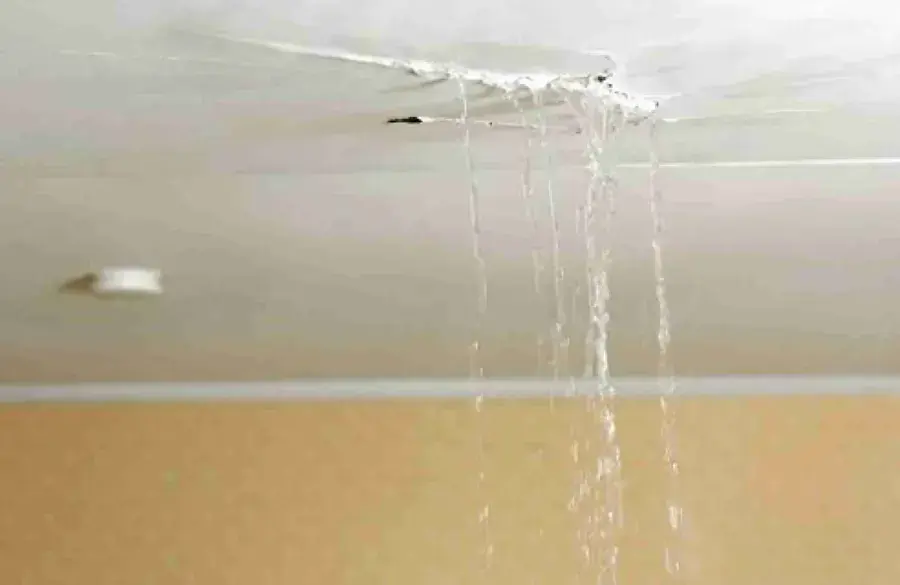
Ceiling Leak Water Damage
Stains and sagging drywall point to water above, so the ceiling is opened and the source traced.
Ceiling Leak Water Damage details
Roof Leak Water Damage
Leaks at shingles and flashing wet the attic first, and soaked insulation holds moisture after rain stops.
Roof Leak Water Damage details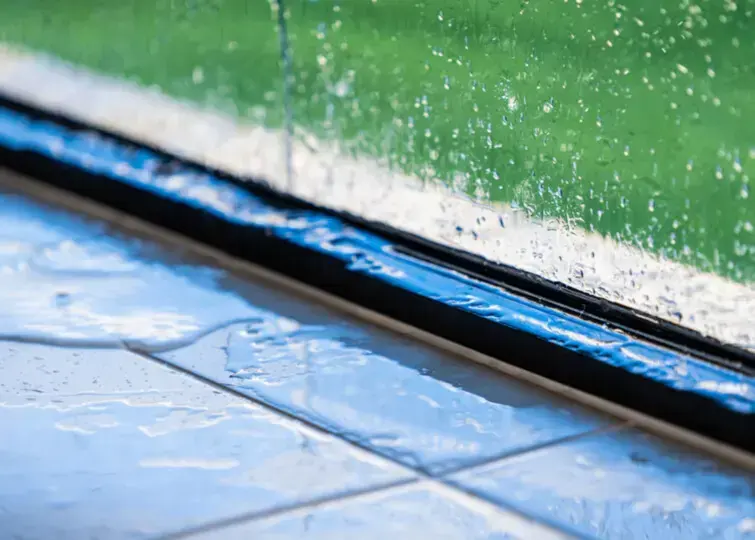
Storm and Wind-Driven Rain Damage
Wind-driven rain pushes water past windows and siding and into wall cavities where it lingers.
Storm and Wind-Driven Rain Damage details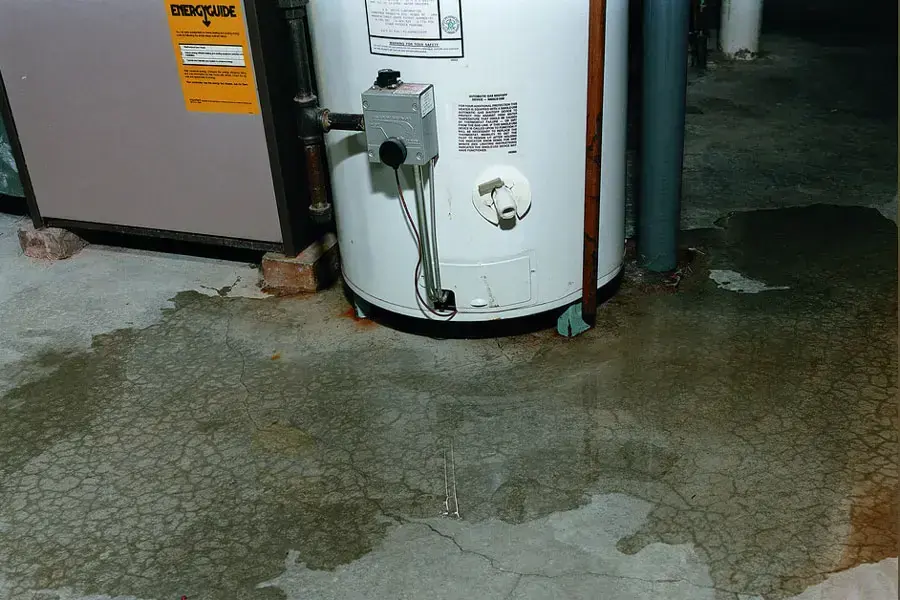
Water Heater Leak Cleanup
A leaking tank floods a garage or closet quickly, then wets the drywall and flooring around it.
Water Heater Leak Cleanup details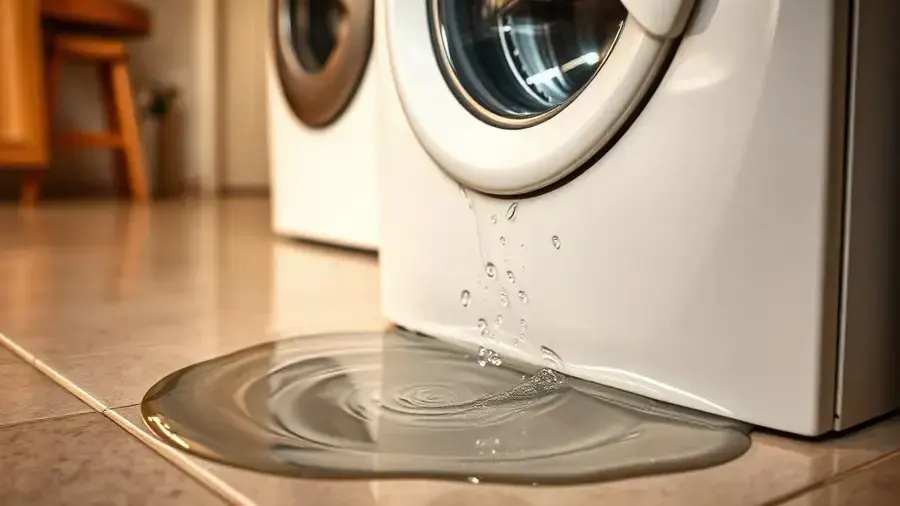
Appliance Leak Water Damage
Washer, dishwasher and refrigerator leaks hide under flooring and cabinets, then spread to nearby rooms.
Appliance Leak Water Damage details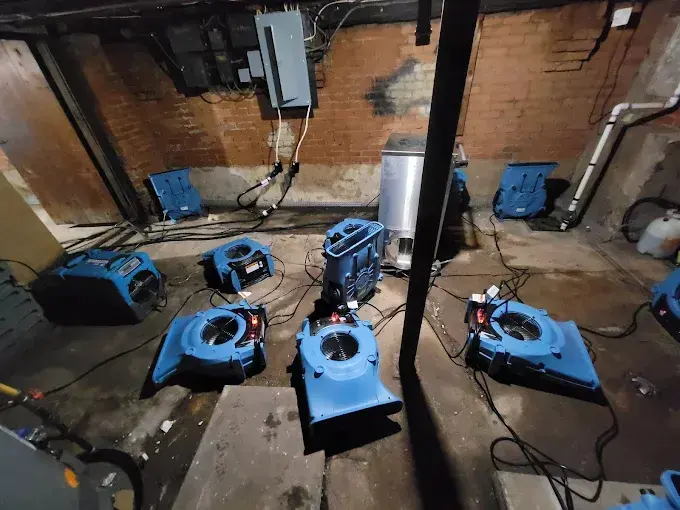
Structural Drying and Dehumidification
Air movers, dehumidifiers and daily readings dry framing until the meters match a dry reference.
Structural Drying and Dehumidification details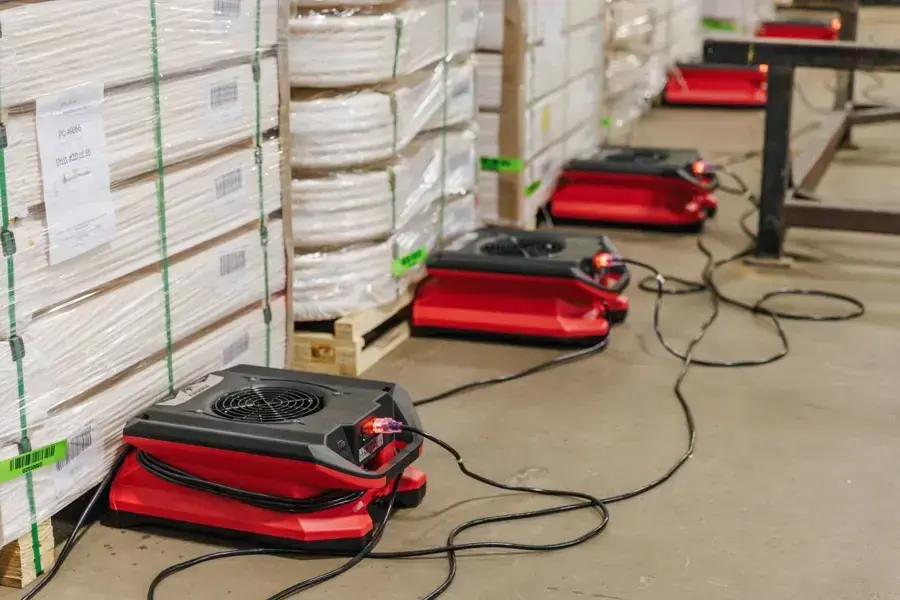
Commercial Water Damage
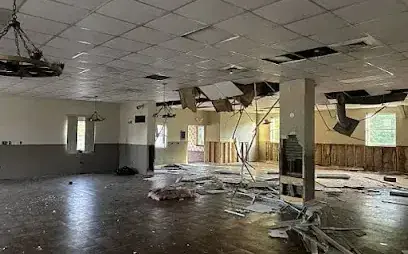
Shops, offices and school buildings get phased drying that keeps people working and protects inventory.
Commercial Water Damage details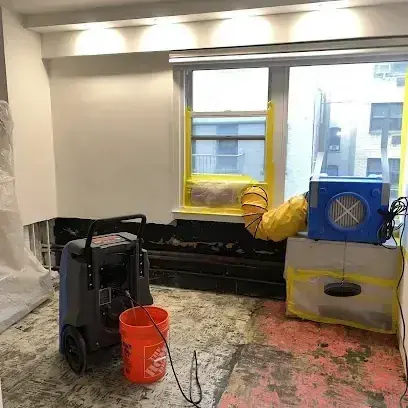
Drying done by the readings, not by guesswork
Water damage here ranges from a failed supply pipe to a creek spilling over a road, and each loss needs its own plan. Crews map the moisture first, dry what can be saved and write down every step. Equipment stays until the readings, not the calendar, say the building is dry.
Rapid local response
Dispatch never closes, so a midnight pipe failure starts the same plan as a mid-morning one.
Drying by the standard
Air movers and dehumidifiers are sized to the class of loss, following IICRC S500 instead of rules of thumb.
Claim-ready documentation
Moisture maps, daily logs and dated photos are saved as work proceeds, so the adjuster sees what happened and why.
Local water know-how
Creek overflow, wet winters, hillside runoff and cold-snap pipe breaks are the usual losses on the plateau and in the valleys.
A drying standard, not a guess
Each job follows IICRC S500, the recognized standard for water damage work, and the readings are written down so owners and adjusters can see the proof.
- 1
Moisture mapping first
Meters and a thermal camera trace the wet area through floors and walls, so the plan covers every damp spot and not only the visible ones.
- 2
Extraction
Truck-mounted and portable pumps remove standing water, then wands pull moisture out of carpet and pad.
- 3
Open what is wet
Baseboards come off and wall bottoms are cut where the meters call for it, so air can reach trapped moisture.
- 4
Readings until dry
Temperature, humidity and moisture are logged daily, and equipment is pulled only when framing and subfloor read dry.
What water damage cleanup tends to cost here
Most jobs land between $1,200 and $30,000. The water category, the number of rooms and how long the water sat decide where a loss falls inside that range. These are ranges, not quotes.
A small clean-water leak
- One or two rooms
- Dried in place
- Readings logged daily
Wet rooms across a floor
- Several rooms affected
- Wet insulation removed
- Flooring pulled where needed
Sewage or floodwater loss
- Category 3 water
- Porous materials removed
- Containment and antimicrobial
A rough number for a specific loss comes from the water damage cost calculator, and the drying time estimator shows how long equipment may need to run.
Three kinds of water, three levels of risk
Category 1: clean water
Supply pipes, tanks and rain through a roof start clean but turn gray if left standing.
Burst pipe water damageCategory 2: gray water
Washer, dishwasher and sump overflow carry contaminants, so porous materials usually come out and surfaces are disinfected.
Appliance leak water damageCategory 3: black water
Sewage and creek floodwater carry bacteria, so containment and removal of soaked materials come first.
Sewage backup cleanupWhat a claim file should hold
Adjusters decide from paperwork, so the file is built while the water is still on the floor and the damage is still visible.
- Dated photos of the water source and every affected room
- Moisture readings with each location marked on a floor sketch
- A list of materials removed and the reason for each
- Daily drying logs with temperature and humidity
- Receipts for emergency repairs, such as a new shut-off valve
Before calling the adjuster
Read the policy for water damage wording. Sudden pipe, tank and appliance failures are treated differently from slow seepage, and creek or river flooding usually needs a separate flood policy.
Report the loss early, keep damaged items until the adjuster has seen them and ask the carrier before approving permanent repairs. Photos and receipts carry more weight than memory once the claim is open.
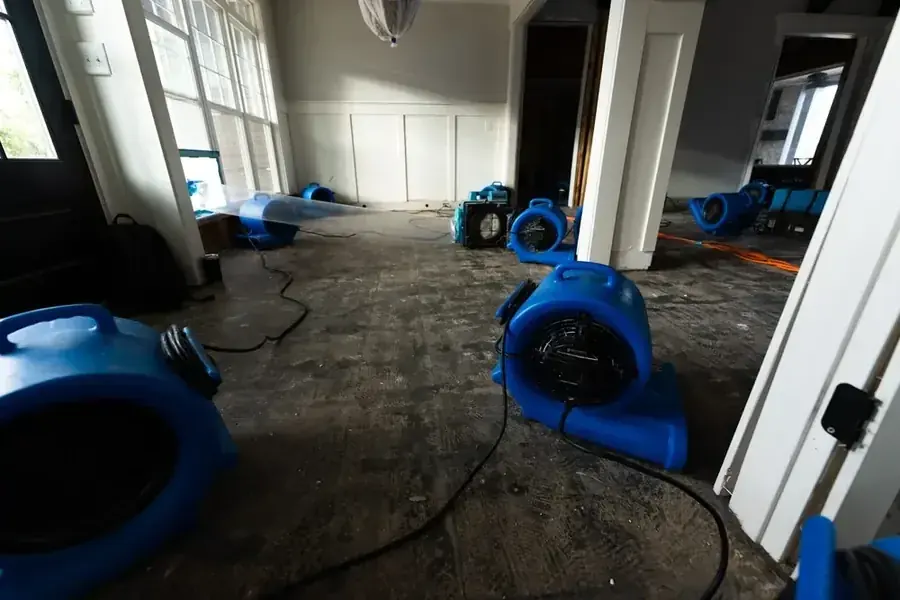
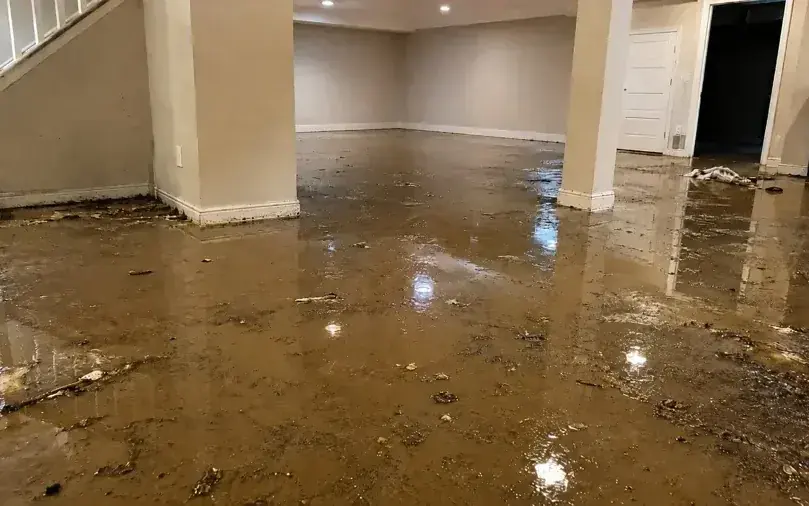
Typical losses and what the cleanup involves

Where crews work in Lynnwood
Neighborhoods
ZIP codes
Nearby towns
Creeks, culverts and winter freezes set the risk
The city sits on a plateau above Puget Sound, with several hills and valleys. Eighteen identified drainage basins carry the rain, most toward Swamp Creek or through Lund's Gulch to the Sound, so heavy storms test many at once.

January 2024. Frozen pipes burst at Meadowdale Elementary School in Lynnwood during the January 13 and 14 freeze, flooding 14 of 22 classrooms. Students worked from a temporary site in Edmonds until they returned on April 9, 2024, nearly four months later.
- Creek overtopping. The city's capital facilities plan says Scriber Creek spills over 189th Street SW and 188th Street SW in a 10-year flood event, and nearby properties can be damaged.
- Culvert trouble. The 190th Street SW culvert contributes to flooding of the roadway and of single-family homes along that street.
- Hard surfaces. Roofs, parking lots and other paved ground send rain into the Swamp Creek system faster than open land would, so creek levels rise sooner.
- A lift station on low ground. Sanitary Sewer Lift Station No. 10 sits inside the 100-year floodplain of Scriber Creek and has flooded several times since it was built in 1993.
- Winter freezes. The January 2024 freeze at Meadowdale Elementary shows how one cold snap can flood a whole building once the thaw starts.
- Slopes and valleys. The city publishes a Geologically Hazardous Areas map showing potential landslide and seismic hazard areas, and hillside runoff deserves a look when water appears.
Common questions about water damage here
How soon should drying start after a leak?
As soon as the water is found. Wet drywall, pad and framing hold moisture, and the longer they stay damp the more material has to be removed instead of dried.
Does homeowners insurance cover water damage?
Sudden pipe, tank and appliance failures are often covered, while slow seepage and creek flooding commonly are not. The policy wording decides, so document the damage and ask the carrier before repairs.
Who is responsible when a sewer drain backs up?
Under city policy, the City of Lynnwood maintains the sewer mains and service laterals, while the owner handles the building side sewer, cleaning the service lateral and keeping an accessible clean out. The sewage backup page covers who pays when roots or build-up cause the blockage.
Can Scriber Creek flooding reach homes?
City planning documents describe Scriber Creek overtopping roads in 10-year flood events and culvert flooding that reaches single-family homes along 190th Street SW. Flooded homes need flood water cleanup before drying can begin.
What happens on the first visit?
Meters and a thermal camera map the wet area, photos are taken and a plan is set for extraction, removal and drying equipment. Nothing is torn out before the readings are on record.
Can frozen pipes cause damage after the thaw?
Often yes. A pipe can split while frozen and only leak once it warms, so water may show up in a ceiling or wall after the cold has passed. See frozen pipe cleanup.
What is the difference between clean, gray and black water?
Clean water comes from supply pipes and rain, gray water carries contaminants from appliances and overflow, and black water means sewage or floodwater with bacteria. The category sets what is removed, what is disinfected and what protective gear the crew wears.
Are rentals and apartments handled differently?
About 46 percent of households in the city rent, so many leaks start in apartments. Tenants should report the leak to the landlord right away and photograph personal belongings, since the landlord's policy and a renter's policy cover different things.
Can a business stay open while it dries?
Often, with phased work. Crews dry one suite or section at a time, seal off wet areas and keep tenants and stock in the dry spaces. See commercial water damage for retail, office and school buildings.
How is a supply pipe leak stopped before the crew arrives?
Tap water here is supplied by the city, and the main shut-off valve at the house stops the flow. Find it first, then switch off power to the wet area.
Standing water does not wait
A crew can begin planning extraction and drying as soon as the details are in. Describe the source, the rooms affected and whether the power is off.
(888) 509-1696Start a Lynnwood dry-out planArlington Water Damage Restoration
Arlington, WA · Snohomish County
(888) 509-1696 · nights and weekends too