Water Damage Restoration in Mukilteo, WA
Burst pipes in Old Town, runoff after a Puget Sound storm or a leaking water heater in Harbour Pointe: crews extract the water, map the damage and dry every wet surface to a documented finish.
(888) 509-1696Ask a Snohomish County drying crewEach job keeps one crew lead from first meter reading to final dry check, with photos and logs saved for adjusters.
 Mukilteo, WA
Steps to take while the water is still spreading
- 1
Find the source
Close the fixture valve or the main shutoff. A main break outside the home belongs to the water and wastewater district, which runs a 24-hour emergency response.
- 2
Kill the power
Switch off breakers serving wet rooms, and stay out of standing water near outlets, cords or a wet panel.
- 3
Lift what wicks
Raise rugs, boxes and furniture legs off wet floors so stains and swelling stay small.
- 4
Photograph first
Take wide and close photos of the water, the source and damaged items before anything is moved.
- 5
Call before cleanup
Tell the crew what the water looks like and where it came from, so they can say whether it is clean, gray or black before mopping starts.
Fourteen ways crews respond when water gets in
Every job starts with finding where the water came from, then removes it, opens what is wet and dries it with equipment sized to the room.

Water Extraction and Removal
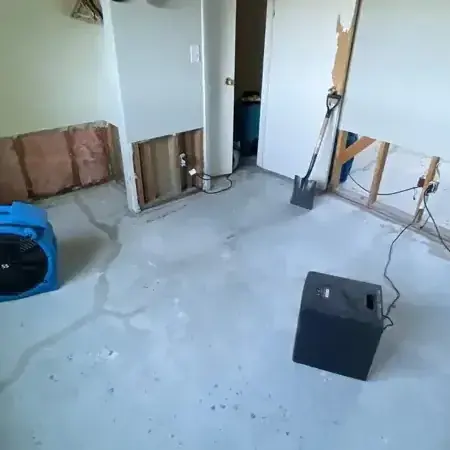
Pumps and extractors pull standing water from floors, carpet and subfloors before it soaks into walls.
Water Extraction and Removal details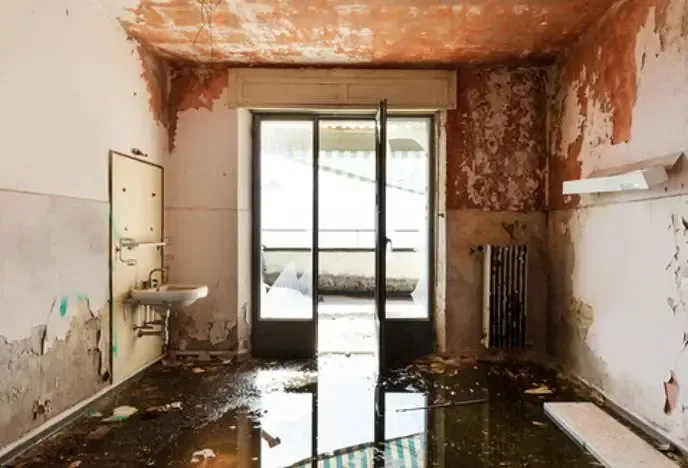
River and Flood Water Cleanup
Storm runoff and rising ground water are pumped out, then affected rooms are cut, cleaned and dried.
River and Flood Water Cleanup details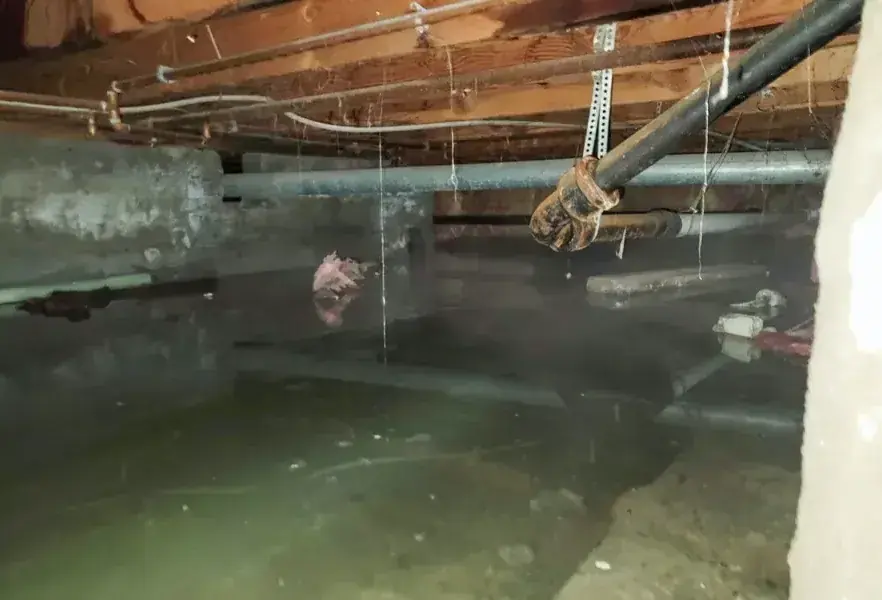
Crawl Space Water Cleanup
Wet insulation comes out, pooled water is pumped and joists are dried below the floor.
Crawl Space Water Cleanup details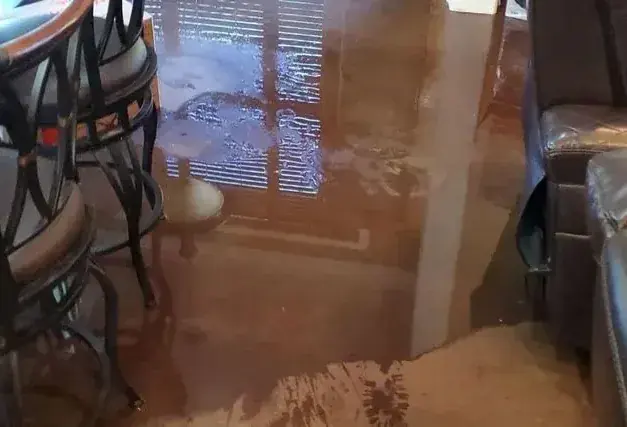
Sump Pump Failure Cleanup
A failed pump leaves a lower level wet, so the water is removed and the space dried.
Sump Pump Failure Cleanup details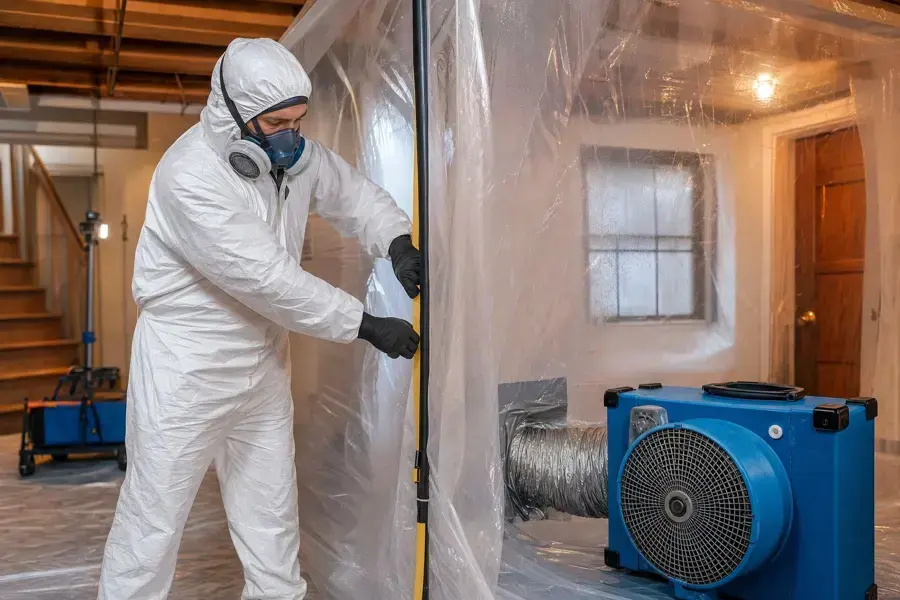
Sewage Backup Cleanup
Contaminated water is contained, removed and disinfected, with porous materials discarded.
Sewage Backup Cleanup details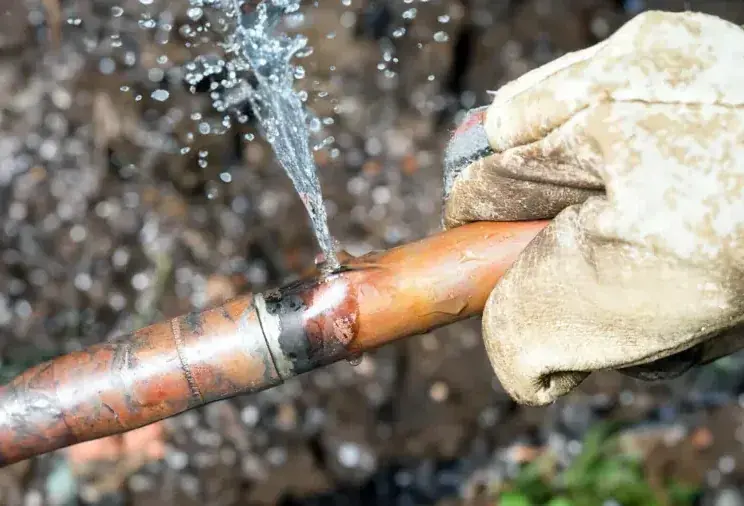
Burst Pipe Water Damage
Opened walls, pumped floors and steady drying after a split supply pipe floods a room.
Burst Pipe Water Damage details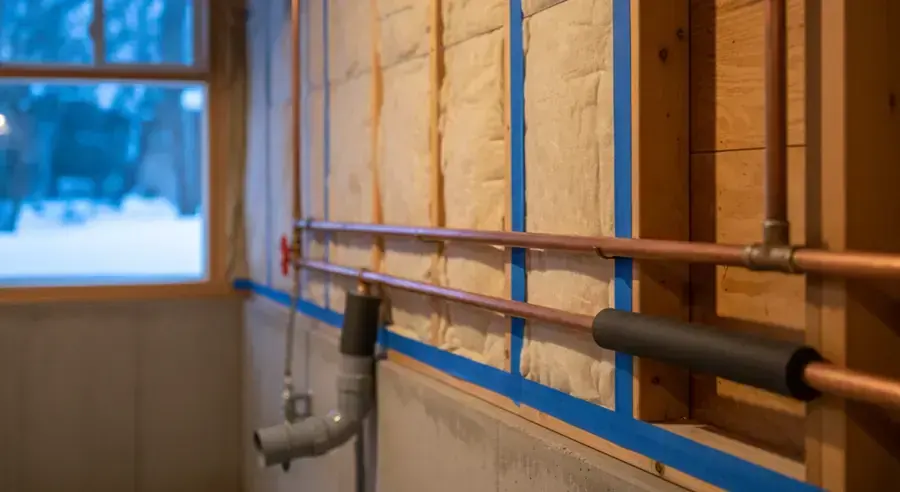
Frozen Pipe Cleanup
Thawed pipes that split behind walls or under floors get the same careful drying.
Frozen Pipe Cleanup details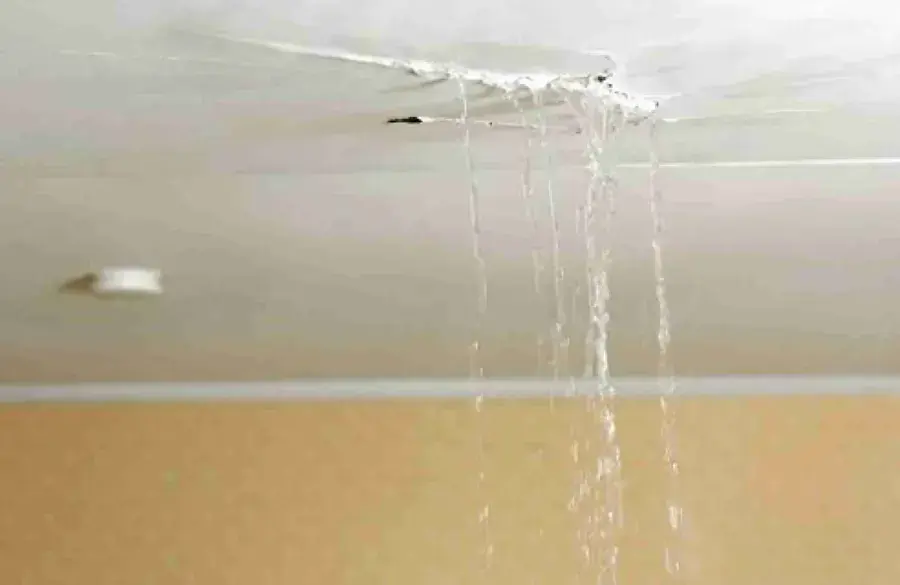
Ceiling Leak Water Damage
Sagging, stained or dripping ceilings are opened, dried and checked for water above.
Ceiling Leak Water Damage details
Roof Leak Water Damage
Rain that gets past shingles is tracked through the attic to the ceilings and walls below.
Roof Leak Water Damage details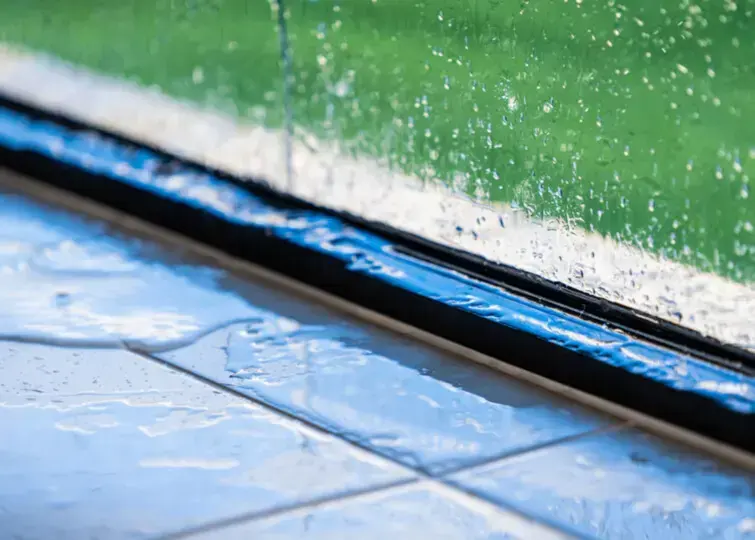
Storm and Wind-Driven Rain Damage
Wind-driven rain through windows, siding and rooflines is removed and the cavities dried.
Storm and Wind-Driven Rain Damage details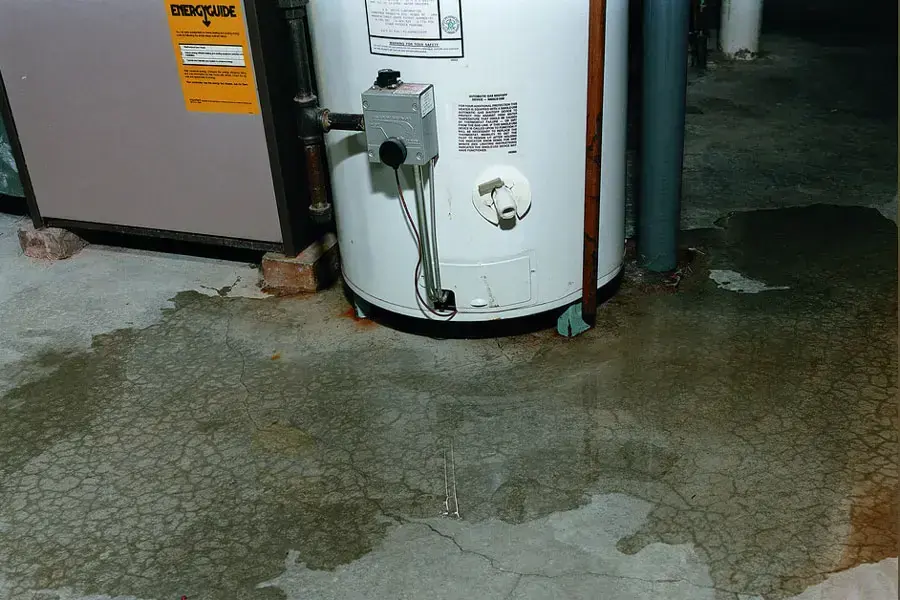
Water Heater Leak Cleanup
A leaking tank floods garages, closets and hallways, so the floor and wall bottoms get dried.
Water Heater Leak Cleanup details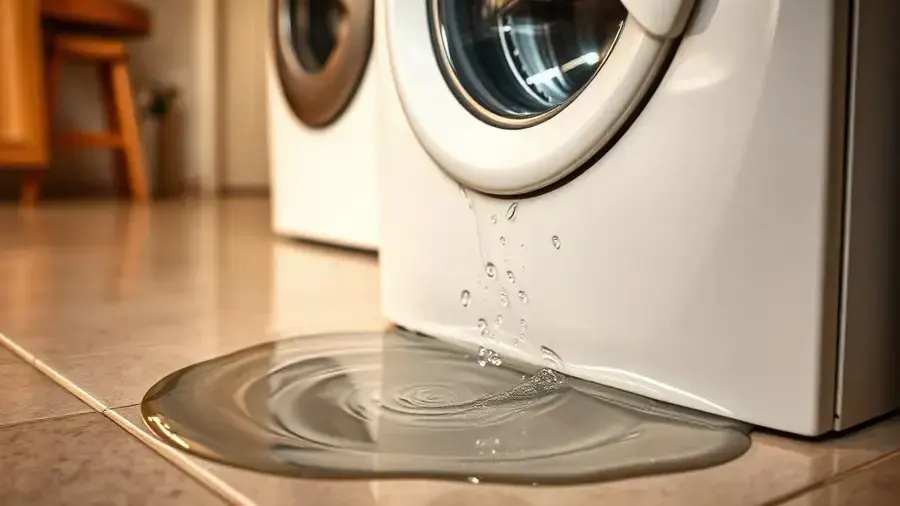
Appliance Leak Water Damage
Washers, dishwashers and refrigerator supply hoses leak under floors, and crews dry what is hidden.
Appliance Leak Water Damage details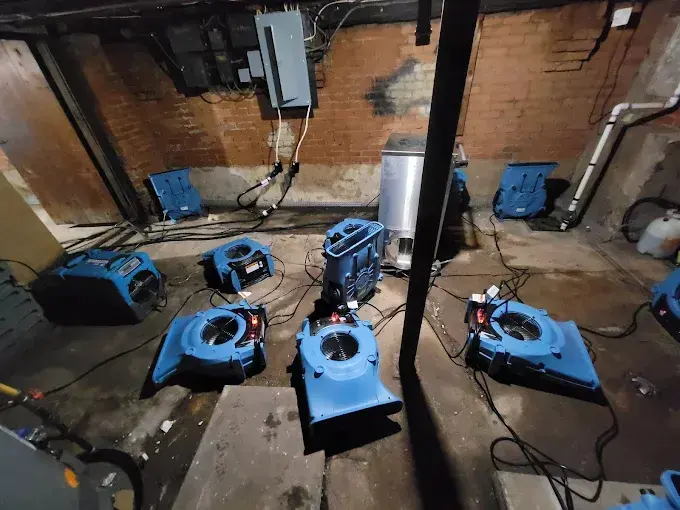
Structural Drying and Dehumidification
Dehumidifiers, air movers and daily readings dry framing and floors to a measured finish.
Structural Drying and Dehumidification details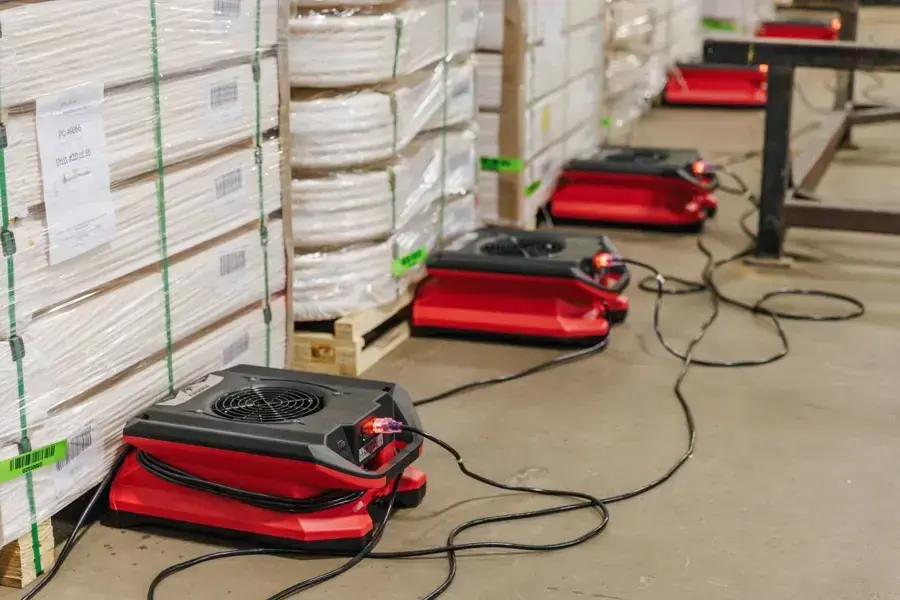
Commercial Water Damage
Shops, offices and shared buildings get phased drying plans that limit downtime for tenants.
Commercial Water Damage details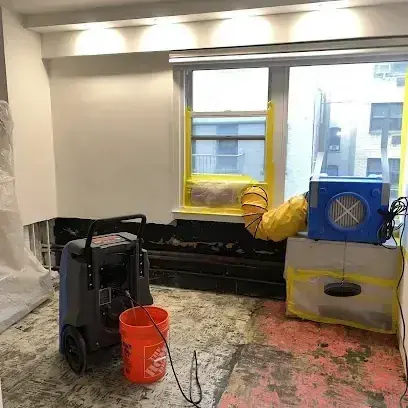
Drying crews that understand wet ground and steep slopes
Water can arrive from a failed pipe, a storm drain that backs up or ground water that rises after a long wet spell. Each source needs a different response, so crews identify it first, record it with photos and readings, and keep that paperwork ready for the adjuster.
Rapid local response
Crews work from this region, so each visit is planned around the water source, the rooms affected and the gear needed.
Meter-based drying
Moisture meters, thermal imaging and daily psychrometric logs decide when equipment comes off the job, not a calendar or a guess.
Claim-ready documentation
Photos, moisture maps and equipment logs are organized by room so an adjuster can follow the scope without chasing details.
Local water know-how
Crews account for wet-season rain, steep slopes and storm drains that fill, and for the permits some repairs need.
How crews measure when a structure is dry
Drying follows the IICRC S500 method. Crews set a dry reference from unaffected materials, track every wet surface with meters and keep the equipment running until the readings match.
- 1
Moisture mapping first
Meters and a thermal camera trace the water through floors, walls and ceilings so nothing wet is left out of the plan.
- 2
Extraction
Pumps and wands pull bulk water first, because every gallon left behind adds drying time later.
- 3
Controlled demolition
Only wet materials that cannot be saved are cut out, such as soaked pad, insulation or drywall below the wet mark.
- 4
Readings until dry
Air movers and LGR dehumidifiers run while daily readings are logged, and the equipment leaves only when each material reaches its dry goal.
What water damage cleanup usually costs in this area
Most jobs land between $1,200 and $30,000, depending on how much water came in, how long it sat and whether it was clean or contaminated. A written scope comes before any work starts.
Clean water caught early
- Pumped and dried in place
- Carpet pad often saved
- Daily readings kept
A whole floor wet
- Wet insulation removed
- Drywall cut at the base
- Several rooms dried
Contaminated or long standing
- Category 3 water
- Porous materials discarded
- Containment and treatment
Use the water damage cost calculator and the drying time estimator to test a rough scenario before the first visit. Final scope is set by meter readings.
Three kinds of water, three levels of care
Category 1: clean
Supply pipes, tanks and hoses release clean water that dries well when it is caught quickly.
Burst pipe responseCategory 2: gray
Washing machine or dishwasher discharge carries bacteria, so carpet pad and soaked drywall usually go.
Appliance leak cleanupCategory 3: black
Sewage and floodwater are treated as contaminated, with containment, removal of porous materials and disinfecting.
Sewage backup cleanupWhat adjusters usually want to see
Claim files move faster when the cause, the affected rooms and the drying progress are all recorded in one place.
- The date and cause of the loss, written in plain language
- Wide and close photos taken before anything is moved or removed
- Moisture readings for each room, wall and floor material tested
- Equipment counts and placement, plus daily drying logs with dates
- An itemized list of removed materials and the reason for each
If you file the claim yourself
Policyholders can send the photos and logs directly to the carrier, along with the written scope. Keep every receipt for lodging, storage and emergency repairs, and ask the adjuster which documents are still missing.
Read the policy for water backup and sewer coverage before filing, because sewage and ground water losses are often treated differently from a sudden burst pipe, and the wording matters.
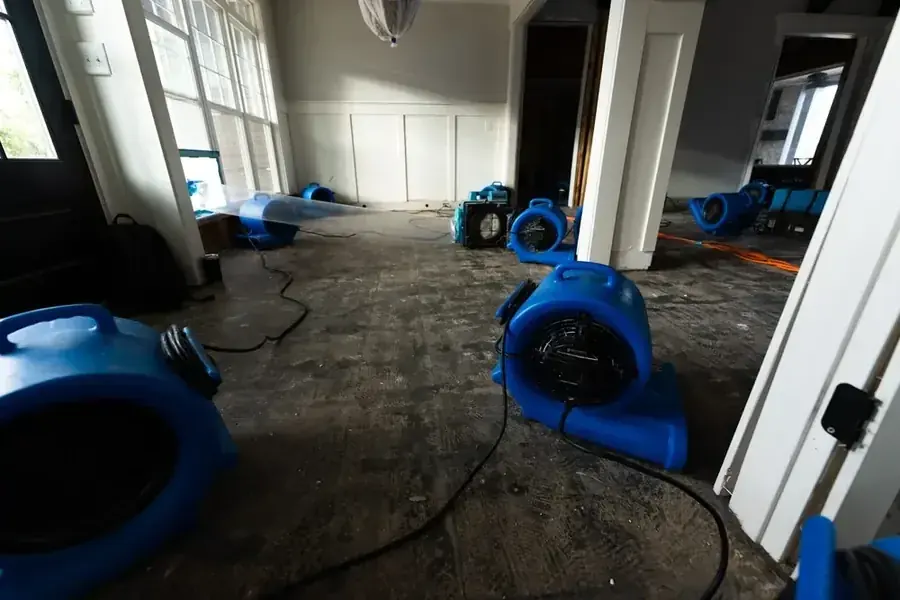
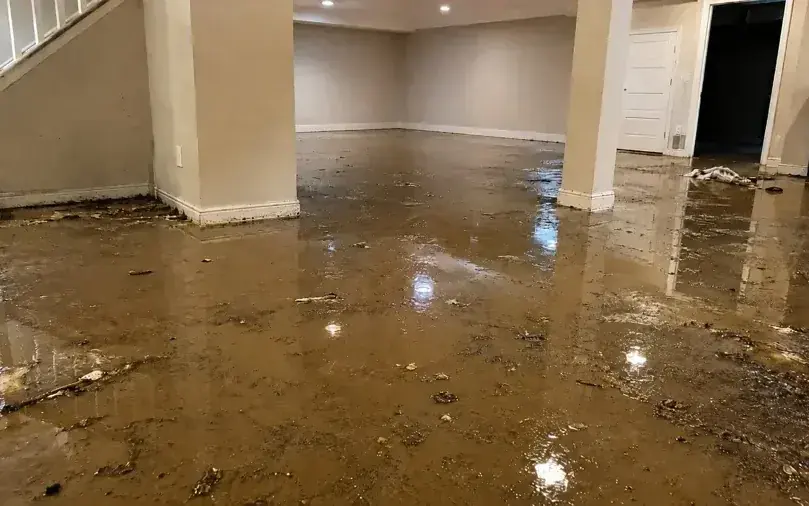
What typical water damage jobs look like
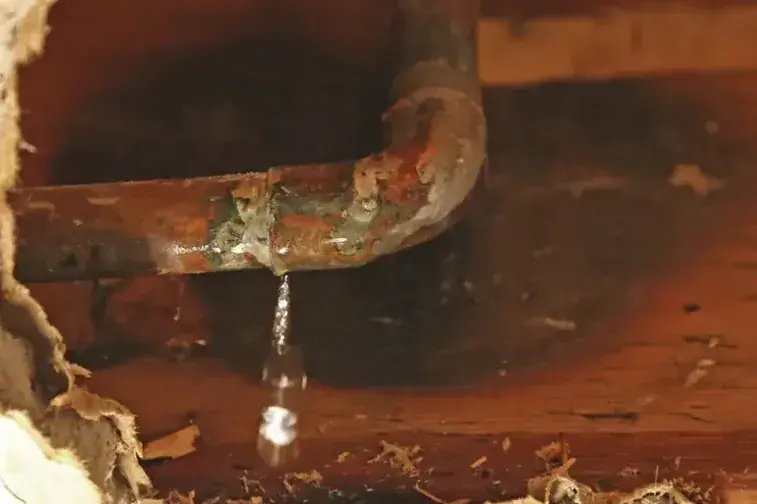

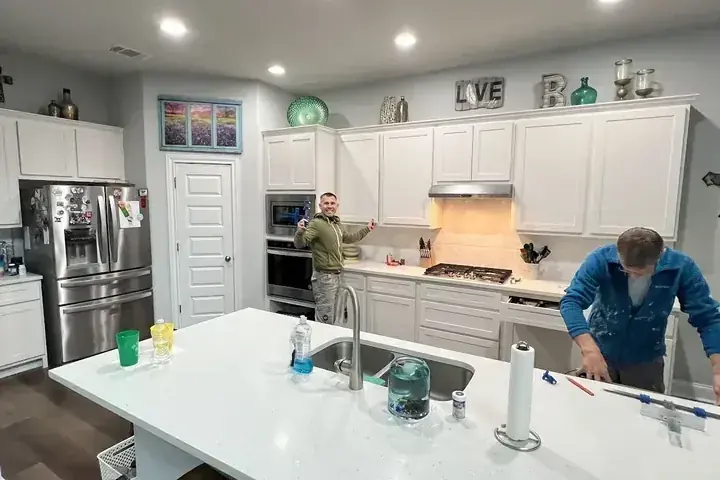
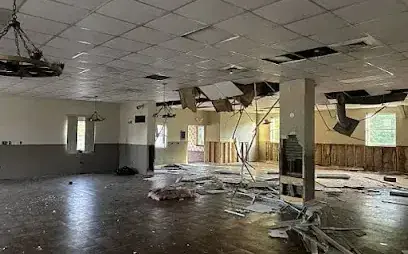
Where crews work across town
Neighborhoods
ZIP code
Nearby towns
Rain, slopes and tides that put water in homes
The city borders Possession Sound on the west and Port Gardner Bay on the north, with steep slopes, named gulches and a stormwater system that accepts rain only. Heavy wet-season rain tests every one of them, and the first sign is usually a damp floor or lower wall.

December 2012. Up to 8 inches of rain fell in about 30 hours, and two big mudslides hit the area. The second blocked access to about 45 homes, and no injuries were reported. It remains the clearest local reminder of how fast heavy rain turns a slope into a problem.
- Bluff soil. A USGS study of the coastal bluffs near the city found clay-rich glacial deposits with low permeability, and wet-season rain is the main trigger for slope movement.
- Stormwater strain. The city drainage system accepts rain only and has over 4,500 catch basins, yet high tides and atmospheric rivers strained it in November 2025.
- Gulches and ravines. Japanese Gulch, Big Gulch and the Picnic Point Ravine carry runoff, and a 2014 conference abstract tied high peak stream flows and ravine instability to development.
- Rising ground water. In December 2025 ground water levels spiked near the city, and state geologists patrolled the Interstate 5 corridor to check landslide risk.
- Cold snaps. Winters are marine moderated, yet the record cold snap of January 2024 burst pipes and flooded homes and businesses across the Puget Sound area.
- Mapped flood zones. The city's 2016 hazard mitigation annex says it was first flood mapped in 1976, and FEMA issued a final determination on updated county maps in December 2019.
Water damage questions from local homeowners
What does water damage restoration cost here?
Small clean-water jobs often run $1,200 to $4,000, a wet floor costs more, and contaminated or long standing water can reach $30,000. Readings and the materials removed set the final scope.
What should happen first when a pipe bursts?
Close the fixture or main valve, switch off power to wet areas and photograph the damage. Then call a crew before any cleanup starts, so wet materials stay undisturbed.
Does homeowners insurance cover water damage?
A sudden burst pipe or failed water heater is commonly covered, while seepage, flood and sewer backup often need separate coverage. The policy wording and the adjuster decide each case.
How long does structural drying take?
It depends on the materials, the water category and the equipment, so crews log readings every day and remove equipment only when each material reaches its dry goal.
Is a sewage backup dangerous?
Yes. Sewage carries bacteria, so crews contain the room, remove porous materials and disinfect what remains. Keep people and pets out until the work is done. See sewage backup cleanup.
Who deals with a water main break outside?
The water and wastewater district serving the address runs a 24-hour emergency response and may interrupt service without notice to isolate a main break. Crews dry the water that reaches the property.
Does a new water heater need a permit?
Yes, a plumbing permit is needed to install or replace a water heater in the city. Crews dry the leak damage, and the plumber arranges the permit for the replacement tank.
Can heavy rain push water into a house?
Yes. Saturated slopes, overloaded drains and rising ground water can all send water toward a foundation, so crews trace the entry point before they start drying.
Do crews work on shops and offices too?
Yes. Commercial jobs use phased drying so a business can keep part of its space in use, whether the loss is at the Harbour Pointe shopping center or in Old Town.
Should wet carpet be saved or thrown out?
Clean water caught early often leaves carpet and pad worth keeping. Gray or black water means porous layers are removed, and crews test before deciding rather than guessing.
Wet floors do not dry on their own
Describe the damage to a crew, and the first steps follow the source: stop the water, protect the structure and begin the readings that steer the rest of the job.
(888) 509-1696Book a moisture check for the houseArlington Water Damage Restoration
Arlington, WA · Snohomish County
(888) 509-1696 · nights and weekends too