Water Damage Restoration Lake Stevens, WA
24/7 water damage restoration in Lake Stevens, WA, where the lake can stay high for days after a storm. Crews pull the water, dry framing and floors to the IICRC S500 standard and record every reading for the claim.
(888) 509-1696Water rising? Call for extractionZIP 98258, from Frontier Village to Cavalero Hill, Soper Hill, Machias, Chapel Hill and the Catherine Creek area.
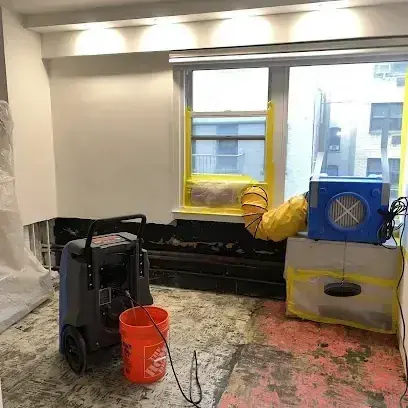 Lake Stevens, WA
What to do while water is still coming in
- 1
Close the main shutoff
Snohomish County PUD supplies the tap water here; stop it at the main shutoff inside the house or at the meter box.
- 2
Switch off wet circuits
If the electrical panel is on dry ground, flip the breakers that feed the wet rooms; otherwise leave it alone.
- 3
Lift belongings off the floor
Move rugs, electronics, photos and papers into a dry room or up to a higher floor.
- 4
Photograph first
Take pictures of where the water started, how high it rose and each wet room, all before cleanup.
- 5
Keep clear of creek and lake water
Water that came in from the lake, a creek or a flooded road is Category 3, so keep children and pets out.
Water Damage Restoration Services in Lake Stevens, WA
Lakeside flooding, frozen pipes, sewer backups and eleven more kinds of water loss, each with its own page. Start with the problem in front of you at home or at work.

Water Extraction and Removal
Standing water pulled up fast near the lake, where saturated ground can keep floors wet.
Water Extraction and Removal details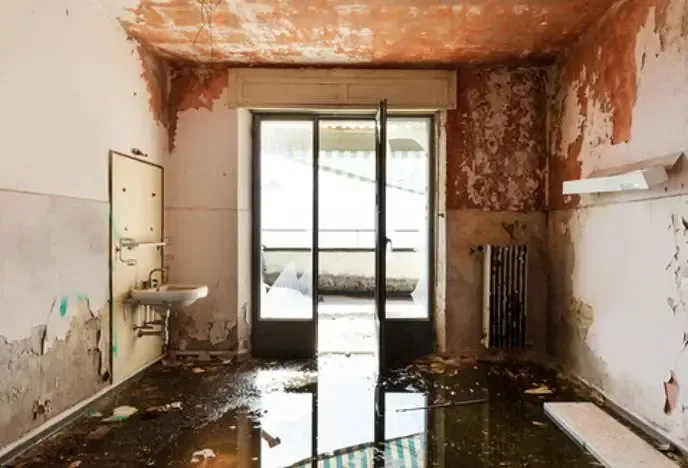
River and Flood Water Cleanup
Creek, outlet channel and street floodwater handled as Category 3, with soaked materials removed.
River and Flood Water Cleanup details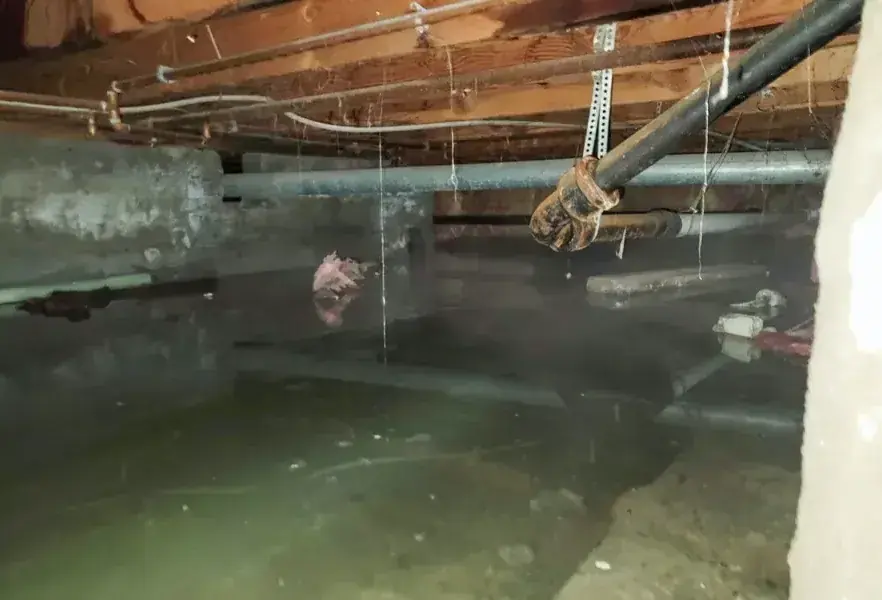
Crawl Space Water Cleanup
Water beneath the floor pumped out, wet insulation pulled and the framing dried to readings.
Crawl Space Water Cleanup details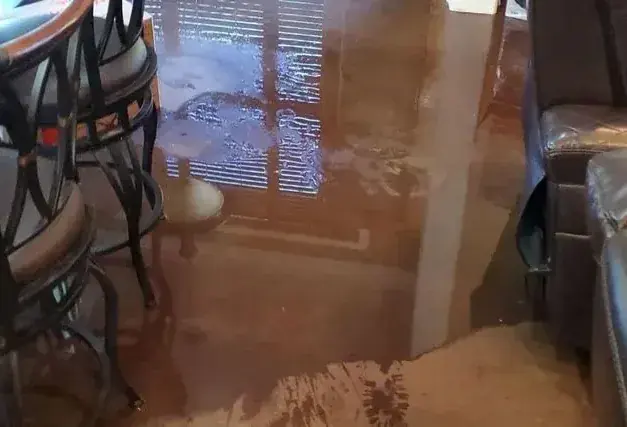
Sump Pump Failure Cleanup
Pits that overflow when a winter storm knocks out PUD power, pumped out and dried.
Sump Pump Failure Cleanup details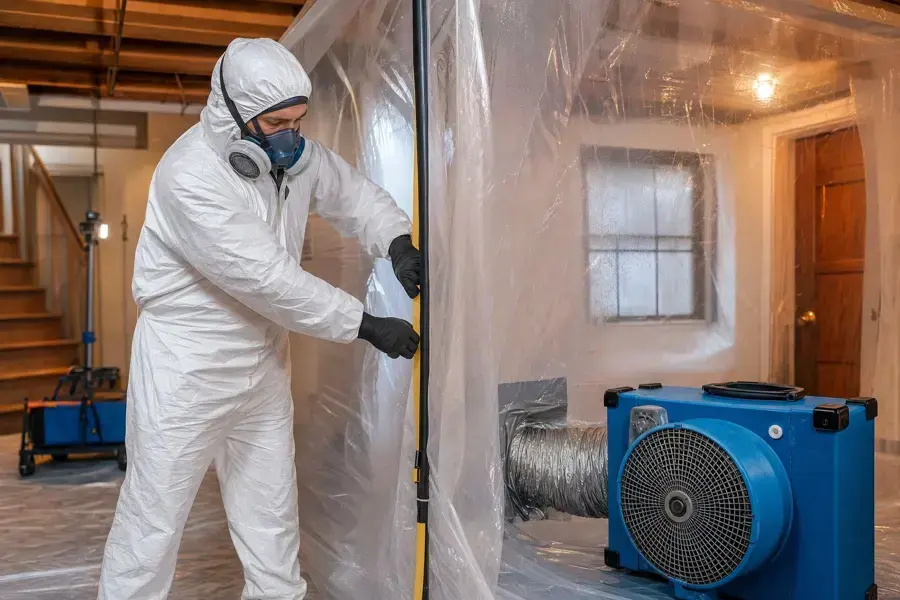
Sewage Backup Cleanup
Toilet and drain backups walled off with plastic, cleaned out and disinfected as Category 3.
Sewage Backup Cleanup details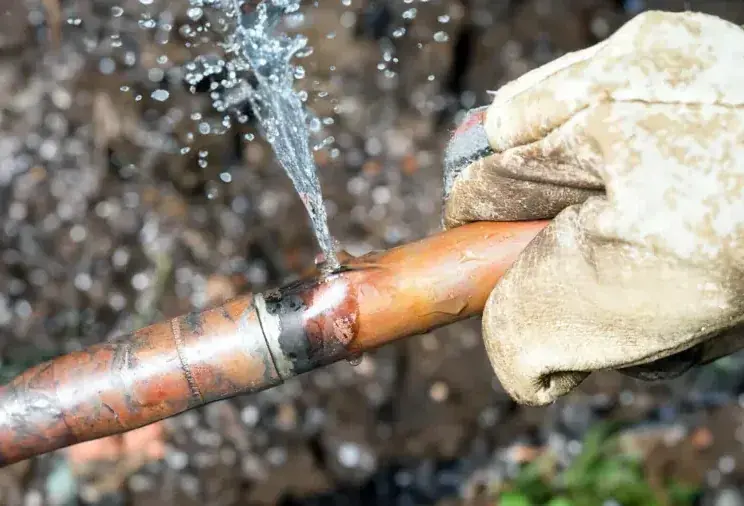
Burst Pipe Water Damage
A split pipe found by meter and camera, then every wet wall and floor dried out.
Burst Pipe Water Damage details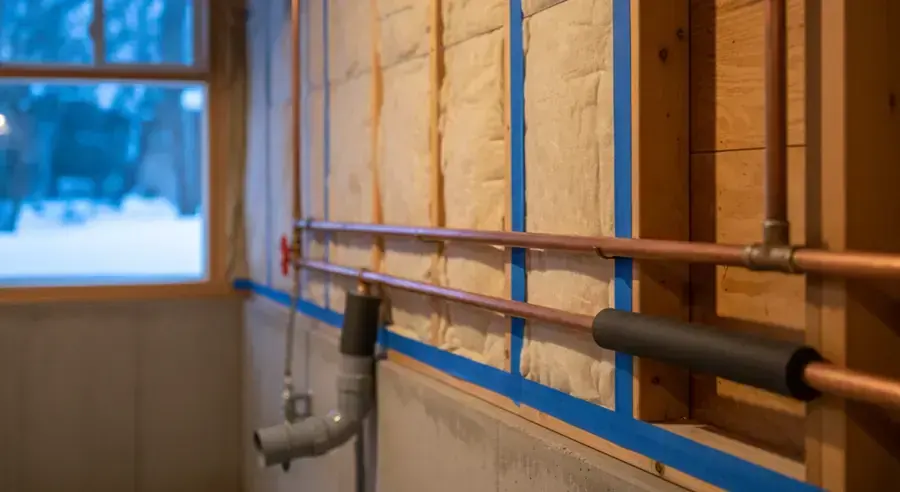
Frozen Pipe Cleanup
Freeze breaks like those in the January 2024 cold snap found and dried as they thaw.
Frozen Pipe Cleanup details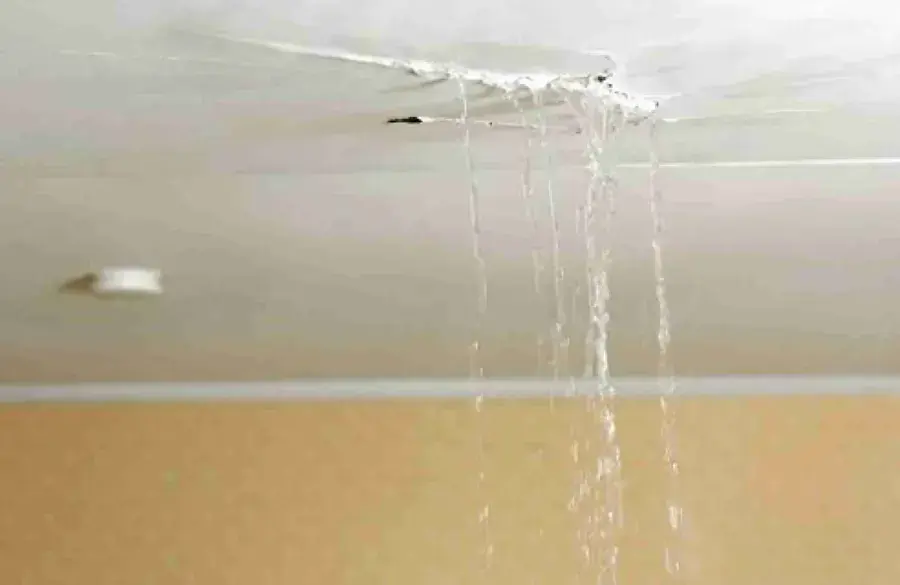
Ceiling Leak Water Damage
Water from a bath or laundry upstairs traced through the ceiling, with wet drywall opened and dried.
Ceiling Leak Water Damage details
Roof Leak Water Damage
Winter storm leaks through the roof handled, wet attic insulation removed and the decking dried.
Roof Leak Water Damage details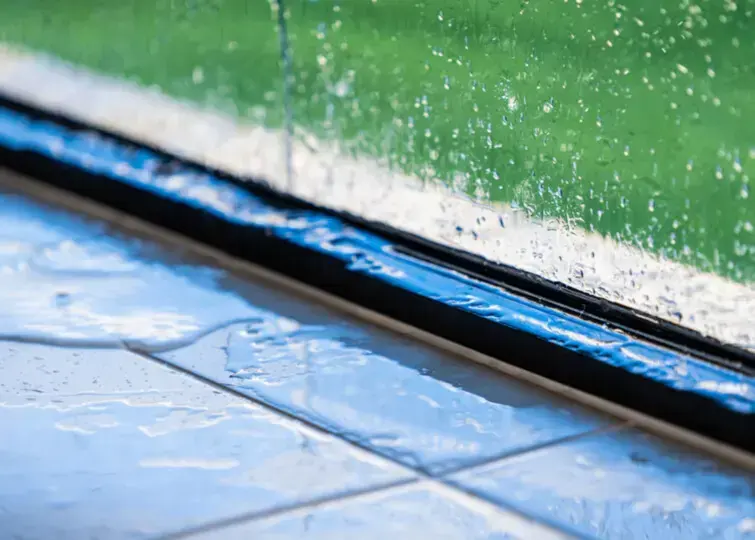
Storm and Wind-Driven Rain Damage
Wind-driven rain and heavy storm runoff dried out of walls, floors and entries.
Storm and Wind-Driven Rain Damage details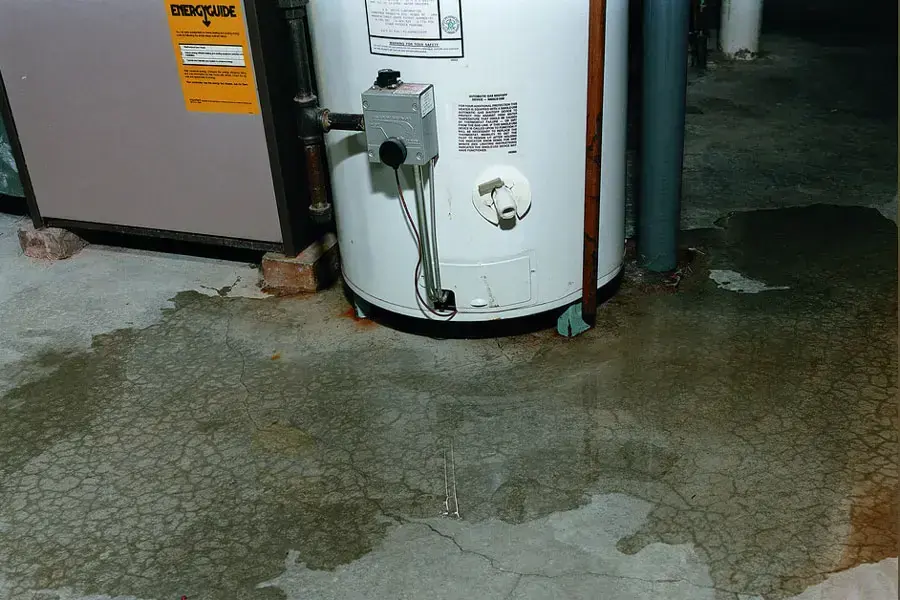
Water Heater Leak Cleanup
Failed tanks and fittings extracted, with the drywall, framing and flooring around them dried.
Water Heater Leak Cleanup details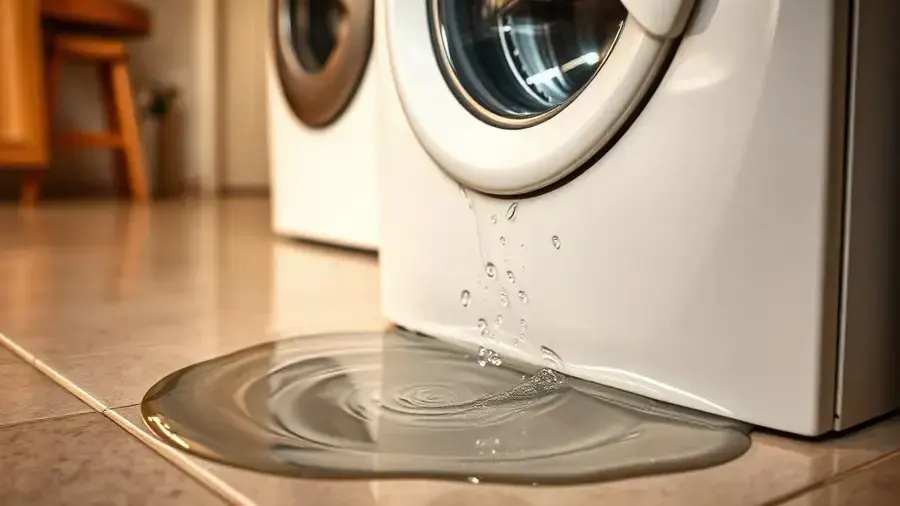
Appliance Leak Water Damage
Leaks behind the washer, dishwasher or fridge dried out from under cabinets and floors.
Appliance Leak Water Damage details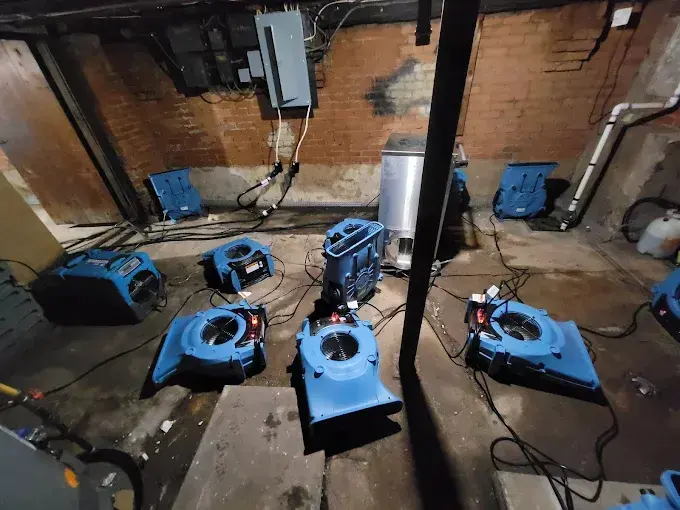
Structural Drying and Dehumidification
Wood framing and subfloor dried to a measured target, with equipment left until the numbers agree.
Structural Drying and Dehumidification details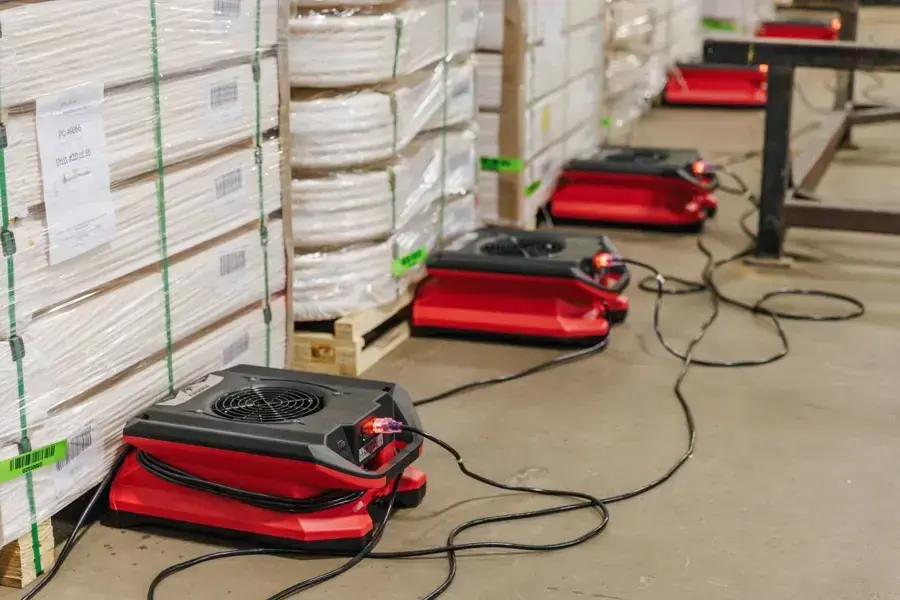
Commercial Water Damage
Shops downtown, at Frontier Village and in the Hartford Industrial Area dried in planned phases.
Commercial Water Damage details
How a water loss is handled around the lake
Water in a home here usually comes from inside, a split pipe, a failed hose or a tank, or from outside when the lake, a creek or a flooded street pushes it in. The restoration team traces it to where it stopped and plans the dry-out from there.
Rapid local response
Crews roll out 24/7, storms and outages included, and active water goes to the front of the list.
IICRC S500 drying standard
The goal is dry framing and subfloor, not just dry-looking carpet, so equipment is sized room by room and checked daily.
Claim-ready documentation
Each job file holds a first-visit moisture map, a psychrometric log for every day of drying and dated photos shot before demolition.
Local water know-how
High lake levels, creek and outlet flooding, winter storms and cold-snap pipe breaks are the losses crews plan around here.
Drying held to the IICRC S500 standard
Wet ground and a high lake mean outside air rarely helps a dry-out here. The drying team closes up the work area and lets the readings decide when it is dry.
- 1
Moisture mapping first
The tech who does the walkthrough reads drywall, framing, subfloor and the space under the floor with pinless meters and a thermal camera before work starts.
- 2
Extraction
The extraction crew removes standing water with truck-mounted or portable units, room by room, before any equipment is set.
- 3
Equipment sized to the loss
Air mover and dehumidifier counts follow the class of loss in each room; hardwood and soaked framing get desiccant units.
- 4
Readings until dry
Readings go in the log daily, and the job ends only when wet materials come within 2 to 4 points of an unaffected sample.
What does water damage restoration cost in Lake Stevens, WA?
Expect anywhere from $1,200 for a small leak caught early to $30,000 when lake or creek water fills a whole floor and the space beneath it. Water category, square footage, materials and how fast drying began set the figure.
Small clean-water leak
- One or two rooms
- Dried in place
- Readings logged daily
Floor system or several rooms
- Water through the subfloor
- Wet insulation removed
- Framing dried to readings
Lake, creek or sewage water
- Category 3 water
- Porous materials removed
- Containment and antimicrobial
Ranges are typical, not quotes. The cost calculator and the drying time estimator give a closer number for your own home and loss.
All water damage categories covered in Lake Stevens, WA
Category 1: clean water
Split supply pipes, water heaters and faucets. Dried quickly, most materials stay in place.
Burst pipe water damageCategory 2: gray water
Drain water from a washer or dishwasher, or a toilet that overflowed without waste. Carpet pad is pulled and an antimicrobial goes on.
Appliance leak water damageCategory 3: black water
Sewer backups and floodwater from the lake, creeks or streets. Porous materials it touched come out.
Sewage backup cleanupDocumentation for your insurance claim
Adjusters decide a water claim from the file, not the first phone call. A complete claim file for a home here carries these items.
- A moisture map from the first visit that marks every wet material
- Daily psychrometric logs and moisture readings through the end of drying
- Timestamped photos of each room before drywall, flooring or insulation comes out
- The water category and class of loss assigned to each affected room
- An itemized scope of the mitigation work, in the format adjusters use
Check your own policy
A sudden discharge, such as a split supply pipe, is treated differently from lake or creek flooding, surface water and sewer backup. After the FEMA flood map update that Snohomish County adopted in June 2020, some lakeshore owners learned from their lenders that their homes sit in a flood hazard area.
What gets paid depends on your own policy, so confirm the details with your insurer. Crews document the loss the same way whatever the answer is.
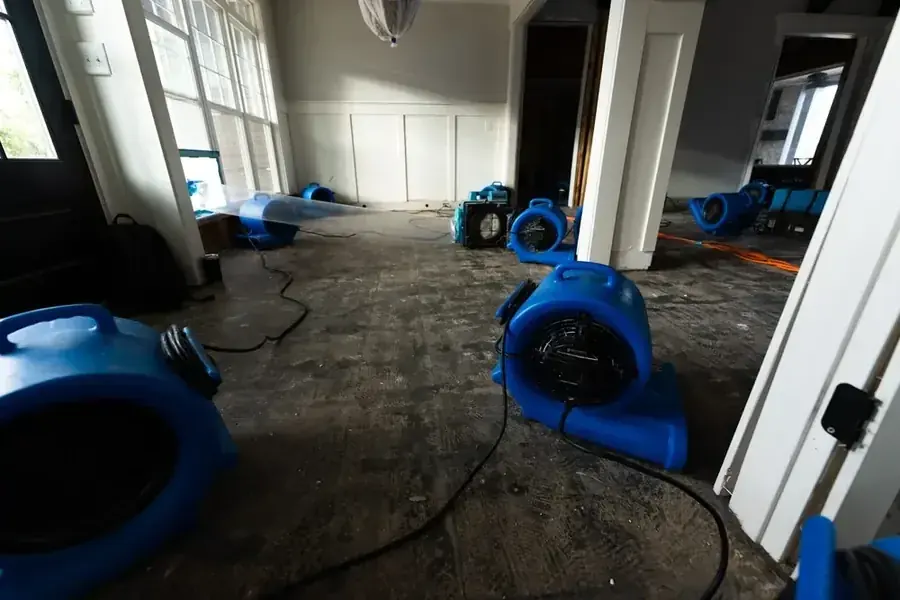
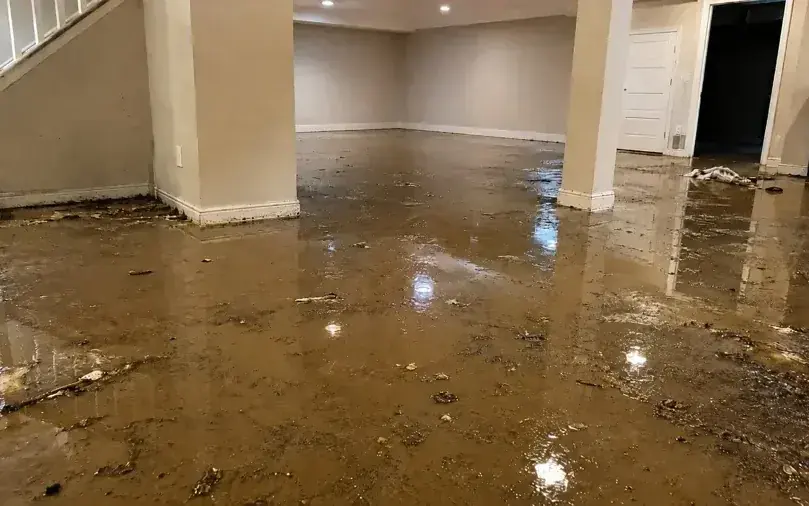
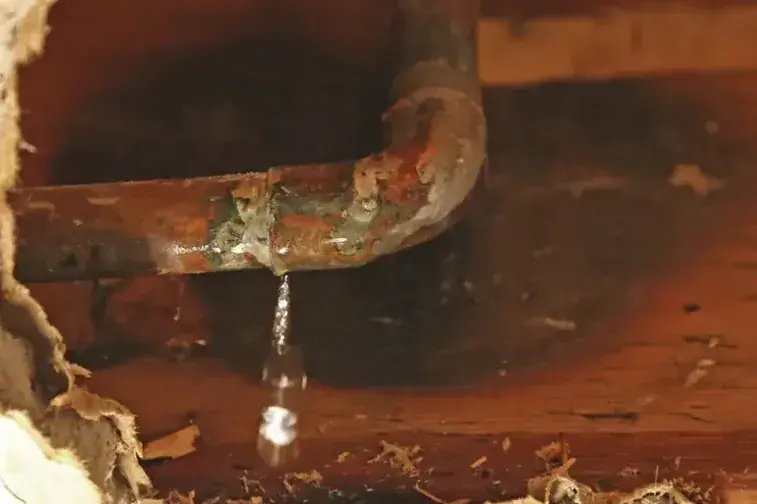
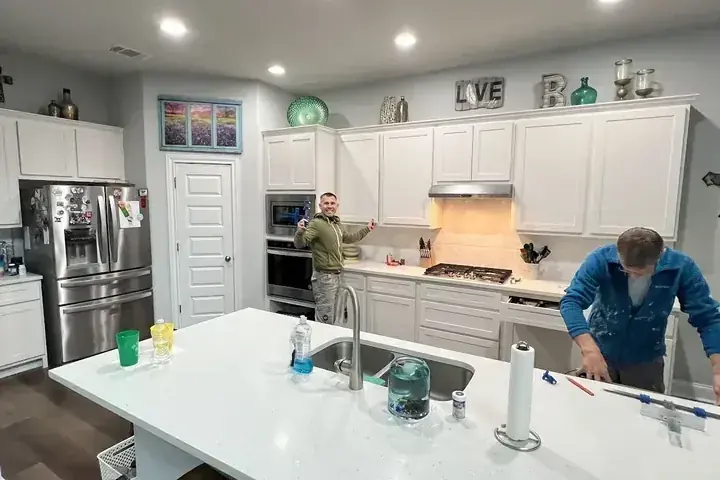
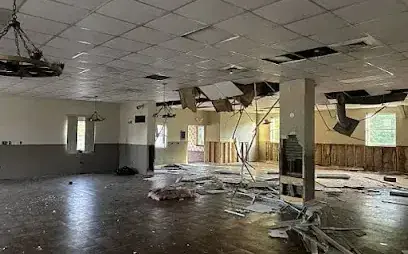
What a water damage dry-out looks like around the lake

Neighborhoods and planning areas covered
Neighborhoods
ZIP code
Nearby towns
Water damage in Lake Stevens, WA: what drives it
The city wraps the north and east sides of the lake, and about 68 percent of its homes went up in 1990 or later. Four creeks feed the lake, and its single outlet channel beside Hartford Drive sets how high the water sits each winter.

November 2021. Record rainfall made the lake's outlet channel beside Hartford Drive spill over the road, even after the city had dredged 300 feet of the channel that fall. Earlier that year, in January 2021, the city built a sandbag wall along Hartford Drive as the lake and downtown flooded.
- A slow-draining lake. Rain saturates the ground around the lake, so the water can stay high or keep rising for days after a storm ends, and some lakeside yards hold standing water.
- Creek and outlet flooding. The city's hazard page notes high flood potential in some areas because streams and creeks can overflow from rain and runoff.
- Flash flooding on roads. On September 10, 2018, heavy rain put water over Callow Road and Grade Road and into yards, leaving mud on driveways.
- River erosion. In February 2018, Pilchuck River flooding eroded some backyards in the city.
- Cold snaps. The January 2024 cold snap set Everett daily records of 14 and 23 degrees and burst pipes across western Washington.
- Storm outages. A severe storm on November 17, 2015 cut power to about 150,000 PUD customers across Snohomish County, and sump pumps without backup stop when the power does.
Water damage questions in Lake Stevens, WA
How fast can a crew reach a home near the lake?
Dispatch runs around the clock, 24/7, and active water gets urgent priority. Roads and weather shape travel time, so say so if Hartford Drive or another nearby road is flooded.
Why does water keep coming back after a big rain?
The lake can stay high or keep rising for days after the rain stops, and saturated ground keeps pushing water in until levels drop. The crew watches for new water before closing up.
Is lake or creek floodwater treated like a burst pipe?
No. Anything that flowed in from the lake, a creek or a flooded street counts as Category 3, since it brings soil, debris and sometimes sewage with it. Soaked carpet, pad and drywall get cut out; a clean pipe leak is often dried where it sits. See river and flood water cleanup.
My home is newer. Can pipes still freeze?
Yes. About 68 percent of homes here date from 1990 or later, yet the January 2024 cold snap still burst pipes across western Washington. Snohomish County PUD has suggested keeping thermostats at 55 degrees or higher.
What is the IICRC S500?
The trade's reference document for water losses: how clean, gray and black water are handled, how much equipment a room needs and when drying is done.
Does the sewer district clean up a backup inside the house?
No. The local sewer district runs the public system and lists registered side sewer contractors. Inside the home, the cleanup crew contains the area, removes soaked materials and disinfects under Category 3 rules.
Will homeowners insurance cover the damage?
Policies tend to treat a burst pipe as sudden and accidental, which is often covered. Lake or creek water counts as flood, a separate policy, and sewer backup often requires an endorsement. What is covered depends on your policy, so confirm it with your own insurer.
When does drywall need to come out?
Three things send drywall out: contact with Category 3 water, water trapped behind it in an insulated wall, or readings that refuse to drop. Meters make the call room by room, so sound panels stay up.
How long does drying take?
It depends on how much water the materials soaked up, the category and how soon drying began. Equipment stays until every wet material matches the dry reference, not until a set date. See structural drying.
Why start drying right away on a clean-water leak?
Mold can take hold on damp wood and drywall in 24 to 48 hours, and a clean leak grows dirtier the longer it stands. Fast extraction keeps more of the home in place and the claim smaller.
Water inside the house right now?
Standing water soaks a little deeper into the subfloor, framing and insulation with every hour. Extraction, structural drying and a full claim file start with one call, 24/7.
(888) 509-1696Start the extraction around the lakeArlington Water Damage Restoration
Arlington, WA · Snohomish County
(888) 509-1696 · nights and weekends too