Water Damage Restoration in Mill Creek
Wet floors, soaked walls and sewage in a Mill Creek house, townhome or condo get pumped out, mapped with moisture meters and dried until the readings match a dry reference, with every number recorded for the adjuster.
(888) 509-1696Send a crew to the wet roomsMany local homes date from the 1980s and 1990s, and shared walls change how a wet floor is opened.
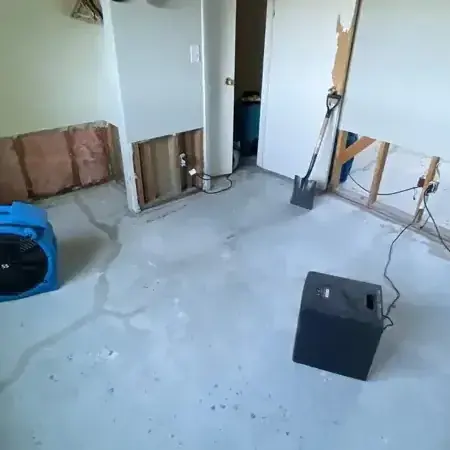 Mill Creek, WA
What to do while water is still spreading
- 1
Stop the source
Close the main valve for a burst pipe, shut off a leaking appliance, and stop using drains if sewage is coming up.
- 2
Cut power to wet rooms
Turn off breakers for wet areas, and keep clear of outlets, cords and any ceiling that sags with trapped water.
- 3
Move what can move
Lift small furniture, rugs and electronics onto dry surfaces, and leave heavy pieces in place for the crew to handle.
- 4
Photograph first
Take wide and close photos of the water, damaged materials and any appliance labels before anything is moved or removed.
- 5
Say what kind of water it is
Tell the dispatcher if the water was clean, from a toilet or drain, or from outside, because that decides the safety steps.
Cleanup and drying for every kind of leak
Each service page covers one kind of water loss, from a failed supply hose to river flooding, with typical steps, price ranges and the readings that mark a finished job.

Water Extraction and Removal
Pumps and wands pull standing water off floors and out of carpet pad first.
Water Extraction and Removal details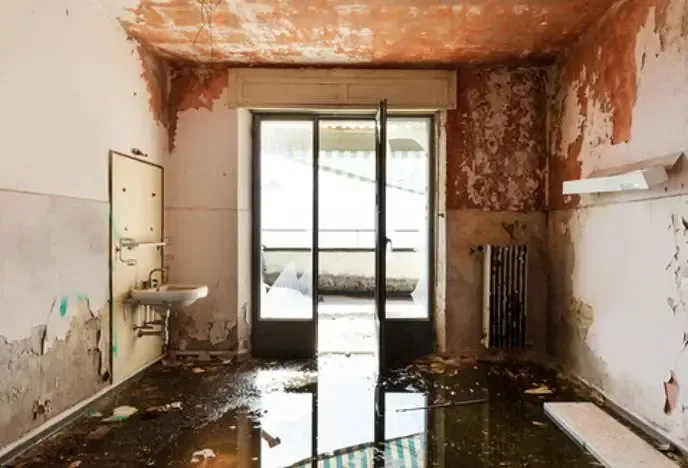
River and Flood Water Cleanup
River and storm flood water is pumped out, then soaked drywall and flooring are cut away.
River and Flood Water Cleanup details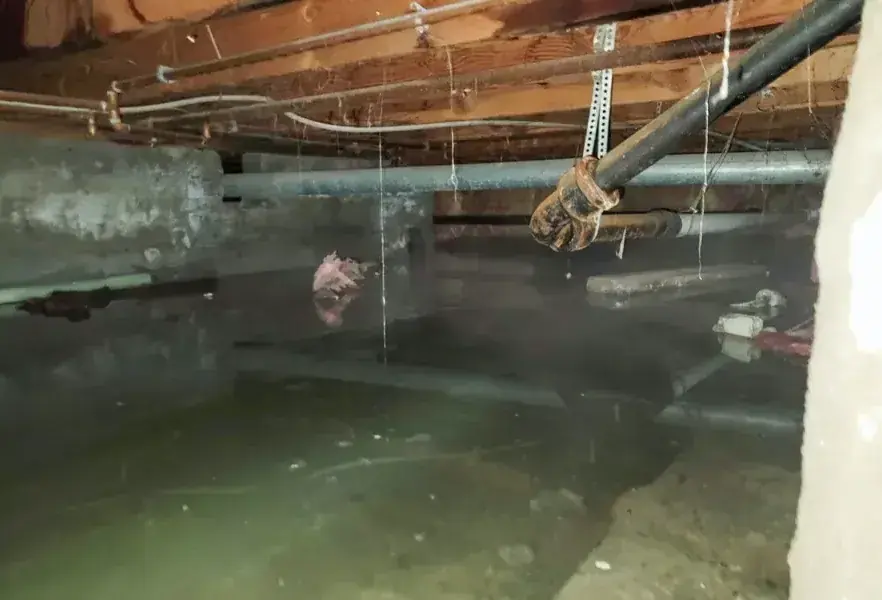
Crawl Space Water Cleanup
Water trapped under the floor is pumped out, insulation is pulled and joists are dried.
Crawl Space Water Cleanup details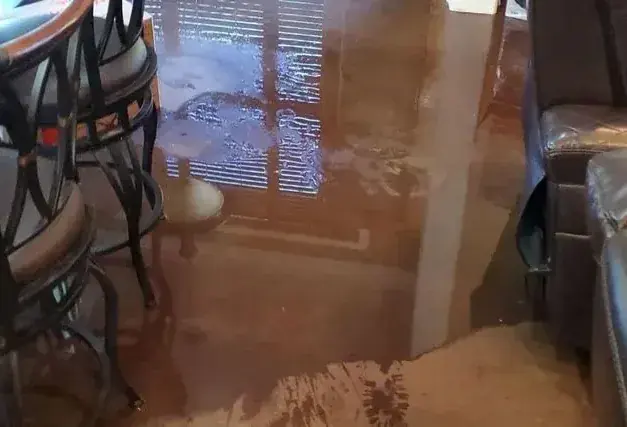
Sump Pump Failure Cleanup
A failed sump pump floods a crawl space or garage that then needs pumping and drying.
Sump Pump Failure Cleanup details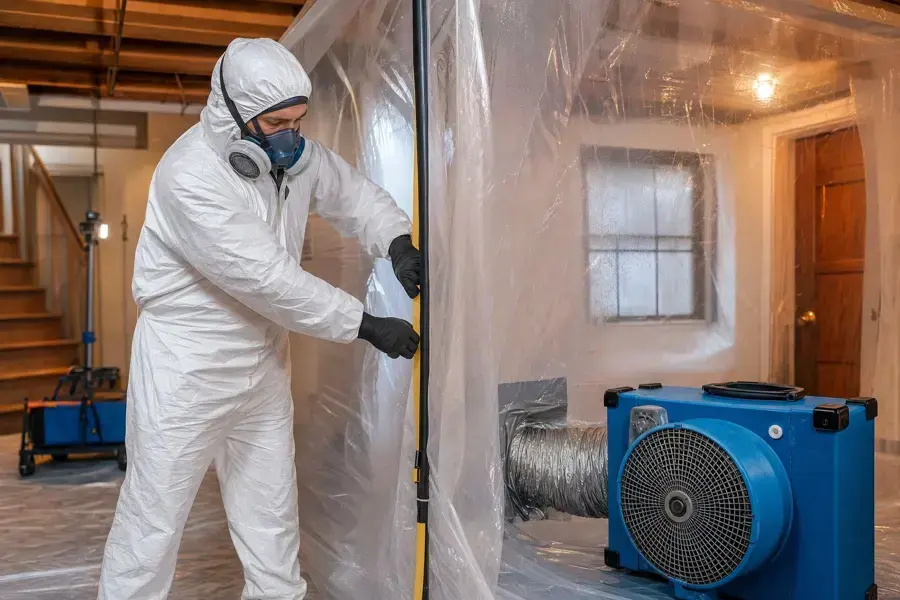
Sewage Backup Cleanup
Backed-up drains and toilets are contained, cleaned and treated, with porous materials removed.
Sewage Backup Cleanup details
Burst Pipe Water Damage
A burst pipe calls for extraction, opened wall cavities and drying of every wet layer.
Burst Pipe Water Damage details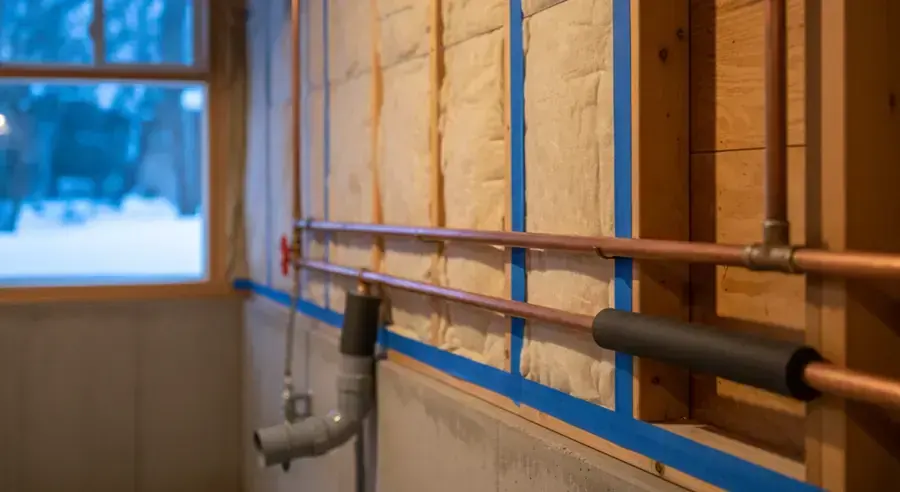
Frozen Pipe Cleanup
Pipes that froze and split in a cold snap leave water in walls, ceilings and crawl spaces.
Frozen Pipe Cleanup details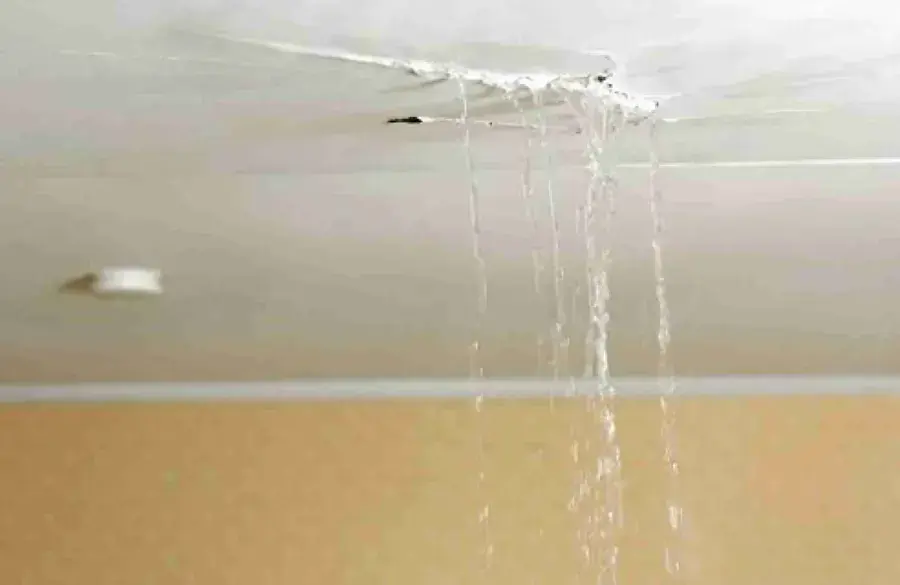
Ceiling Leak Water Damage
Water from a supply leak or an upstairs unit sags a ceiling and soaks the room below.
Ceiling Leak Water Damage details
Roof Leak Water Damage
Rain through shingles, flashing or a skylight wets the attic, insulation and the ceilings beneath.
Roof Leak Water Damage details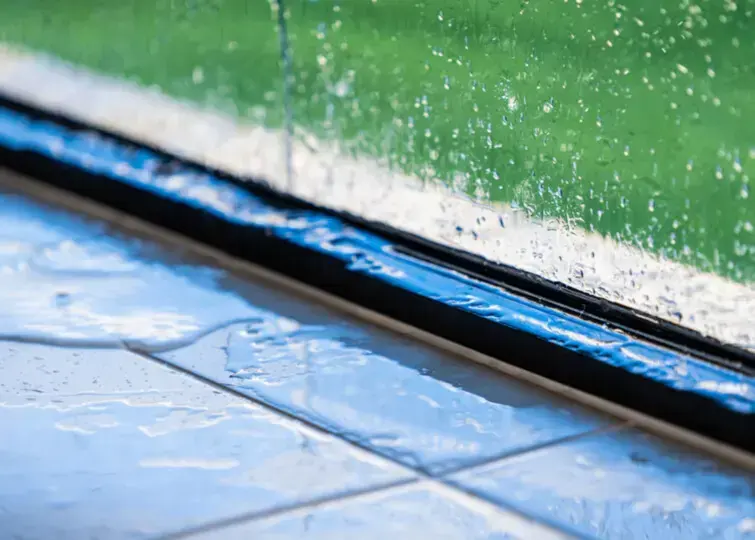
Storm and Wind-Driven Rain Damage
Wind-driven rain pushes water behind siding and around windows, wetting wall cavities that need drying.
Storm and Wind-Driven Rain Damage details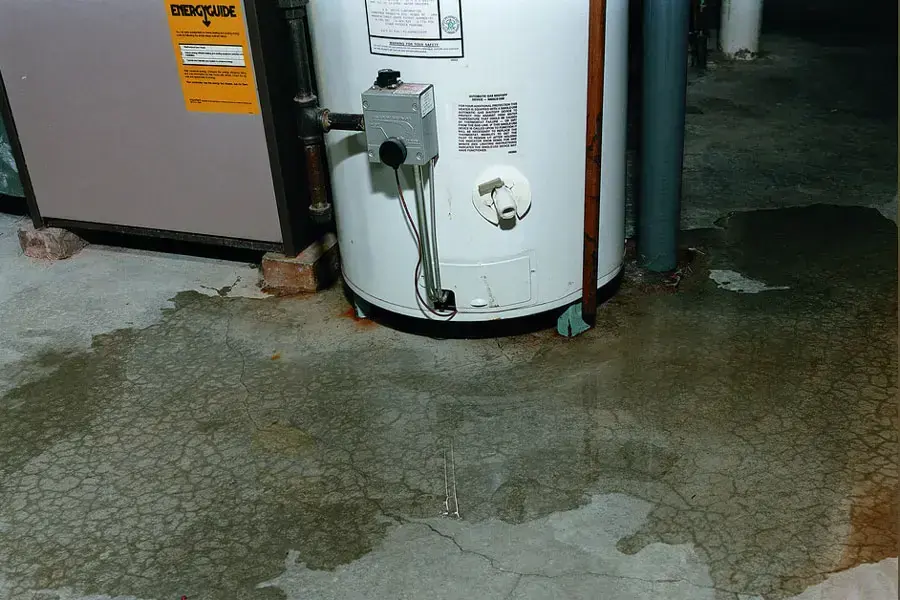
Water Heater Leak Cleanup
A failed tank floods a closet, hallway or garage, and wet drywall and subfloor need drying.
Water Heater Leak Cleanup details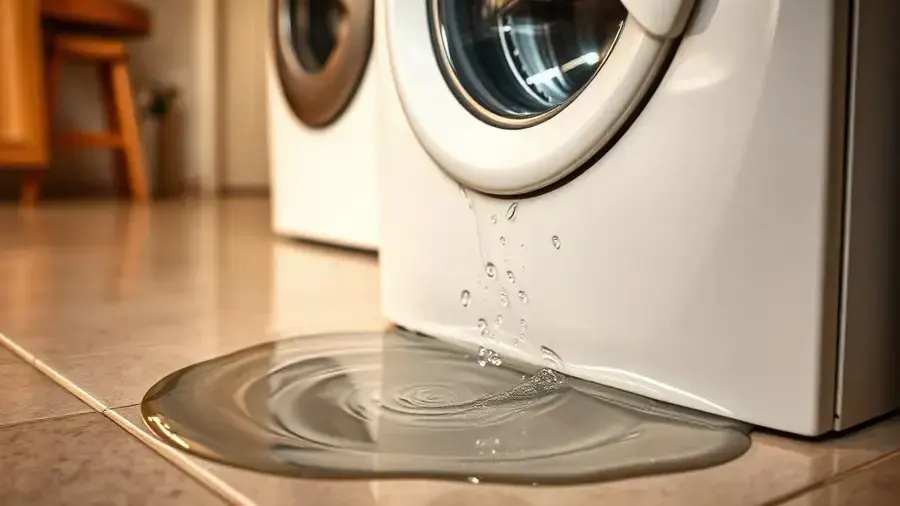
Appliance Leak Water Damage
Dishwasher, washer and refrigerator leaks hide under cabinets and flooring until the subfloor is wet.
Appliance Leak Water Damage details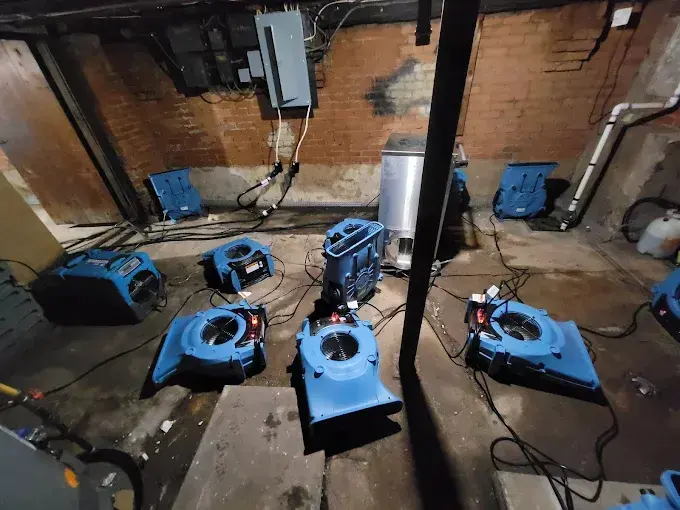
Structural Drying and Dehumidification
Air movers, dehumidifiers and daily moisture readings dry framing, subfloor and walls to a set target.
Structural Drying and Dehumidification details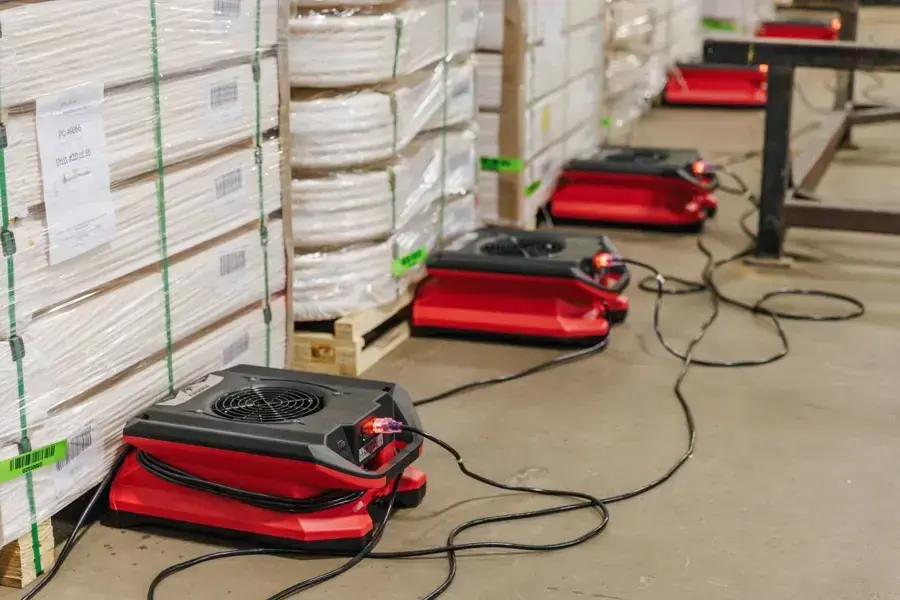
Commercial Water Damage
Shops, offices and multi-unit buildings get phased drying that keeps neighbors and tenants working.
Commercial Water Damage details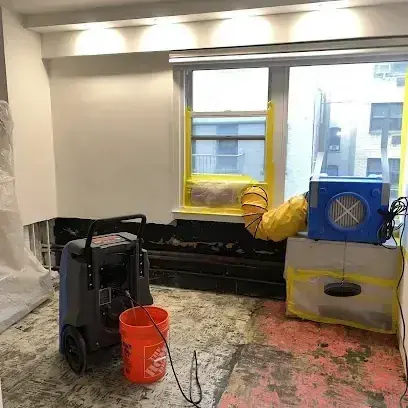
Crews that know how Mill Creek homes are built
Mill Creek mixes detached houses, townhomes, condos and apartments, and water moves through each differently. Crews map the moisture first, so removal and drying stay focused on the wet area while dry rooms and neighboring units are left alone. The goal is a written record showing every wall and floor reached its target.
Rapid local response
Dispatch is open every hour of every day, so a burst pipe at midnight gets the same attention as one at noon.
Equipment sized to the room
Air movers and dehumidifiers are chosen from the moisture map, then moved or removed as the daily readings change.
Claim-ready documentation
Photos, moisture logs and equipment records are saved for the adjuster as the job moves along, not rebuilt later.
Local water know-how
Crews plan around frequent rainy days, shared walls between units and drainage that stays the owner's job on private property.
Drying runs to a measured target
Jobs follow the IICRC S500 standard: moisture is mapped first, water is removed next, and equipment stays until every material reads dry against a reference taken in an unaffected room.
- 1
Moisture mapping first
Meters and a thermal camera trace the water through walls, floors and ceilings, so every wet surface gets a reading before anything is cut.
- 2
Extraction
Pumps and wands remove standing water, then extractors work the carpet, pad and hard floors until they stop giving up water.
- 3
Selective tear-out and cleaning
Only materials that cannot be dried, such as soaked pad or saturated drywall, come out, and exposed surfaces are cleaned and treated.
- 4
Readings until dry
Technicians return each day to read the meters, adjust the equipment and log the numbers, and the job closes only when every reading hits its target.
What water damage cleanup tends to cost here
Cost follows three things: how many rooms got wet, how long the water stood, and whether it was clean, gray or sewage water. Equipment days and removed materials make up most of the bill.
Small clean-water leak
- One or two rooms
- Dried in place
- Readings logged daily
Whole floor or crawl space
- Several rooms affected
- Wet insulation removed
- Some drywall replaced
Dirty or long-standing water
- Category 3 water
- Porous materials removed
- Containment and antimicrobial
Run the cost calculator or the drying time estimator for a rough number, then expect a written scope once a crew has read the moisture.
Three kinds of water, three different cleanups
Category 1: clean water
Supply breaks and failed fittings send clean water that dries in place when caught early.
Burst pipe damageCategory 2: gray water
Dishwasher and washing machine overflows carry some contamination, so wet carpet pad and the lowest drywall usually come out before drying.
Appliance leak damageCategory 3: black water
Sewage and flood water carry bacteria, so the area is contained and porous materials are removed.
Sewage backup cleanupRecords for the insurance claim
Adjusters ask for evidence of what happened and when, so the file is built while the water is still being removed.
- Dated photos of the water, the source and each damaged material
- A moisture map showing which rooms and surfaces read wet
- Daily readings and equipment records until the structure is dry
- An itemized list of every material removed and the reason
- The water category and the cause, both noted in writing
Before the adjuster visits
Homeowners can keep a claim moving by saving the dated photos, the written scope and the daily logs in one folder, and by keeping receipts for any emergency work done before the crew started.
Policies differ on sudden leaks, slow seepage and sewage backup, so coverage is settled between the owner and the carrier, and the contractor does not decide it.
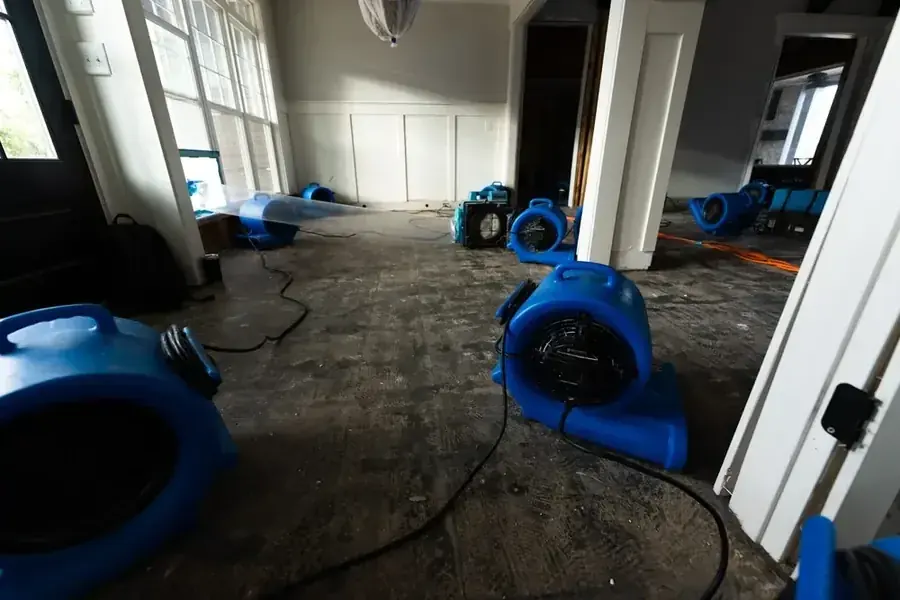
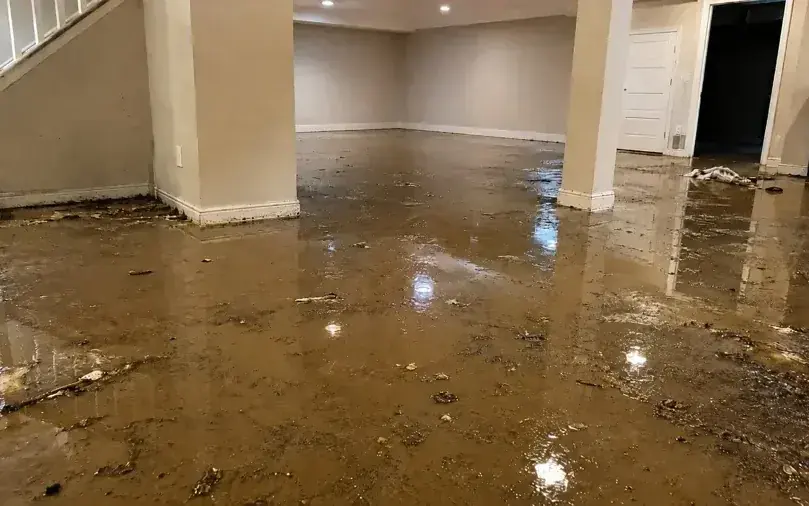
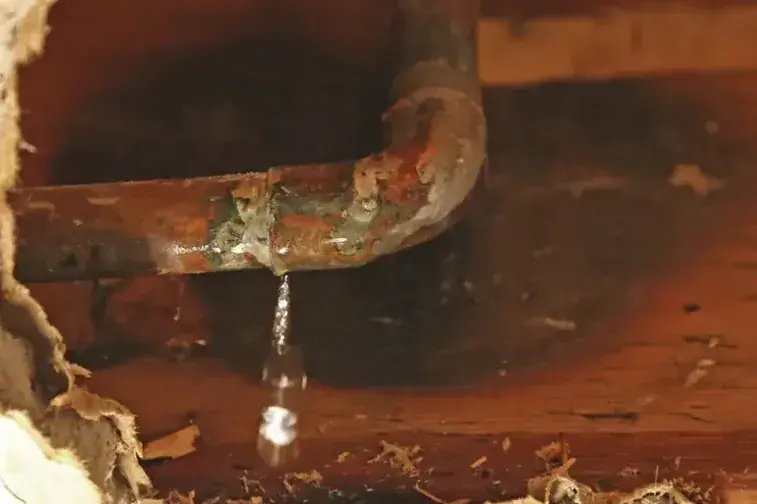
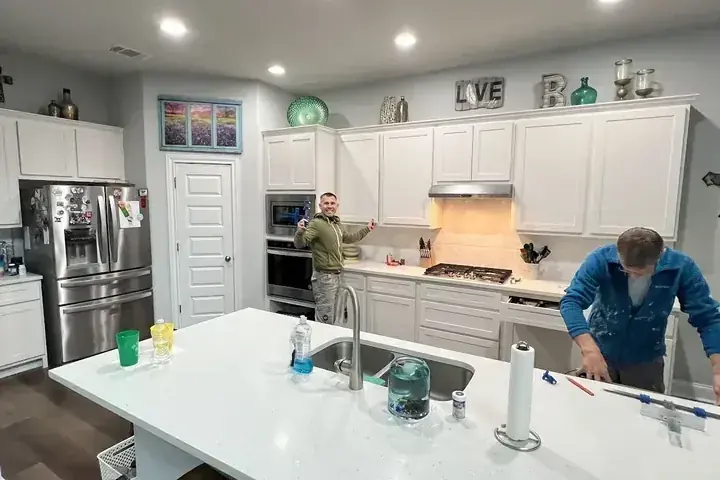
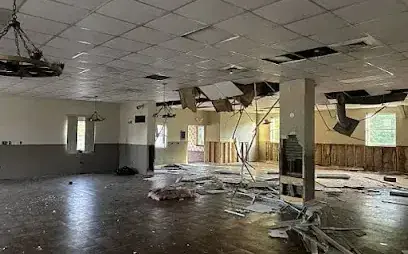
Typical water damage jobs, from torn-out floors to ceilings

Service area across Mill Creek
Neighborhoods
ZIP code
Nearby towns
What puts Mill Creek homes at risk
Water finds Mill Creek homes through steady rain, shared walls and drainage that owners keep up on their own lots. The city averages about 36 inches of rain a year, and its wet reputation comes from the count of rainy days.

November 2017. Two trees fell on a beaver dam in a local wetland on November 15, 2017, sending water through a neighborhood. 136th Street SE closed between State Route 527 and Jackson High School, homes on 137th Street SE flooded, and the Silver Lake district pumped floodwater into a storm drain.
- Wetland overflow. The 2017 event began with fallen trees on a beaver dam, and the water that moved through a neighborhood shows how fast a wetland problem becomes a house problem.
- Frequent wet days. Roofs, gutters and window flashing face rain on many days, so a small defect often shows up first as a stain.
- Shared walls and floors. About 38 percent of housing units sit in buildings of 5 or more units, so a leak in one home can wet the ceiling or wall of another.
- Private drainage. The city says owners maintain the drainage systems on their own property, and only rain belongs in a storm drain.
- Cold snaps. The city lists a minimum frost depth of 12 inches, and the January 2024 cold snap burst pipes across western Washington.
- Storm outages. About 25,000 Snohomish County customers were still without power on November 21 after the November 2024 bomb cyclone, and outages can idle sump pumps.
Mill Creek water damage questions
How soon should water removal start?
As soon as the source is stopped and it is safe to enter. Wet drywall, pad and framing begin to break down quickly, and every extra day of moisture adds to the scope and the bill.
Does homeowners insurance cover water damage cleanup?
Many policies cover sudden events such as a burst pipe and exclude slow seepage. The carrier makes the call, and photos and daily moisture logs give the adjuster concrete records to work from.
What separates clean, gray and black water?
Clean water comes from supply pipes, gray water from appliances and sinks, and black water from sewage or flooding. The category sets what must be thrown out, so porous materials from black water never get dried and kept.
Can a condo or townhome leak affect the unit next door?
Yes. Shared walls, floors and ceilings carry moisture between units, so crews check the adjoining spaces. The Mill Creek Community Association alone covers 15 condominium complexes and 6 townhouse complexes.
Who deals with a sewer problem outside the house?
Two districts provide water and wastewater service here, the Alderwood Water & Wastewater District and the Silver Lake Water & Sewer District. The Alderwood district requires a side sewer permit for work on side sewer pipes outside the building, repairs included, while cleanup inside stays separate.
Does replacing a water heater need a permit?
The city lists water heater replacement among projects that need a permit, and plumbing permits go through its OpenGov portal. A leaking tank still gets cleaned up first, before any new unit goes in.
Does cleanup differ after outside floodwater gets in?
Yes. Outside floodwater is treated as Category 3, so the crew contains the area, pumps it out, removes soaked drywall and flooring up past the water mark, and treats the exposed framing.
Can wet carpet be saved?
Carpet and pad from a clean-water leak caught early can often be dried in place. Once the water was dirty or the pad stayed soaked, the pad is replaced and the carpet may be as well.
Do storms or outages change the plan?
Storm water enters through roofs, windows and drainage, and power outages stop pumps and dehumidifiers. Crews plan around outages with portable pumps and tarps, then run the drying equipment as soon as power is back.
How is a finished job confirmed?
Moisture readings from each wet material are compared with a dry reference taken in an unaffected room, and the daily log shows every reading reaching that target before equipment leaves.
Water in the house right now?
A dispatcher can send a crew at any hour, start with the source and the moisture map, and explain which photos and receipts the adjuster will want.
(888) 509-1696Start the drying plan for this houseArlington Water Damage Restoration
Arlington, WA · Snohomish County
(888) 509-1696 · nights and weekends too