Water Damage Restoration in Mount Vernon
Skagit River flooding, winter storms and a burst pipe at home all send water into Mount Vernon houses and shops. Crews extract the water, open the wet spots and dry the structure with readings.
(888) 509-1696Send a crew to the wet roomsPhotos, moisture readings and a drying log go to the adjuster, so the claim has records behind it from the first visit.
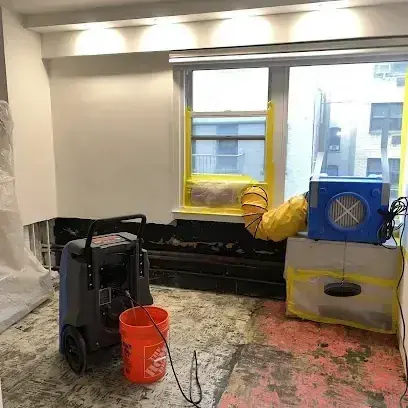 Mount Vernon, WA
What to do while the water is still spreading
- 1
Stop the source
Close the shutoff valve for a leaking pipe, and cut power to a wet room only if the panel stays dry.
- 2
Lift what can move
Pull rugs, books and small furniture off wet floors, and set foil or blocks under furniture legs on damp carpet.
- 3
Keep clear of floodwater
Water from a river, storm drain or toilet can carry waste, so keep people and pets out of it.
- 4
Photograph first
Take wide and close photos of the water line and the damaged items before anything is moved or thrown out.
- 5
Call before big cleanup
Wet drywall, pad and insulation are easier to save when a crew checks them before the mop comes out.
Water damage services for Mount Vernon homes
Each service page below covers one kind of water problem, from river flooding and sewage to a leaking water heater, with its own steps and price ranges.

Water Extraction and Removal
Truck-mounted and portable pumps pull standing water out of carpet, floors and finished rooms.
Water Extraction and Removal details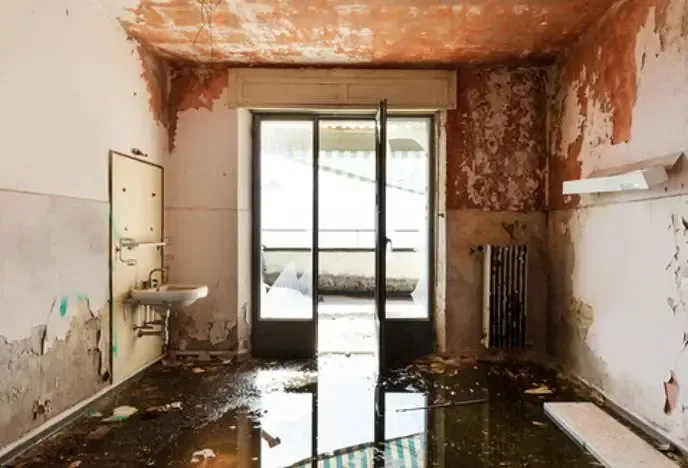
River and Flood Water Cleanup
Skagit River flooding and heavy runoff call for flood cuts, debris removal and treated, dried framing.
River and Flood Water Cleanup details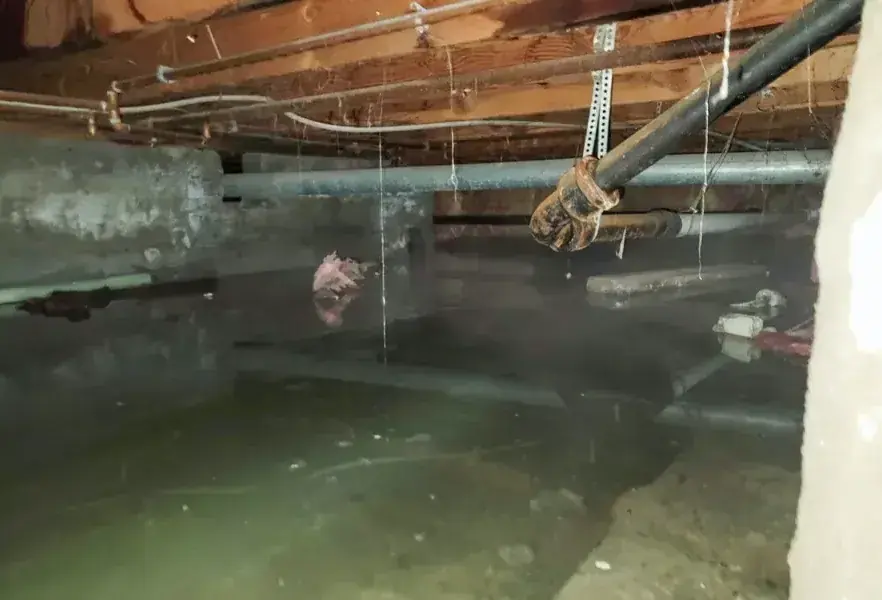
Crawl Space Water Cleanup
Water under the floor gets pumped out, wet insulation comes down and the joists are dried.
Crawl Space Water Cleanup details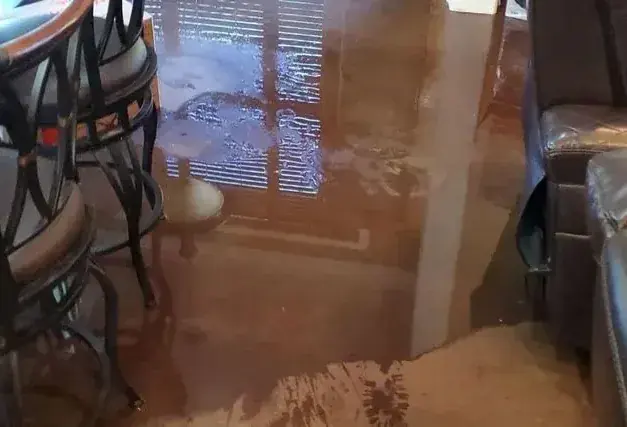
Sump Pump Failure Cleanup
A failed sump pump floods the lower level, so carpet, pad and wall bottoms get opened and dried.
Sump Pump Failure Cleanup details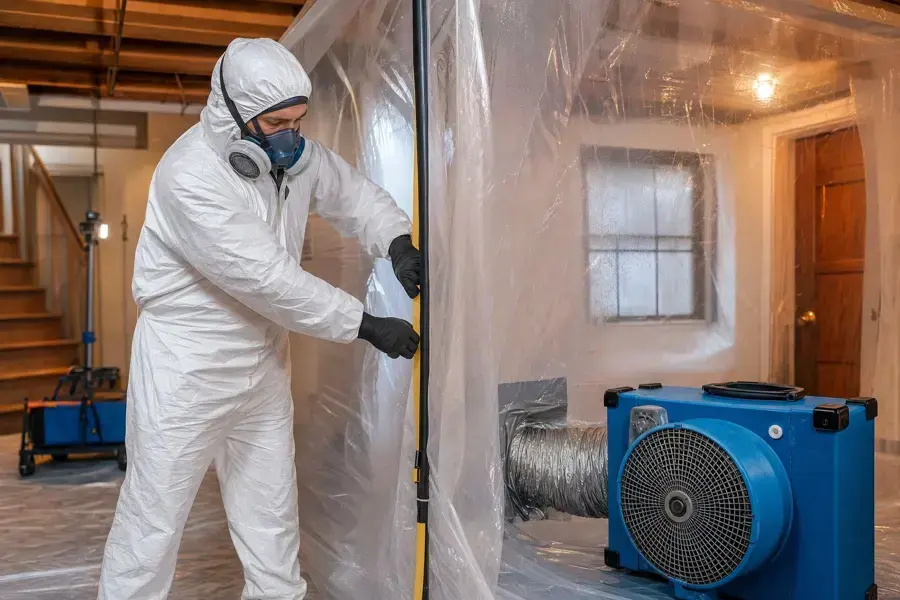
Sewage Backup Cleanup
Sewage from a backed-up drain is contained and removed, and porous materials it touched are discarded.
Sewage Backup Cleanup details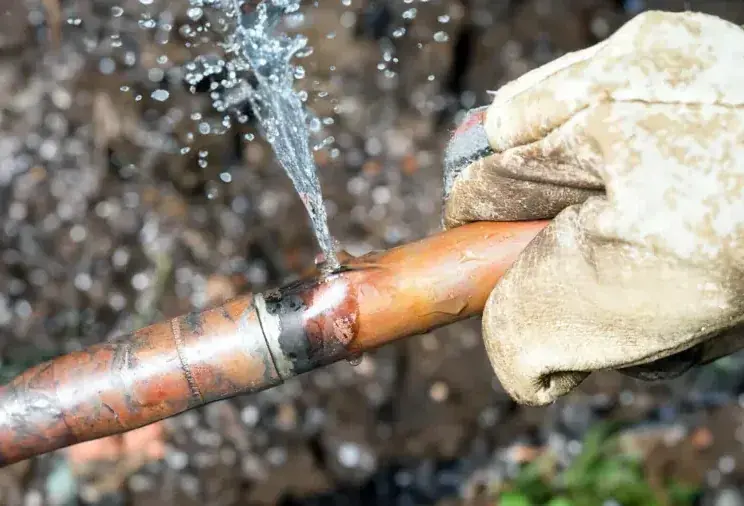
Burst Pipe Water Damage
A split supply pipe soaks walls and ceilings fast, so wet areas are mapped and dried.
Burst Pipe Water Damage details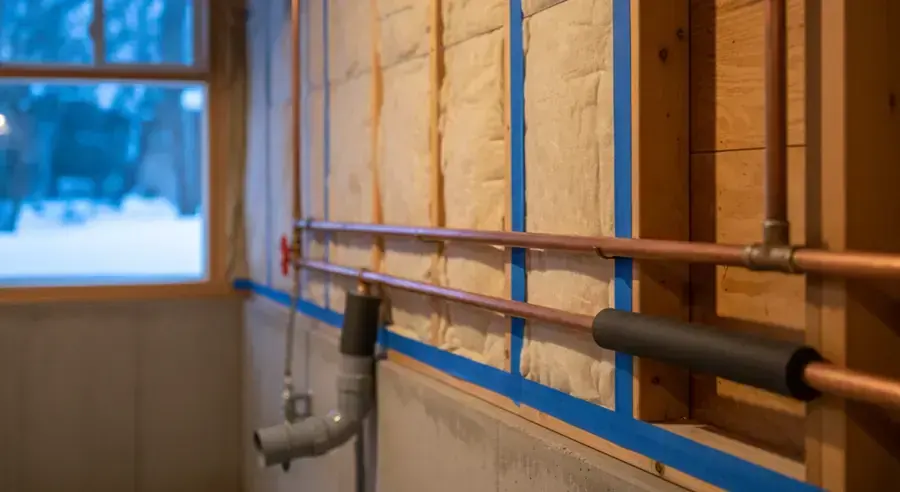
Frozen Pipe Cleanup
Pipes that freeze and split release water as they thaw, often inside walls or the floor.
Frozen Pipe Cleanup details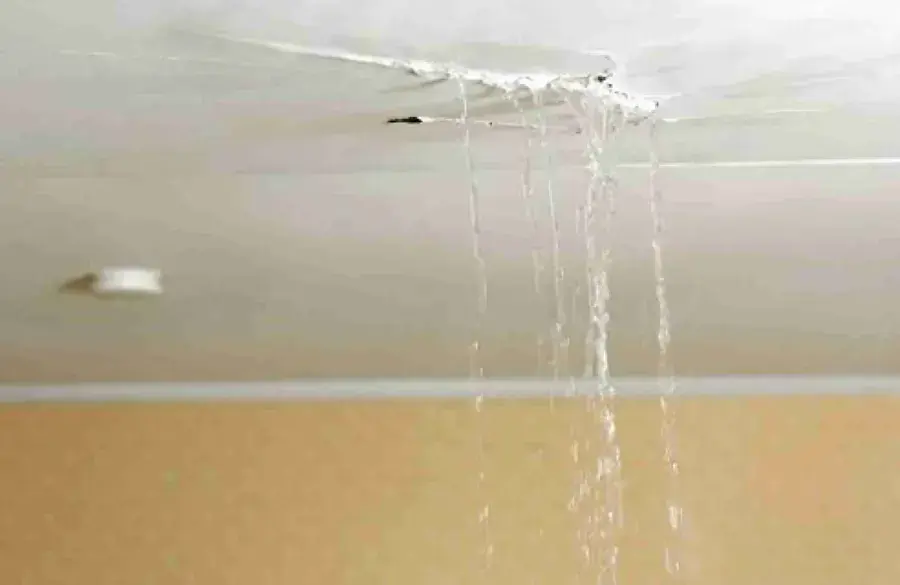
Ceiling Leak Water Damage
Stains, sagging drywall and drips point to water above that needs opening and drying.
Ceiling Leak Water Damage details
Roof Leak Water Damage
Roof leaks wet the decking and insulation first, then ceilings, so tarping and drying go together.
Roof Leak Water Damage details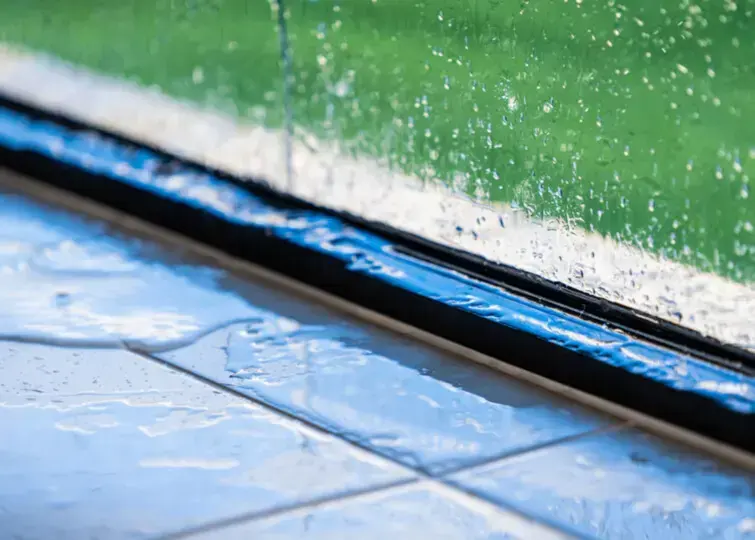
Storm and Wind-Driven Rain Damage
Wind-driven rain gets past windows, siding and flashing, then settles into wall cavities and insulation.
Storm and Wind-Driven Rain Damage details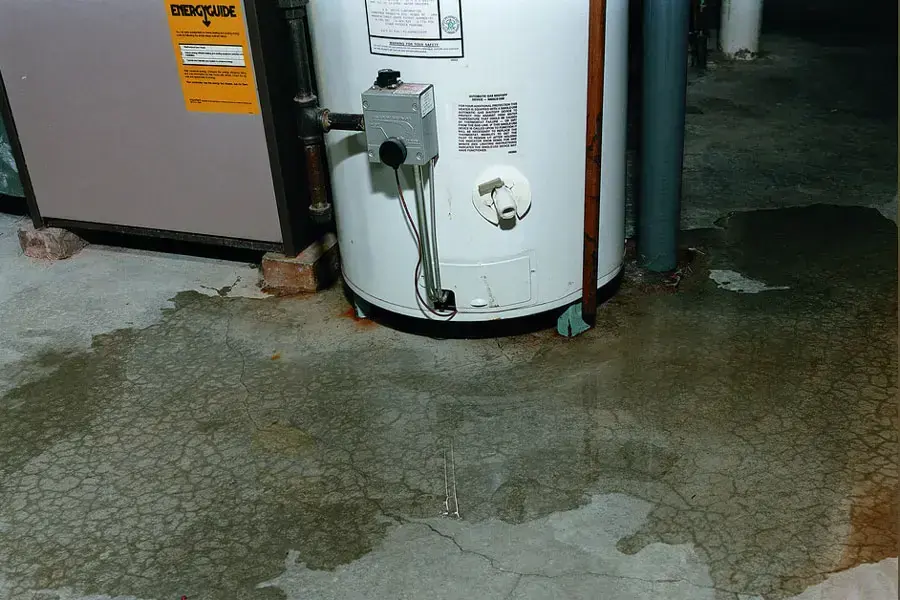
Water Heater Leak Cleanup
A leaking tank soaks the closet, garage floor and hallway, and nearby wall bottoms get dried.
Water Heater Leak Cleanup details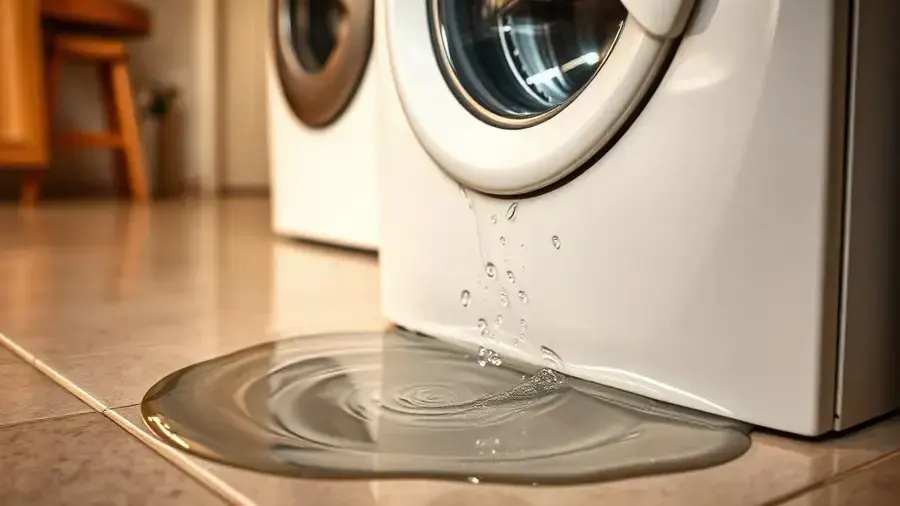
Appliance Leak Water Damage
Dishwasher, washer and refrigerator leaks hide under cabinets and flooring, where moisture meters find them.
Appliance Leak Water Damage details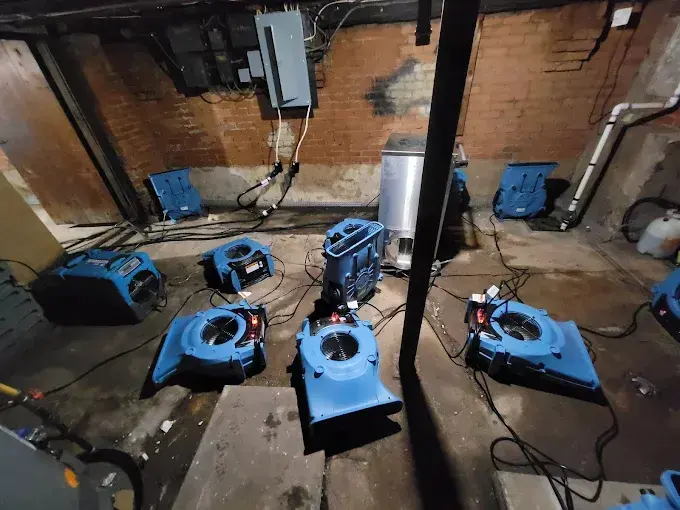
Structural Drying and Dehumidification
Air movers and dehumidifiers pull moisture out of framing, subfloors and walls until the readings match dry.
Structural Drying and Dehumidification details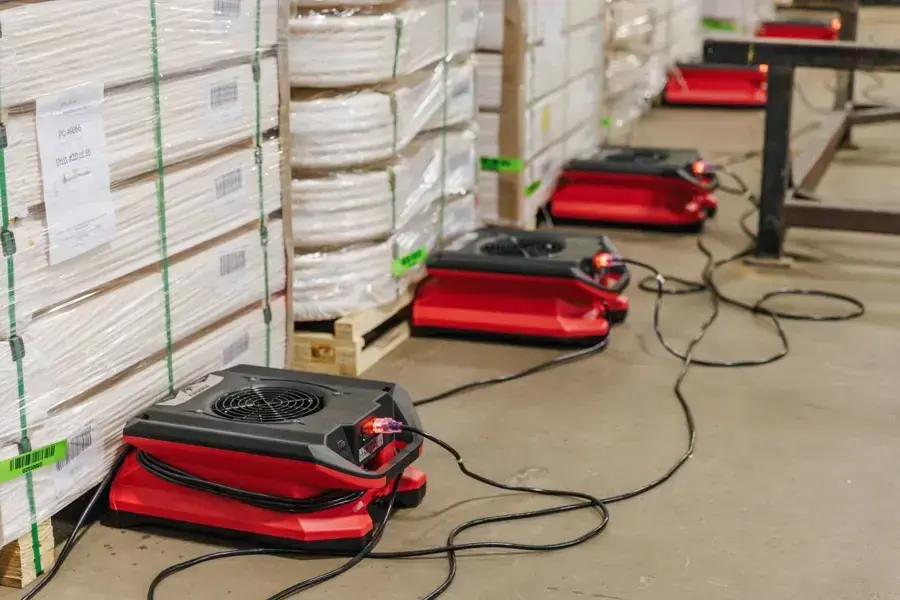
Commercial Water Damage
Shops, offices and larger buildings get phased drying plans that keep the business open.
Commercial Water Damage details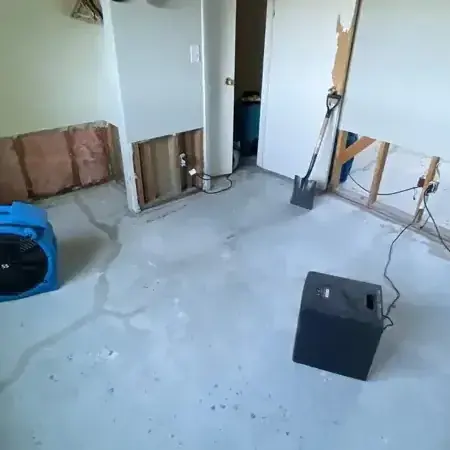
A crew that knows how Skagit Valley water behaves
Water in this part of the Skagit Valley can come from the river, a winter storm or a pipe in a utility room, and each source calls for a different plan. Crews read the cause first, then match the equipment to the damage in front of them.
Rapid local response
Crews work the Interstate 5 corridor and both state routes through town, so equipment reaches a wet house without detours.
Targeted removal
A thermal camera and pin meters show where water has traveled, which keeps removal limited to what is truly wet.
Claim-ready documentation
Dated photos, daily readings and an equipment log are kept for every job, so the adjuster sees what happened and when.
Local water know-how
River floods, storm season and frost on pipes are normal parts of the job here, so none is a surprise.
A drying standard written down and followed
Every job follows IICRC S500 practice: moisture is mapped, water is removed, equipment is placed with a plan and readings are logged until the structure is dry.
- 1
Moisture mapping first
Readings on floors, walls and ceilings mark where the wet area ends before any cutting starts.
- 2
Extraction
Pumps and wands pull the standing water and the soaked-in water from carpet and hard floors.
- 3
Opening and cleaning
Wet baseboards, pad and drywall are cut out, and surfaces are cleaned and treated where the water was dirty.
- 4
Readings until dry
Air movers and dehumidifiers run while daily readings are logged, and equipment leaves only when materials match the dry reference.
What water damage cleanup usually costs in local homes
Prices run from $1,200 for a small clean-water leak to $30,000 for a contaminated loss, and the room count, the time the water sat and the water category decide where a job lands.
Small clean-water leak
- One or two rooms
- Dried in place
- Readings logged daily
Several rooms or a floor
- Walls and floors opened
- Wet insulation removed
- Several days of drying
Sewage or flood water inside
- Category 3 water
- Porous materials removed
- Containment and antimicrobial
Rough numbers for a specific home come from the water damage cost calculator and the drying time estimator, which take room count and water type.
How the water type changes the work
Clean supply water
A split pipe or an overflowing sink sends clean water that dries well when caught early.
Burst pipe water damageGray appliance water
A washer or dishwasher that leaks for a while carries some contamination, so pad and soft finishes usually go.
Appliance leak water damageFloodwater and sewage
River water, street runoff and sewage count as Category 3, so containment, removal and treatment come first.
Sewage backup cleanupRecords an adjuster can follow
A claim is easier to handle when the paperwork follows the damage, so every job builds a record from the first photo.
- Photos of the source and every wet room before work starts
- A moisture map showing which materials were wet and where
- Daily readings that show the drying trend toward the target
- An equipment log with start and stop dates for each unit
- A written scope listing removed materials and drying results
Filing the claim as the owner
An owner who files directly can attach the photos, the moisture map and the drying log to the first report, then ask the adjuster which format the carrier wants for the repair estimate and the contents list.
Receipts for thrown-out items and for temporary housing also belong in the same folder, since the adjuster may ask for each one later.
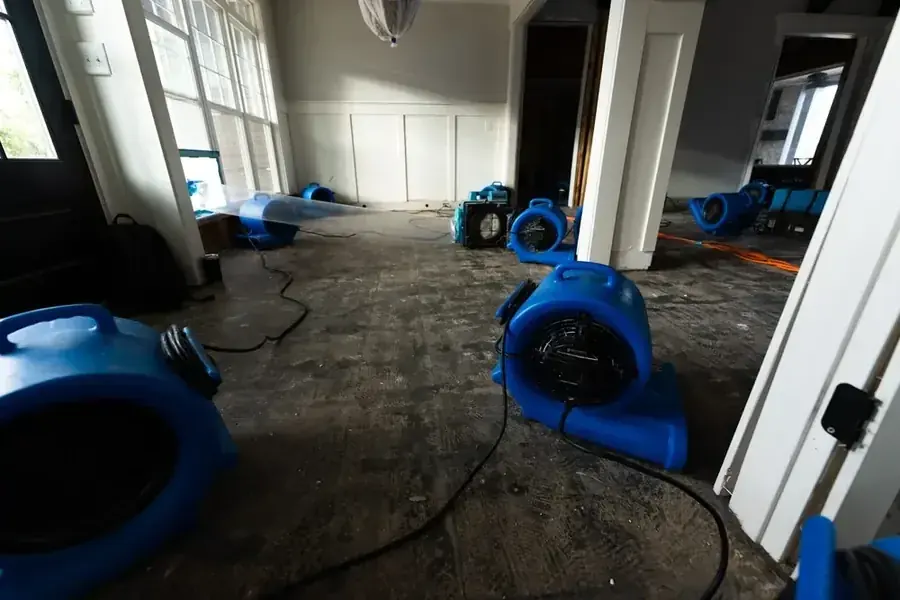
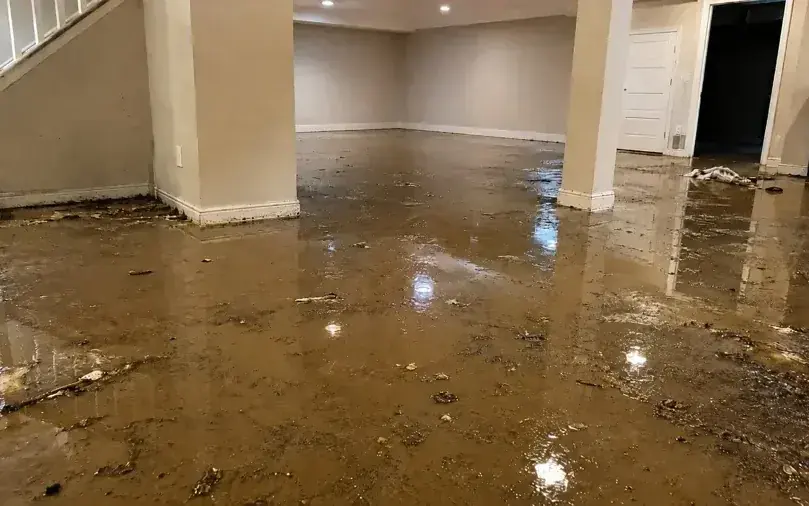
What drying and cleanup work looks like
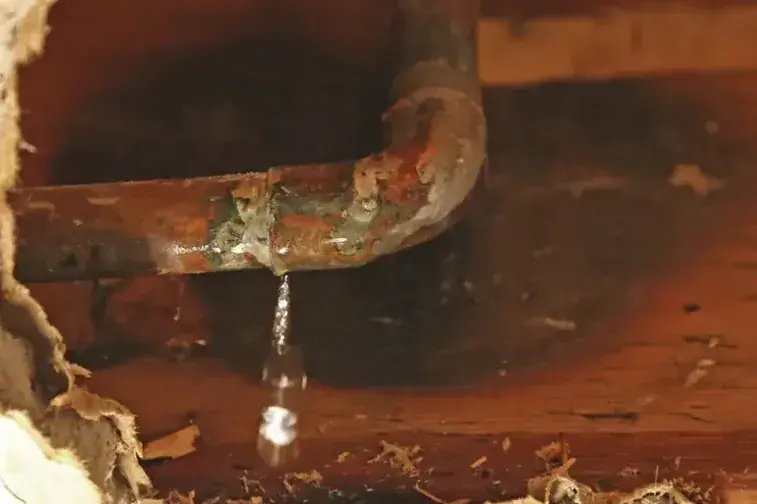

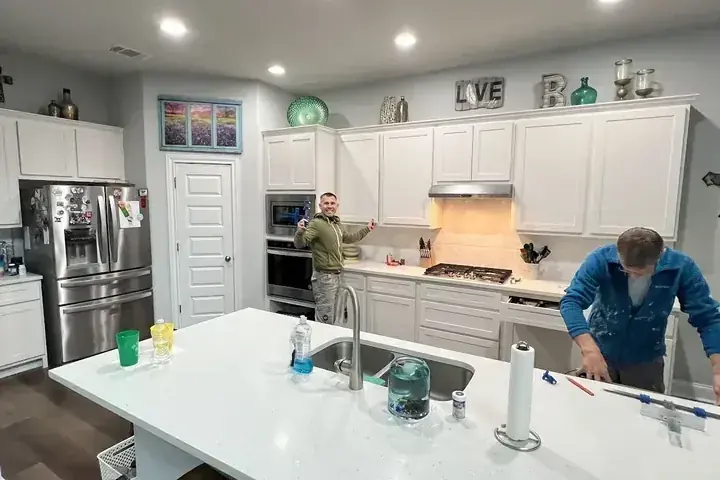
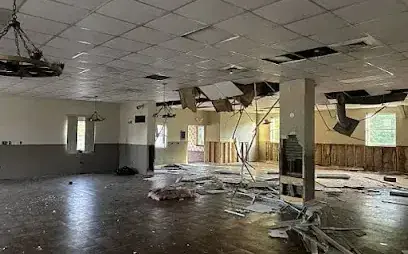
Where Mount Vernon crews work
Neighborhoods
ZIP codes
Nearby towns
What drives water damage along the Skagit River
The City of Mount Vernon says a significant portion of the city lies in the 100-year floodplain, and the Skagit River borders downtown. Severe storms are its most common natural disaster, with flooding second. Crews plan for river water and rain water alike.

December 2025. The Skagit River crested at a record 37.73 feet in Mount Vernon on December 12, 2025, and the downtown flood wall, completed in 2018, held. About 78,000 Skagit County residents were ordered to evacuate the Skagit River floodplain that month.
- Skagit River floods. Flooding displaced hundreds of people in 2003, and the river came just shy of its 1990 record in November 2021.
- The flood wall. The downtown flood wall, completed in 2018, guards the historic business district and the waterfront plaza, and rises a few feet higher than federal flood mapping suggested.
- Elevation paperwork. The city flood page links FEMA bulletins on flood openings in foundations and wet floodproofing, and the Development Services Department gives owners elevation certificates on request.
- Storm season. Atmospheric rivers supply close to half of western Washington precipitation from November to April, which keeps roofs, gutters and window seals under steady test.
- Cold snaps. The city's design criteria list a winter design temperature of 22 degrees Fahrenheit, and a January 2024 cold snap burst pipes across western Washington.
- Storm drains. The city's storm drains carry street rainwater to creeks, the Skagit River and Puget Sound, and the sanitary sewer is a separate system.
Water damage questions from local owners
Does the downtown flood wall prevent every kind of water damage?
No. The flood wall, completed in 2018, protects the historic business district and the waterfront plaza from the river, but roofs, pipes, appliances and drains can still leak inside any building.
What counts as contaminated water in a flood?
River floodwater and street runoff are Category 3, so wet pad, carpet and soft materials are removed rather than dried, and hard surfaces are cleaned and treated.
Why does the adjuster ask for a moisture log?
The log shows which materials were wet on the first day and how readings fell afterward, so the adjuster can match the scope to the damage. Daily readings also show when equipment can come out, which keeps drying time and cost tied to measurements instead of guesses.
What happens when a pipe bursts in a cold snap?
Water runs until the valve is closed, often inside a wall or the floor. Crews find the wet cavities, open them, extract the water and dry everything before the cold weather repair is closed up.
Who handles sewer backups here?
The city runs the sanitary sewer system, but cleanup inside the house, from containment to disinfecting, is a restoration job.
Do older homes on the hill dry differently than newer houses?
About 1,309 homes in the city date to 1939 or earlier, and those can have extra layers of flooring and finishes, so crews probe each one before deciding what to open.
How long does structural drying take?
Drying time depends on the materials, the water category and the equipment, so no honest number can be given before readings are taken. Crews log moisture every day and remove equipment only when wet materials match the dry reference.
Can wet carpet and pad be saved?
Clean water caught early often leaves carpet and pad salvageable if they are lifted and dried quickly. Floodwater or sewage ends that option, and the pad is removed.
Can storm damage wait until the rain stops?
Waiting lets insulation and drywall soak up more water. A tarp or board-up can stop new water quickly, and drying can begin while the weather is still bad.
Do renters and apartment residents handle water damage differently?
The drying steps are the same, but notice goes to the landlord or property manager first. Roughly 39.7 percent of occupied homes in the city are rented.
A wet house cannot wait long
Crews start the photos, the readings and the drying log on the first visit, so the damage is documented and the wet rooms are measured while the structure dries.
(888) 509-1696Ask for a Skagit Valley drying planArlington Water Damage Restoration
Arlington, WA · Snohomish County
(888) 509-1696 · nights and weekends too