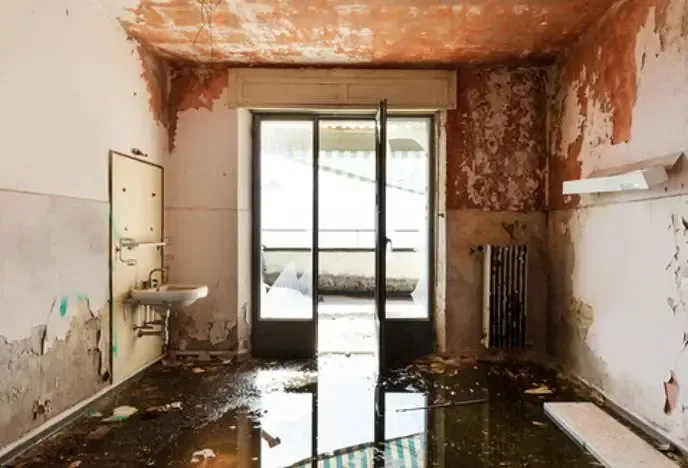
River flood water in a house is not the same problem as a leaking pipe or a bad roof. When the Stillaguamish comes over its banks, the water that reaches an Arlington home carries silt, runoff and sometimes sewage. That changes what gets removed, what gets cleaned and how the first day is spent. This post walks through that day, in order.
Key takeaways
- River flood water is treated as Category 3, so soaked carpet, pad and insulation come out instead of drying in place.
- The Stillaguamish crested at a record 21.34 feet at the Arlington gauge on December 5, 2023.
- Snohomish County Emergency Management says the Stillaguamish valley floods every 3 to 5 years, so a plan is worth making before the next flood.
- Photograph the high water mark and the damaged contents before anything is moved or thrown out.
- Pumping comes first, then removal of wet materials, then drying until moisture readings match the dry parts of the house.
Why river water is not treated like a leak
Rain through a roof starts clean and gathers dirt as it crosses insulation and drywall. River water arrives dirty.
It has already crossed fields, ditches, driveways and yards before it reaches a door.
Restoration crews place that water in Category 3, the most contaminated class. The label drives nearly every decision that follows.
What flood water carries
Silt, mud and runoff ride in with the river. Fuel, oil and garden chemicals from garages and sheds can come along, and so can bacteria from overwhelmed septic systems and sewers.
- Fine silt that settles into carpet, pad and the bottom of wall cavities
- Bacteria that make porous materials unsafe to keep
- Oil and chemical residue washed in from driveways and garages
What Category 3 means for materials
Porous materials that soaked up the water are removed, not dried. That covers carpet, pad, insulation and the lower part of drywall.
Hard materials such as concrete, tile and framing lumber are cleaned, treated and then dried.
The Stillaguamish record and what it means for homes here
The North and South Forks of the Stillaguamish River meet at Arlington. On December 5, 2023 the river crested at a record 21.34 feet at the Arlington gauge, and water covered the Twin Rivers Park fields while SR 530 was closed for hours.
In December 2025, atmospheric river storms pushed the Stillaguamish and every major Snohomish County river to major flood stage again.
Snohomish County Emergency Management says the valley floods every 3 to 5 years. For a homeowner, that makes a flood plan part of owning a house here, not a once in a lifetime event.
Flood water is not always the river alone. Heavy rain on saturated ground can also send runoff toward doors while the river is still inside its banks.
- December 5, 2023: a record crest of 21.34 feet at the gauge
- December 2025: major flood stage on the Stillaguamish again
- Every 3 to 5 years: how often the county says the valley floods
The first steps inside the house
Safety comes before cleanup. The first moves are about power, footing and records.
Before going back in
Electricity and water are a dangerous mix. If the panel is dry and easy to reach, turn off power to the flooded area.
If it is not, leave it alone and stay out of the water.
- Do not enter while the water is still rising or the floor feels soft
- Wear boots, gloves and a mask that covers nose and mouth
- Keep kids and pets out of every wet room
- Close off the area so silt is not tracked into dry rooms
What to photograph
Take photos before anything is moved. Capture the high water mark on each wall, every flooded room and every damaged item.
- The high water mark on walls and cabinets
- Appliances and furniture that sat in the water
- The garage, the shed and the crawl space access
What to leave alone
A few common habits make flood cleanup harder. Skip them until the team has looked at the damage.
- Do not use a household vacuum on wet carpet
- Do not wash flooded laundry or dishes in the house
- Do not stack wet items on dry floors
Sorting the first day into three jobs
A flooded house can feel like a hundred problems at once. The first day boils down to three jobs, done in this order.
Anything that is not one of those jobs can wait until the next day. Sorting the work this way keeps a stressful day manageable.
- Safety: power, footing, protective gear and a clear path out of the house
- Records: photos, a list of damaged items and the high water mark on each wall
- Water: pumping, removal of wet materials and the start of drying
What comes out of the house first
Standing water goes first. Truck mounted and portable pumps pull it from floors, garages and crawl spaces, which is the work of water extraction.
Water that sits keeps moving into walls, framing and subfloor, so pumping comes before demolition.
Next, the team removes what cannot be cleaned. River and flood water cleanup means pulling carpet and pad, wet insulation, flooring and the lower part of wet walls.
Crews cut drywall above the high water mark so the cavity can open up, then treat the exposed surfaces with an antimicrobial product.
- Carpet, pad and flooring that held the water
- Wet insulation in walls and under the floor
- Drywall cut above the high water mark
- Cabinet toe kicks and baseboards
- Vapor barrier in a flooded crawl space
Crawl spaces, garages and sewage
Many local homes sit on vented crawl spaces, and water can sit there long after the floor above looks dry. A crawl space water cleanup pumps the space out, removes wet insulation and vapor barrier, and dries the joists.
Garages are different. Concrete can be cleaned and dried, but stored boxes, drywall and anything porous that touched the water usually has to go.
Sewage is a separate concern. If a toilet or floor drain backed up during the flood, sewage backup cleanup rules apply to that part of the house.
Drying and deciding what to keep
How drying works
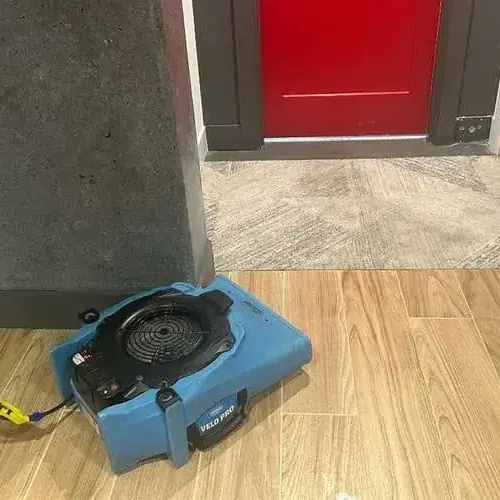
Once the water and wet materials are gone, air movers and dehumidifiers run while the team takes moisture readings each day. The goal is wood, drywall and subfloor that read the same as the dry areas of the house.
Structural drying ends when the readings say so, not when the calendar does.
What can be saved
Hard, nonporous items can be cleaned and kept. Porous items that touched river water are rarely worth the risk.
- Usually kept: metal tools, glass, hard plastic and sealed ceramic
- Usually discarded: mattresses, upholstered furniture, carpet and stuffed toys
- Decided case by case: wood furniture, books, papers and electronics
Questions
Can river flood water be dried in place?
Not when it soaked porous materials. River water is Category 3, so carpet, pad and insulation that held it are removed. Hard surfaces and framing are cleaned and then dried.
Is it safe to stay in a house after river flooding?
Wet rooms should stay closed off until contaminated materials are out. Anyone with a wet electrical panel or a flooded crawl space should stay away from those areas.
What should be photographed before cleanup starts?
The high water mark on every wall, each flooded room, damaged contents and appliances, and the garage and crawl space access.
How often does the Stillaguamish flood?
Snohomish County Emergency Management says the valley floods every 3 to 5 years. The river crested at a record 21.34 feet on December 5, 2023, and major flood stage returned in December 2025.
Does a crawl space need work if the floor looks dry?
Often yes. Water can sit under the floor after the rooms above look fine, so the space is checked, pumped if needed and dried.
What happens to the carpet after river water?
It is removed. Carpet and pad act like sponges for contaminated water, and cleaning them does not make them safe again.