Storm and Wind-Driven Rain Damage in Lynnwood, WA
Heavy rain driven sideways finds gaps at windows, doors and siding, and the water that gets inside lingers in wall cavities. In Lynnwood, runoff drains through eighteen basins, so storms test the whole system.
(888) 509-1696Dry the walls after a storm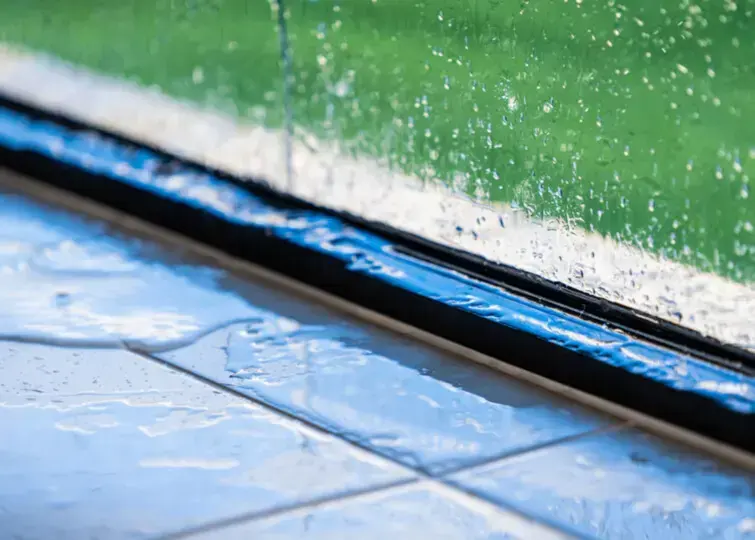 Lynnwood, WA
The storm and wind-driven rain damage process, step by step
Meters and a thermal camera come out before the fans do, so the plan follows the water instead of guesses. The drying team pulls equipment only when the readings match a dry reference.
- 1
Seal and survey
A temporary cover goes on any opening, then meters map the wet walls and floors.
- 2
Extract and open
Standing water is removed, baseboards come off and wet cavities are vented.
- 3
Dry the structure
Air movers and dehumidifiers run through the opened cavities.
- 4
Log and verify
Daily readings continue until materials match a dry reference.
The city drains through eighteen identified basins, most of them toward Swamp Creek or through Lund's Gulch to Puget Sound, and roofs and parking lots send runoff into the creeks faster than open ground does. When a storm overloads that system or drives rain sideways, water finds the building too.
What does storm and wind-driven rain damage cost in Lynnwood, WA?
Storm damage jobs run from $1,500 when one wall is caught early to $9,000 when a window or roof breach lets several rooms soak.
A single wet wall
- Baseboards removed
- Cavity dried
- Readings logged
Several walls soaked
- Insulation replaced
- Lower drywall cut
- Carpet dried in place
A breached window or roof
- Board-up or tarp
- Rooms below dried
- Longer drying
Four things move these numbers most: the water category, the square footage, the class of materials and how many hours passed before drying began. The water damage cost calculator narrows the range for your own loss.
How wind-driven rain gets in
Rain pushed by wind can force water under window trim, past door thresholds and behind siding, where it runs down into wall cavities and soaks insulation the owner never sees. The same wall can stay damp long after the rain stops, because insulation holds water against the drywall.
- Window and door frames are checked for water tracks and swollen trim.
- Baseboards come off so wall bottoms can be metered.
- Wet insulation is pulled from cavities that stay damp.
- Carpet near exterior walls is lifted and checked for wicking.
When a window or roof is breached
A broken window or a section of missing roof lets storm water pour in, so a board-up or tarp stops the entry before drying begins. A temporary cover is not a permanent repair, but it keeps the next squall out.
- A board-up or tarp goes on first to stop more water.
- Water on floors is extracted and ceilings are checked.
- Photos of the opening and the debris support the claim.
- Gutters and downspouts are checked when water ran down the siding.
Drying and records
Cavity drying follows the same readings as structural drying, and the notes show which water came from rain at a wall and which from a roof, as covered in roof leak water damage.
Storm and wind-driven rain damage here and in nearby towns
Crews cover storm damage across ZIP codes 98036 and 98037, including Alderwood, Alderwood Manor, Cedar Valley and the Highway 99 corridor, wherever rain has been forced into a building.
The same service nearby: storm and wind-driven rain damage in Arlington, Mill Creek, Mukilteo.
Related water damage services in Lynnwood
Storm and Wind-Driven Rain Damage: common questions
Does insurance cover wind-driven rain damage?
Often when a storm opens the building, such as a broken window or damaged roof, though rain through a worn seal may count as maintenance. Keep photos.
How can water be inside walls with no stain?
Insulation soaks first and drywall can stay clean for some time, so meters and a thermal camera find the moisture.
How does runoff behave in heavy rain here?
Roofs, parking lots and other hard surfaces send water into the creeks faster, and the city drains through eighteen identified basins.
Can a board-up count as a repair?
No. A board-up or tarp only holds the opening until a permanent repair is made.
Will baseboards be removed?
Usually, so the wall bottoms can be metered and vented, and they can often be reinstalled after drying.
What if the carpet only feels damp?
Damp carpet near an exterior wall can mean water wicking from the wall, so meters decide whether it is dried or removed.
Wet walls keep holding moisture
Dispatch gathers the details, then crews bring meters, board-up materials and drying equipment.
(888) 509-1696Plan the storm dry-outArlington Water Damage Restoration
Arlington, WA · Snohomish County
(888) 509-1696 · nights and weekends too