Flood Water Cleanup in Mount Vernon
Mount Vernon sits on the Skagit River, which crested at a record 37.73 feet on December 12, 2025, and cleanup after river water means pumping, flood cuts, debris removal and long, careful drying.
(888) 509-1696Request a flood cut assessment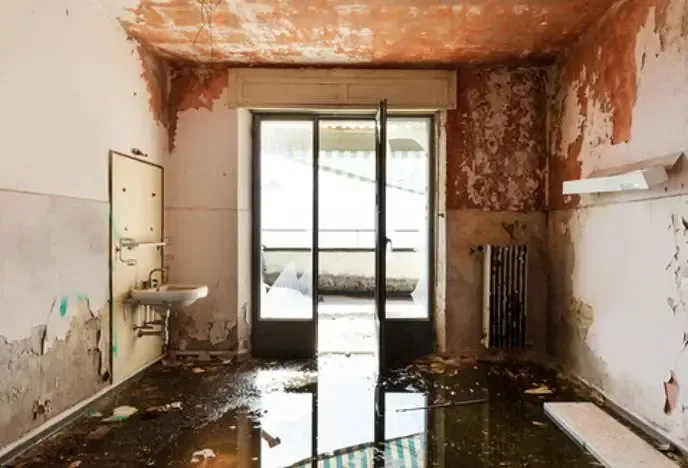 Mount Vernon, WA
The river and flood water cleanup process, step by step
Meters and a thermal camera come out before the fans do, so the plan follows the water instead of guesses. The drying team pulls equipment only when the readings match a dry reference.
- 1
Secure and survey
Hazards are checked, photos taken and the waterline marked on each wall.
- 2
Pump and clear
Floodwater and silt come out of the house, and debris is hauled away.
- 3
Cut, clean, treat
Wet drywall and flooring are removed, surfaces are cleaned and antimicrobial is applied.
- 4
Dry until verified
Dehumidifiers and air movers run with daily logs until materials read dry.
River floodwater carries silt, sewage and runoff, so it is never treated like a clean leak. In Mount Vernon, where a significant portion of the city lies in the 100-year floodplain, cleanup starts with safety and removal long before drying begins.
What does river and flood water cleanup cost in Mount Vernon, WA?
River flooding is priced by how high the water got and how long it stood: from $4,000 for a garage and under-floor area, up to $60,000 when the whole house sat in water for days.
Garage and under-floor area
- Pumping and debris removal
- Insulation pulled out
- Garage drywall cut
Water across the main floor
- Flood cuts in each room
- Flooring and cabinets out
- HEPA air scrubbers
Whole house, standing for days
- Full interior removal
- Extended drying
- Documentation for the adjuster
Four things move these numbers most: the water category, the square footage, the class of materials and how many hours passed before drying began. The water damage cost calculator narrows the range for your own loss.
Recent river history in the valley
December 2025 brought a record crest of 37.73 feet in town, and about 78,000 county residents were ordered out of the river floodplain. The flood wall held downtown. Earlier, the river fell just shy of its 1990 record in November 2021, and the 2003 flooding displaced hundreds of people. A levee system along the river dates to the major floods of 1892 and 1894.
- Pumping starts once it is safe to enter, with electrical hazards checked first.
- Mud, silt and debris are shoveled and hauled out before cutting.
- Flood cuts are made above the water line so wet insulation can come out.
Why contaminated water changes the plan
Floodwater is Category 3, so carpet, pad, insulation and soft materials that touched it are removed rather than dried. Hard surfaces are cleaned, treated with antimicrobial and checked, and HEPA air scrubbers handle dust while demolition is under way. Sewage may be mixed in when drains back up during a flood, which adds the disinfection steps described under sewage backup cleanup.
- Carpet, pad and insulation that touched floodwater are bagged and hauled away.
- Drywall is cut above the wet line so the cavity can dry.
- Cabinets and flooring are lifted out when the water reached them.
Drying a flooded structure
After removal, framing and subfloors still hold water, so dehumidifiers and air movers run for an extended period, as described under structural drying. Readings are logged daily, and the structure is released for repair only when wet materials match the dry reference.
River and flood water cleanup here and in nearby towns
Crews work streets near the Skagit River and the Kulshan Creek neighborhood, downtown and the waterfront, the hill and Eaglemont, across ZIP codes 98273 and 98274, along Interstate 5 and State Route 538.
The same service nearby: river and flood water cleanup in Arlington, Lake Stevens, Mukilteo.
Related water damage services in Mount Vernon
River and Flood Water Cleanup: common questions
Does the flood wall mean downtown never needs flood cleanup?
The wall, completed in 2018, protects the historic business district and waterfront plaza from the river, but not against roof leaks, backed-up drains or burst pipes.
Is floodwater always Category 3?
Floodwater from rivers and storm runoff is treated as Category 3 because it carries soil, waste and bacteria, so porous materials are removed.
Can a flooded house be dried without tearing anything out?
Hard surfaces and framing can be dried, but pad, carpet, insulation and drywall that touched floodwater are removed. Readings and the water level set the exact cuts.
What paperwork helps after a flood?
Dated photos, readings, a removed-materials list and the equipment log help the adjuster. The Development Services Department also gives owners elevation certificates on request.
How long does a flooded house stay wet?
It depends on how long the water stood, the materials and the equipment, so no fixed number is promised. Daily readings show the real progress.
Can cleanup begin while the river is still high?
Pumping waits until the water outside drops, since pumping too soon can stress walls and floors. Other work starts once the house is safe.
Clear the flood from the structure
Crews start with safety checks, pumping and removal, then dry the structure and keep the records an adjuster needs.
(888) 509-1696Request a flood assessmentArlington Water Damage Restoration
Arlington, WA · Snohomish County
(888) 509-1696 · nights and weekends too