Commercial Water Damage in Mount Vernon
Mount Vernon has downtown storefronts, Skagit Valley Hospital, Skagit Valley College and county government offices, and each kind of building needs a different drying plan after a leak or flood.
(888) 509-1696Protect the space and the stock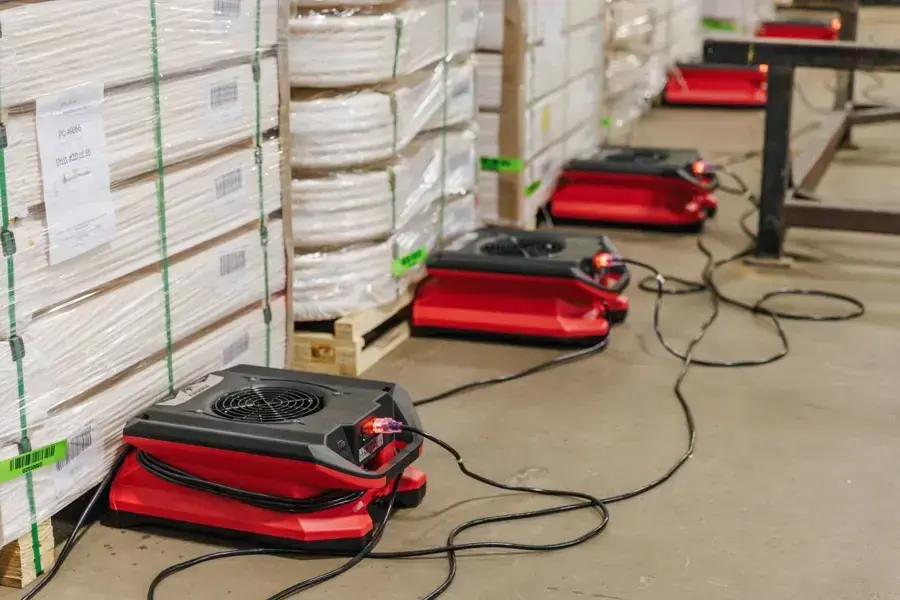 Mount Vernon, WA
The commercial water damage process, step by step
Meters and a thermal camera come out before the fans do, so the plan follows the water instead of guesses. The drying team pulls equipment only when the readings match a dry reference.
- 1
Survey and plan
The area is mapped and photographed, and the drying order is set.
- 2
Extract and contain
Standing water is removed and wet zones are sealed off.
- 3
Dry phase by phase
Equipment moves from area to area as readings reach target.
- 4
Report to the owner
Photos, readings and logs go to the owner.
A leak in a shop or office disrupts income as well as walls and floors, so the plan weighs how fast the space can reopen against how thoroughly it must dry. In Mount Vernon, commercial space ranges from downtown storefronts to large institutional campuses.
What does commercial water damage cost in Mount Vernon, WA?
A single suite or shop can run $3,000 to $10,000, several suites or a large floor reach $25,000, and a warehouse or Category 3 loss can climb to $40,000.
One suite or shop
- Extraction
- Dried in place
- Daily logs
Several suites or a large floor
- Phased drying
- Flooring removed
- Large dehumidifiers
Warehouse or Category 3
- Containment
- Antimicrobial treatment
- Inventory protection
Four things move these numbers most: the water category, the square footage, the class of materials and how many hours passed before drying began. The water damage cost calculator narrows the range for your own loss.
Planning around a working business
Commercial drying is phased so that unaffected suites stay open while wet ones are contained and dried. Crews map moisture across the floor, set containment where needed and place large dehumidifiers and air movers to protect inventory, shelving and finishes.
- Containment keeps dust and moisture out of open suites.
- Inventory is lifted or moved before extraction begins.
- Flooring and ceiling tiles are removed where drying cannot save them.
Downtown and institutional buildings
Downtown storefronts near the riverside shopping district sit inside the flood wall, which protects the historic business district and waterfront plaza from the river, not from a leaking roof or pipe, and river flooding itself falls under flood water cleanup. Skagit Valley Hospital, Skagit Valley College and county government offices are major institutions here, and any large building needs a drying plan that fits its layout.
- Retail and office suites are dried floor by floor.
- Large open floors use bigger dehumidifiers and more air movers.
- Warehouses get stock moved or covered before the floor is dried.
Insurance and documentation
Business owners often deal with the property insurer and sometimes a landlord, so daily logs, photos and an equipment record matter more here than in a house. Contaminated losses follow sewage backup cleanup rules, with containment first.
Commercial water damage here and in nearby towns
Commercial calls cover ZIP codes 98273 and 98274, from downtown and the Skagit Station area, reached along Cleveland Avenue and Freeway Drive, with access from Interstate 5 and State Route 536.
The same service nearby: commercial water damage in Arlington, Lake Stevens, Mukilteo.
Related water damage services in Mount Vernon
Commercial Water Damage: common questions
Can a business stay open during water damage drying?
Often partly. Containment and phased drying keep unaffected suites open, though wet areas and the equipment may close part of the space.
Does the downtown flood wall protect stores from interior leaks?
No. It protects the historic business district and waterfront plaza from the river, not from roof, pipe or sprinkler leaks inside a building.
How is inventory protected?
Stock is lifted, moved or covered before extraction, and dehumidifiers dry the air to limit damage to cartons, paper and electronics.
What does the insurer usually want to see?
Dated photos, moisture maps, daily logs, an equipment record and an inventory of damaged items, all kept in one file.
Is sewage or floodwater in a business handled differently?
Yes. It is Category 3, so the area is contained, porous materials are removed and surfaces are treated before drying starts.
Reopen with dry floors
Crews extract the water, contain the wet area and dry in phases, with daily logs for the owner and the insurer.
(888) 509-1696Request commercial dryingArlington Water Damage Restoration
Arlington, WA · Snohomish County
(888) 509-1696 · nights and weekends too